Deep Learning Energy Models Explained
Introduction to Deep Learning
The Brain as a Blueprint
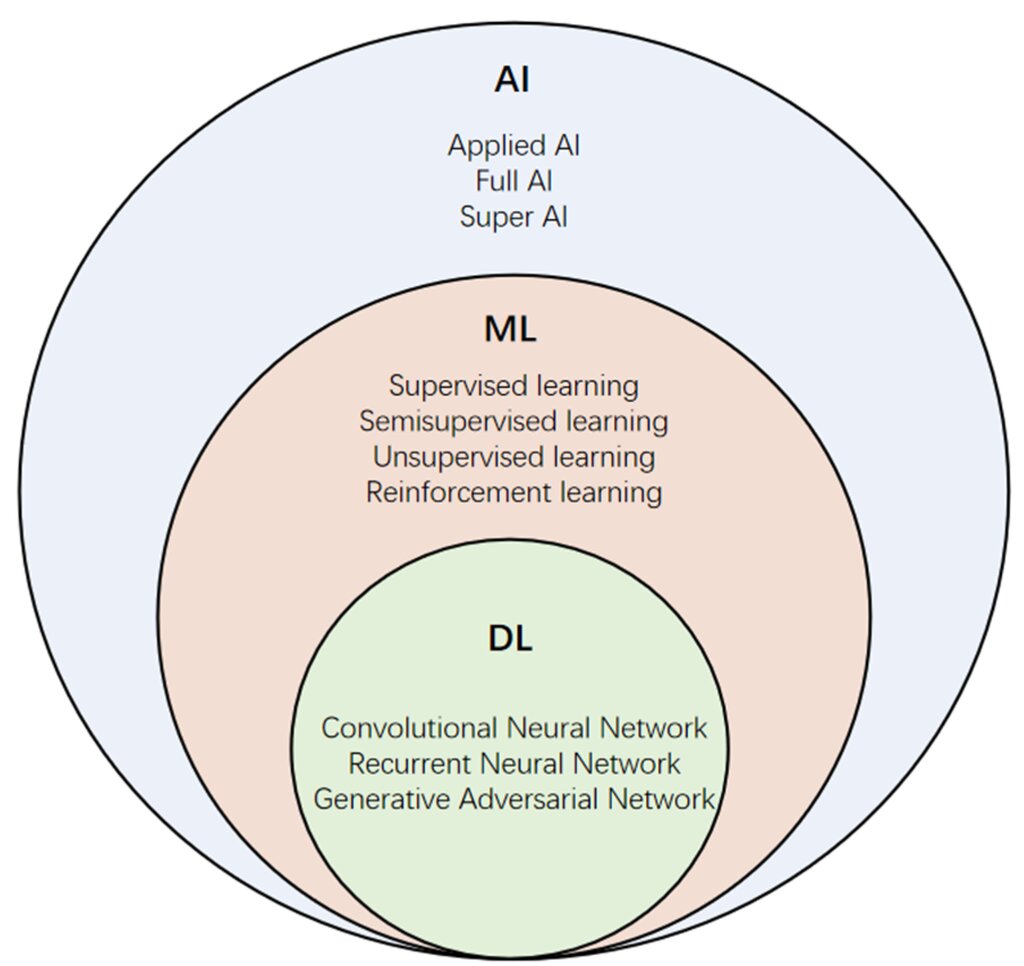
Deep learning is a type of machine learning that teaches computers to learn by example, much like we do. At its core, deep learning uses a structure inspired by the human brain called an artificial neural network. It’s what allows a program to recognize your face in a photo or understand your voice commands.
While machine learning can make predictions based on data, deep learning goes a step further. It uses multiple layers of these networks to build a more complex and nuanced understanding. This layered approach is why it's called "deep."
Neurons and Layers
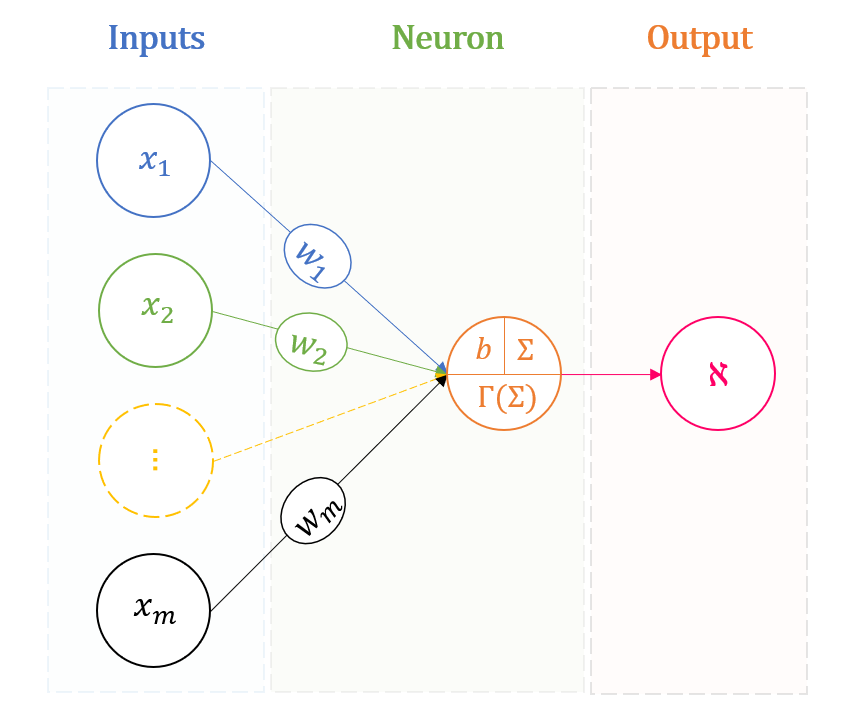
The fundamental building block of a neural network is the neuron, also known as a perceptron. A single neuron is a simple computing unit. It receives one or more inputs, processes them, and produces an output.
Each input is assigned a weight, which signifies its importance. Think of it like a friend giving you advice: you might trust one friend’s opinion on movies more than another's. The neuron sums up all these weighted inputs and adds a value called a bias. The bias acts like a baseline threshold for the neuron to activate.
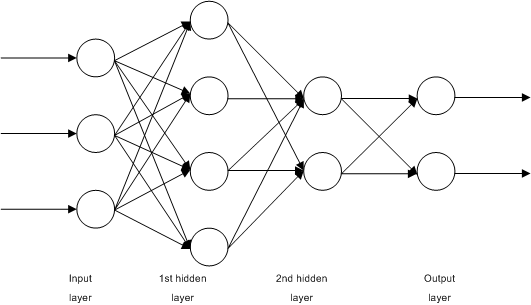
Individual neurons don't do much on their own. Their power comes from being organized into layers. A simple neural network has at least three types of layers:
- Input Layer: Receives the initial data, like the pixels of an image or the words in a sentence.
- Hidden Layer(s): These are the layers between the input and output. The neurons in these layers perform computations and pass information to the next layer. A network is considered "deep" if it has more than one hidden layer.
- Output Layer: Produces the final result, such as a prediction or classification.
The Neuron's Switch
After a neuron sums up its weighted inputs and bias, it doesn't just pass that number along. It runs the result through an activation function. This function acts like a gatekeeper or a dimmer switch, deciding what signal, if any, the neuron should send to the next layer.
An activation function introduces non-linearity to the network, allowing it to learn complex patterns that a simple straight-line relationship couldn't capture.
For example, a simple activation function might just decide if the neuron's output is above a certain threshold, firing (outputting 1) if it is and staying silent (outputting 0) if it isn't. More complex functions provide a graded output, indicating the neuron's confidence in its signal. This capability is crucial for learning the intricate details in data, like the subtle curve of a smile or the specific tone of a word.
How a Network Learns
A neural network starts out with random weights and biases, meaning its initial predictions are complete guesses. The process of turning these guesses into accurate predictions is called training. It involves a cycle of guessing, checking, and correcting.
The training process generally follows these steps:
-
Forward Propagation: The network takes an input (like an image of a cat) and passes it through the layers to make a prediction. This is the forward flow of information.
-
Calculate Loss: The prediction is compared to the actual label ('cat'). A loss function measures how wrong the prediction was. A high loss means a bad guess; a low loss means a good guess.
-
Backpropagation: This is the clever part. The network calculates how much each weight and bias contributed to the error. It then works backward from the output layer to the input layer, adjusting each weight and bias slightly to reduce the error. It's like a team debriefing after a mistake, where everyone figures out their role in the error and how to fix it for next time.
-
Repeat: This cycle of forward pass, loss calculation, and backpropagation is repeated thousands or even millions of times with lots of data. With each cycle, the network's weights get a little bit better, and its predictions become more accurate.
Backpropagation is the algorithm that allows the network to learn from its mistakes by systematically adjusting its internal parameters.
This iterative adjustment process, often called gradient descent, is how the network gradually descends from a state of high error to one of minimum error, effectively learning the patterns in the data.
What makes a neural network "deep"?
In a single neuron, what is the role of the bias?
By understanding these core components—neurons, layers, activation functions, and the training loop—you have the foundation for how deep learning models work.