Deep Dive into the Human Petitions of the Lord's Prayer
Human Dependent Petitions
The Great Pivot
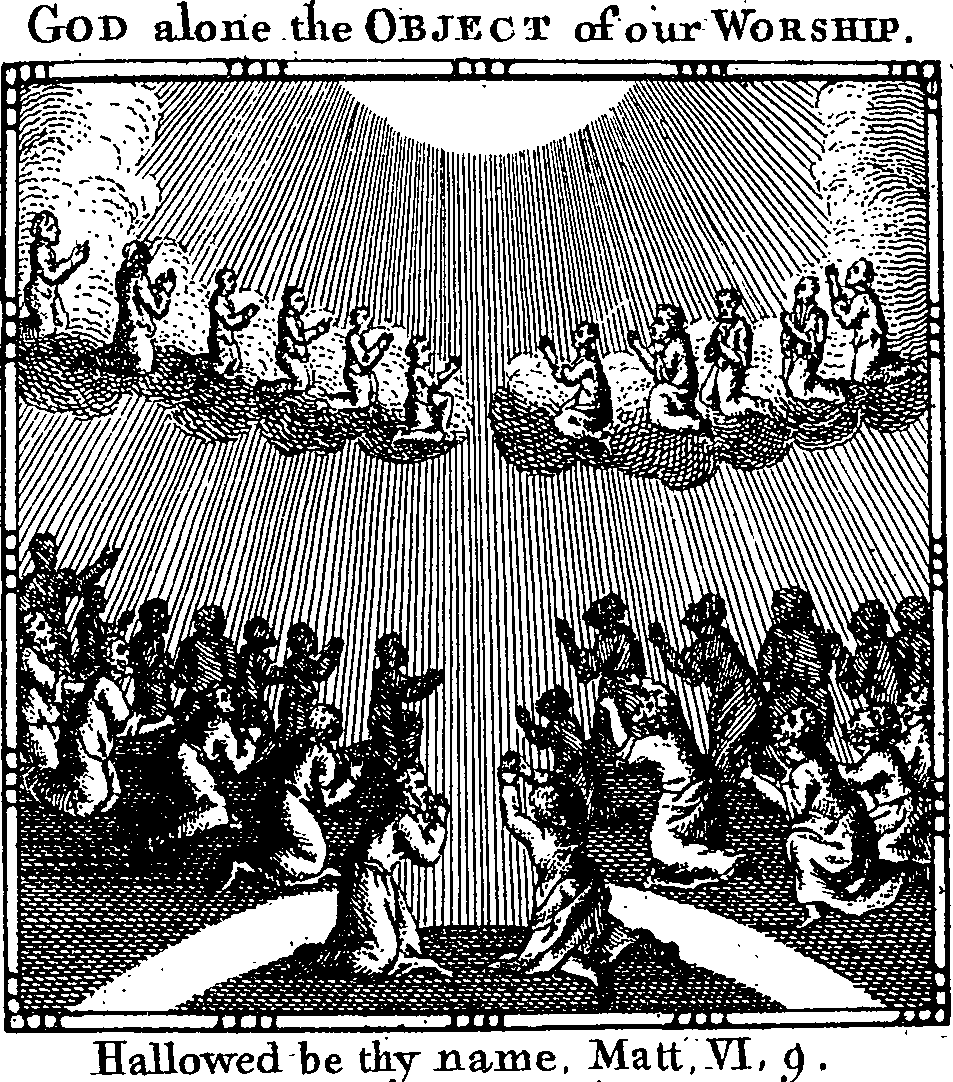
The Lord's Prayer is a journey in two parts. After establishing God's holiness, sovereignty, and will in the first three petitions, the prayer makes a distinct turn. It pivots from the divine to the human, from worship to need. This isn't an abrupt shift, but a logical and theological progression. Only after we orient ourselves toward God can we properly understand our own needs.
This structure teaches that recognizing God's supreme importance is the foundation for everything else. By first praying for His name to be honored, His kingdom to come, and His will to be done, we place ourselves in the right posture. We acknowledge the Creator before we, the created, bring our requests. This act of worship reframes our petitions. They cease to be a list of demands and become an expression of trust and dependence on a sovereign and loving Father.
Our Daily Needs
The second half of the prayer begins with a change in pronouns from "Your" to "Our" and "Us." This shift signals a move to our shared human condition. The prayer now addresses our fundamental needs: physical sustenance, relational healing, and spiritual protection.
The prayer addresses the whole of human existence: our physical bodies, our souls, and our spirits. It recognizes that we are dependent beings in every aspect of our lives.
The four petitions in this section are tightly connected. They cover the essentials for human flourishing in a broken world:
- "Give us this day our ": Acknowledges our dependence on God for physical provision.
- "And forgive us our debts, as we also have forgiven our debtors": Addresses our need for relational and spiritual restoration.
- "And lead us not into temptation": Seeks guidance and protection from spiritual trials.
- "But deliver us from evil": A plea for ultimate rescue from the forces that oppose God.
Jesus' prayer has a deliberate design: three "Your …" petitions (Name, Kingdom, Will) followed by four "Our/Us …" petitions (Bread, Forgive, Lead Not, Deliver).
From Awe to Humility
The structure of the Lord's Prayer models a profound spiritual reality: true worship leads to a clear-eyed view of our own frailty. When we start by focusing on the infinite holiness and power of God, our own limitations and needs come into sharp focus. It’s a movement from awe to humility.
This framework is consistent with the rest of the , where Jesus teaches about God's character before explaining how humans ought to live. By placing God first, the prayer grounds our requests in the reality of His goodness and power. We ask for bread, forgiveness, and protection not from a distant, unwilling deity, but from the same Father whose name we want to see hallowed and whose kingdom we long for.
What is the primary structural shift that occurs in the middle of the Lord's Prayer?
According to the theological framework presented, what is the significance of placing petitions about God's name, kingdom, and will before asking for daily bread?