Deep Dive into Dog Man For Whom the Ball Rolls
Thematic Transitions
A Title with Weight
At first glance, the title For Whom the Ball Rolls seems like a simple, clever pun. But Dav Pilkey's choice to parody Ernest Hemingway's classic novel, For Whom the Bell Tolls, signals a shift in the series. It’s a playful nod that also hints at the surprisingly heavy themes the book tackles. Hemingway's story is about war, sacrifice, and facing overwhelming odds. By referencing it, Pilkey primes the reader for something more than just gags and action scenes.
This isn't a direct retelling of Hemingway, of course. Instead, Pilkey borrows the weight of a serious literary work to explore his own complex ideas within the graphic novel format. The title acts as a wink to older readers and an indication that this installment aims for a new level of emotional depth, moving beyond the established formula of the earlier books.
From Fixation to Fear
The central conflict of the book is internal. We see Dog Man's defining trait—his uncontrollable love for balls—transformed into a debilitating phobia. This psychological shift is the engine of the narrative and marks a turning point for his character. The change isn't random; it's the direct result of good intentions gone wrong.
Li'l Petey, in an attempt to help his hero, initiates a form of 'behavioral modification therapy.' The goal is to curb Dog Man's obsessive ball-chasing. However, the method backfires spectacularly. Instead of teaching self-control, it instills a deep-seated fear. Dog Man is no longer distracted by balls, but he's also paralyzed by them, rendering him ineffective as a hero.
The therapy succeeds in changing the behavior, but it breaks the spirit. Dog Man is 'fixed,' but at the cost of his confidence and joy.
Being Good vs. Doing Good
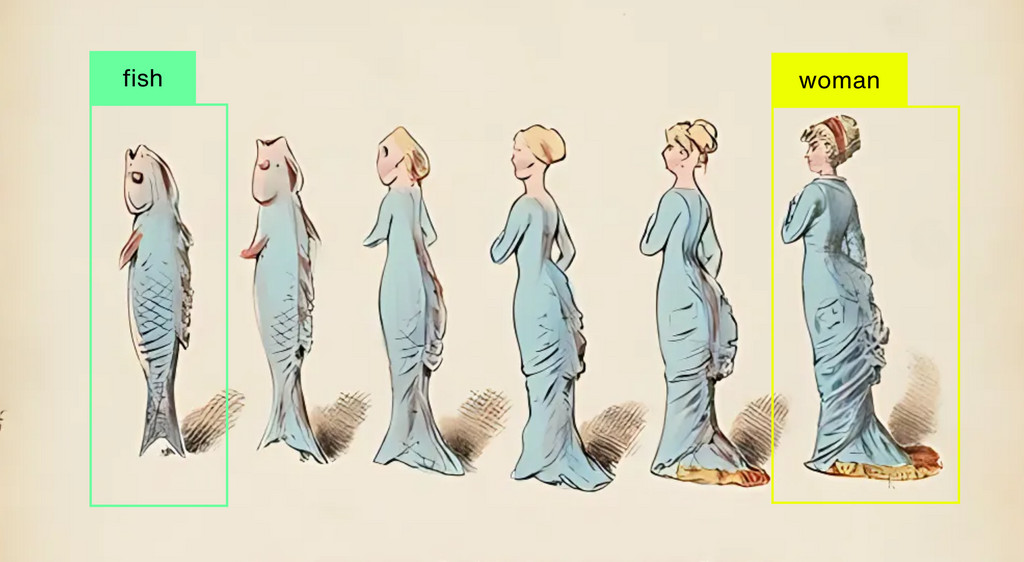
This failed experiment in behavioral therapy brings up the story's most important theme: the difference between being good and doing good. Before the therapy, Dog Man’s obsession was a flaw, but his impulse was always to do good. After, he is forced to be good by suppressing his natural instincts, but he can no longer do good when it counts.
The story argues that true goodness isn't about perfect behavior or following a set of rules. It’s about empathy, trying your best, and getting back up after you fail. Li'l Petey and the gang learn that helping someone isn't about erasing their flaws but about supporting them. Persistence and understanding prove more powerful than any quick-fix therapy. It's through this messy, emotional journey that Dog Man finds a more mature way to be a hero, not by eliminating his quirks, but by learning to manage them.
Character arcs are essential for storytelling because they: Create dynamic and engaging charactersDrive the plot forwardEvoke emotional responses from readersHighlight the story’s central theme or message
Let's review the key thematic shifts in the book.
What is the primary significance of the title For Whom the Ball Rolls referencing Ernest Hemingway's For Whom the Bell Tolls?
What is the central internal conflict Dog Man experiences in the story?
With For Whom the Ball Rolls, the Dog Man series proves it can tackle complex psychological and moral questions while still being fun and accessible.