Deconstructing the Socratic Trial
Asebeia and Legalisms
The Mechanics of the Indictment
The trial of Socrates wasn't a spontaneous outburst of religious fervor. It was a calculated legal action rooted in the specific political anxieties of post-restoration Athens. The formal charge, or graphē asebeias, was a public indictment for impiety, a tool available to any citizen. Meletus, Anytus, and Lycon leveraged this procedure not just as a theological complaint, but as a political weapon.
| Charge Component | Greek Term | Legal Implication |
|---|---|---|
| Impiety / Not recognizing the city's gods | Asebeia (ἀσέβεια) | This was less about personal belief and more about public participation. Failing to honor the gods of the polis was seen as undermining the social and cosmic order that protected Athens. |
| Introducing new divine matters | Kaina daimonia (καινὰ δαιμόνια) | This was the legally potent part of the charge. It targeted Socrates' 'daimonion,' his private divine sign, framing it as an unsanctioned, and therefore destabilizing, religious innovation. |
The wording was crucial. The charge didn't claim Socrates was an atheist, a difficult and often unpopular accusation to prove. Instead, it focused on the introduction of kaina daimonia. This framed his philosophical inquiries as a direct threat to civic stability. In a democracy still fragile after the reign of the Thirty Tyrants, any perceived challenge to the established nomoi (laws and customs), especially those concerning the state cults, was treated with extreme suspicion. The indictment was a masterpiece of legal maneuvering, turning Socrates' unique spiritual claims into a public liability.
The Courtroom as a Political Arena
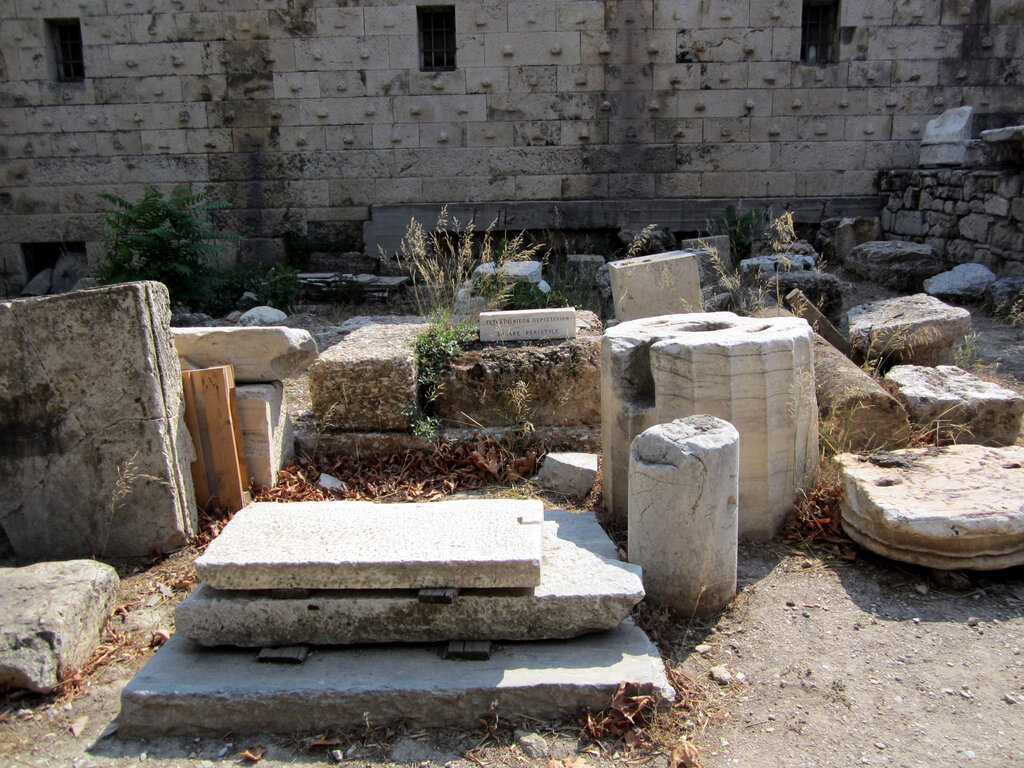
Socrates' fate was decided in the Heliaia, the supreme court of Athens, by a jury of 501 citizens. This massive number was a democratic safeguard against bribery and intimidation. However, it also transformed the trial into a performance. Legal arguments were inseparable from rhetorical persuasion. The prosecution's strategy was to paint Socrates as a Sophist, a label that, while technically inaccurate, associated him in the jurors' minds with intellectual arrogance, fee-taking, and the rhetorical twisting of traditional values.
In democratic Athens of the latter fifth century B.C.E., however, aretē was increasingly understood in terms of the ability to influence one’s fellow citizens in political gatherings through rhetorical persuasion; the sophistic education both grew out of and exploited this shift.
This association was toxic. After Athens' defeat in the Peloponnesian War and the brutal oligarchy of the Thirty Tyrants (which included some of Socrates' former associates like Critias), Athenians were wary of intellectuals who seemed to undermine democratic norms. The Socratic elenchus, his method of cross-examination that publicly humiliated prominent citizens by exposing their ignorance, was easily portrayed as an anti-democratic, destabilizing force. The 'daimonion' was presented not as a source of wisdom, but as a private oracle setting itself against the will of the people and the gods of the city. Before a jury of farmers, merchants, and craftsmen, the distinction between a philosopher and a Sophist was a nuance that could be easily and deliberately blurred.
The Verdict as a Political Act
The legal mechanism of asebeia was less about policing belief and more about enforcing civic conformity. The post-403 BCE amnesty prevented prosecutions for political offenses during the oligarchy, but the charge of impiety offered a convenient workaround. It allowed Anytus, a prominent democratic politician, to target a figure he saw as a corrupting influence without violating the amnesty. Socrates’ own defense, as reported by Plato, was uncompromising. He did not placate the jury or apologize for his methods. Instead, he doubled down on his divine mission, effectively daring them to convict him. For the jury, the choice was between acquitting a man who seemed to mock their values and traditions, or silencing a perceived threat to the city's fragile peace. The nomoi were not just laws but the bedrock of their society. Socrates’ daimonion represented a challenge to that foundation.
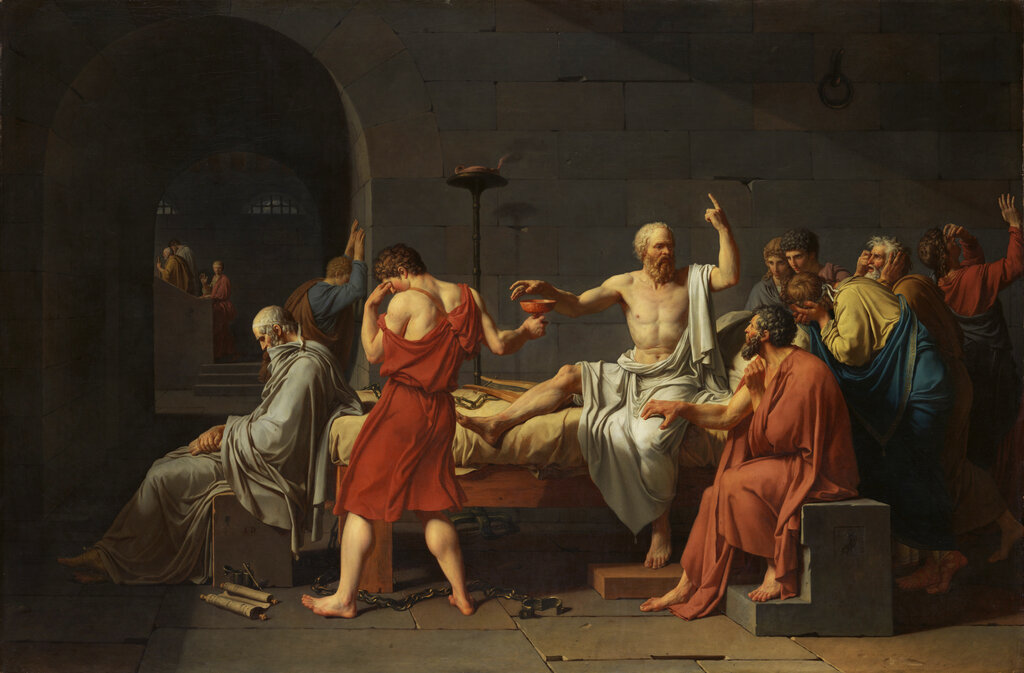
The conviction was narrow, but the sentence was death. The verdict wasn't just a legal finding; it was a political statement about the limits of dissent and intellectual inquiry in a democracy under pressure. The procedural nuances of the Heliaia and the clever framing of the indictment turned a philosophical life into a capital crime.
Ready to test your understanding of the legal strategy used against Socrates?
What was the formal legal indictment brought against Socrates, known as the graphē asebeias?
The prosecution's strategy of labeling Socrates a "Sophist" was effective because, in the minds of the jurors, Sophists were associated with anti-democratic sentiments.