Deconstructing the Second Sophistic
Sophistic Performance Pressures
Performance Over Proof
In the intellectual arena of the 2nd-century Roman Empire, philosophy was not just a private pursuit of truth but a public spectacle. The structural pressures of the Second Sophistic reshaped philosophical discourse, forcing Platonists and Aristotelians to adapt their methods for a live audience. The primary vehicle for this was the melete or declamation, a format that prized rhetorical polish over dialectical rigor.
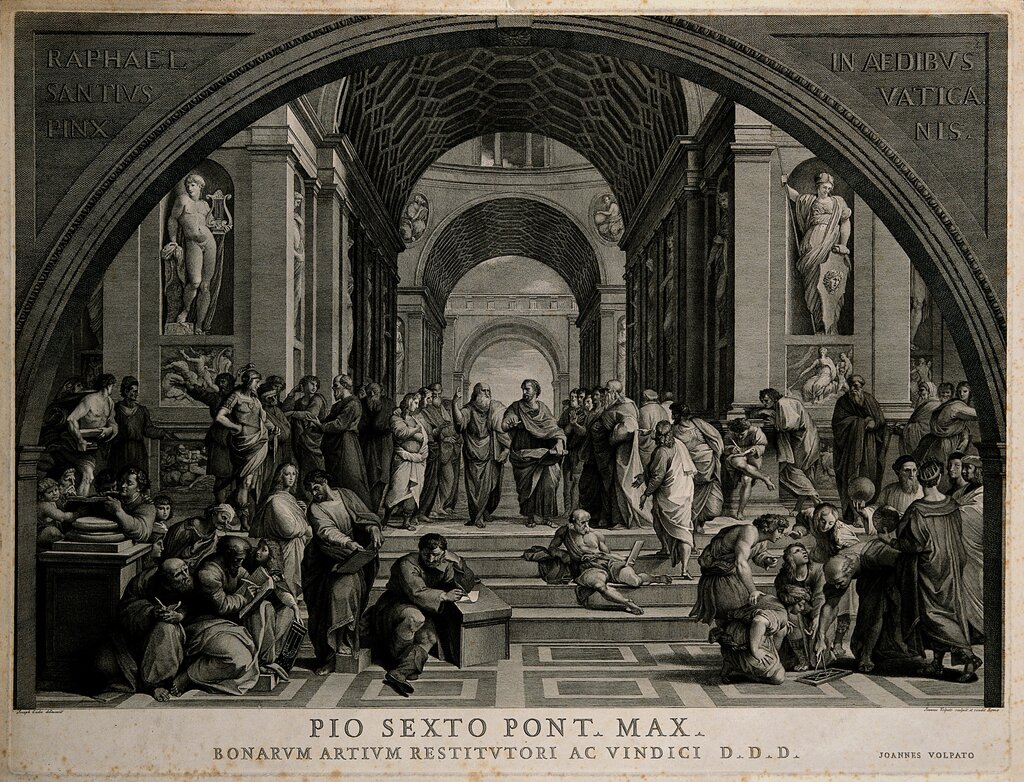
This performance-driven environment marked a decisive shift away from the searching, often inconclusive (aporetic) style of classical Platonic dialogues. Instead of collaborative inquiry, the audience demanded, and received, an 'ex cathedra' delivery of doctrine. Philosophers were expected to present not a process of discovery, but a finished product: clear, authoritative, and stylistically impressive solutions to complex problems. Philosophical truth-claims became subservient to the display.
He provocatively suggests that the ‘Second Sophistic’ should be renamed the ‘Second Athletics’.
The Primacy of Style
A crucial marker of intellectual status during this period was a specific kind of linguistic archaism known as Atticism . This was the conscious imitation of the dialect and style of classical Athenian authors from the 5th and 4th centuries BCE. For a philosopher, speaking in a polished, Atticizing Greek was not merely an aesthetic choice; it was a claim to cultural and intellectual legitimacy. It signaled that the speaker was a true inheritor of the classical tradition, a worthy successor to Plato and Aristotle.
| Feature | Classical Dialogue (Plato) | Second Sophistic Declamation |
|---|---|---|
| Goal | Dialectical Inquiry (Aporia) | Rhetorical Display (Epideixis) |
| Style | Conversational, interrogative | Authoritative, 'ex cathedra' |
| Audience Role | Active interlocutor (in theory) | Passive spectator/consumer |
| Measure of Success | Logical consistency, depth of inquiry | Stylistic polish, audience approval |
This focus on stylometry had a profound effect on the substance of philosophical teaching. Genuine philosophical puzzles and internal contradictions within a doctrine, which would be fertile ground for a Socratic dialogue, were liabilities in a public declamation. They were smoothed over, simplified, or ignored entirely in favor of a coherent, easily digestible presentation. The theatricality of the performance demanded clarity and closure, not the patient uncertainty of genuine dialectic.
From Inquiry to Entertainment
Ultimately, the pressures of the Second Sophistic transformed public philosophy into a form of high-end cultural entertainment. The philosopher became a star performer, and the lecture hall a theater. An audience, often paying for the privilege, came to be impressed by a dazzling display of erudition and eloquence. They were consumers of culture, and the philosopher was a vendor of wisdom, packaged beautifully for public consumption.
In this environment, the process of 'doing' philosophy was hidden. The public saw only the polished result, a systematic 'sophistication' where the rough edges of inquiry were sanded down to create a smooth, authoritative facade.
This shift from a dialogic to a declamatory model had lasting consequences, prioritizing the transmission of established doctrine over the collaborative and often unsettling work of questioning it. The performance had become the point.
Let's check your understanding of these dynamics.
What was the primary format for public philosophical discourse during the Second Sophistic?
What is 'Atticism' in the context of the 2nd-century Roman Empire?
The tension between rhetoric and dialectic is a recurring theme in the history of philosophy. The Second Sophistic provides a clear case study of an era where the demands of the former reshaped the practice of the latter, with consequences that are still debated by scholars today.