Deconstructing Story Elements
Introduction to Storytelling
What Makes a Story?
At its heart, storytelling is the act of sharing a sequence of events. It's how we make sense of the world, connect with each other, and pass on knowledge. From a casual chat with a friend to an epic novel, stories are a fundamental part of what makes us human. They are the threads that weave together the fabric of our cultures and personal histories.
Stories are central to human culture, serving to share ideas, preserve traditions, and foster connections.
We are surrounded by narratives every day. They're in the books we read, the movies we watch, and the news we consume. Understanding how they work gives us a powerful tool for communication and a deeper appreciation for the art that shapes our lives.
A Journey Through Time
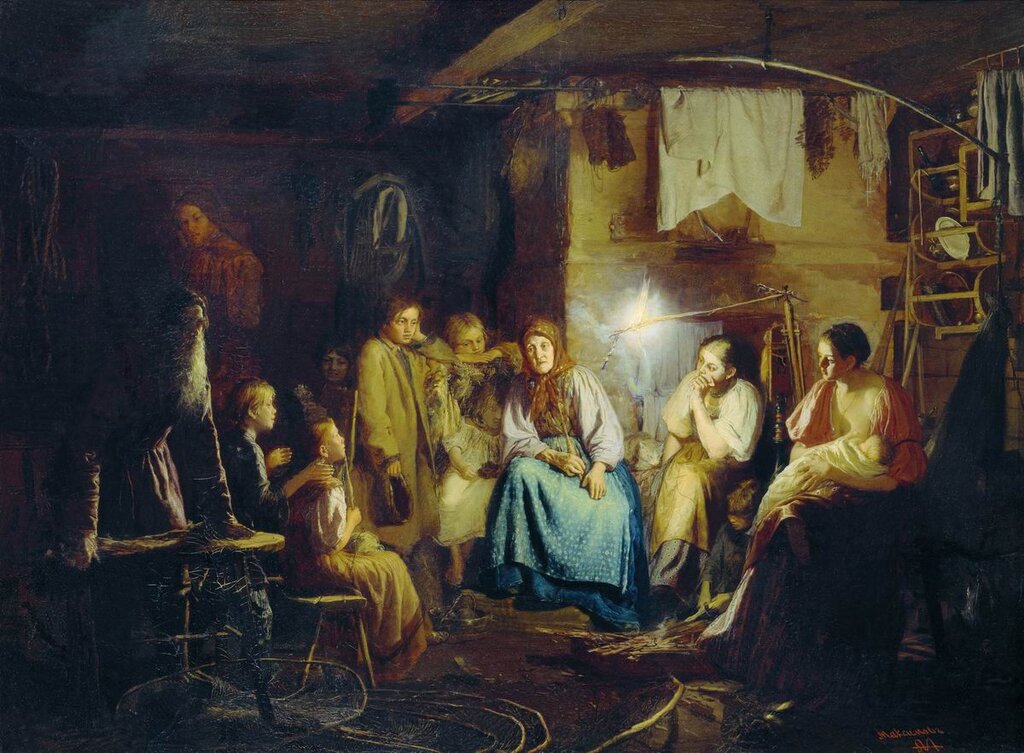
Storytelling is as old as humanity itself. Long before writing was invented, people gathered around fires to share tales of hunts, heroes, and the creation of the world. These oral traditions were the first libraries, holding the collective memory and wisdom of a community.
With the invention of writing, stories could be recorded and shared more widely. From ancient scrolls and illuminated manuscripts to the printing press and the modern paperback, the technology changed, but the core purpose remained the same: to capture and share human experience.
Today, storytelling has evolved into countless new forms. We experience narratives through films, video games, podcasts, and social media. Each new medium offers unique ways to tell a story, yet they all build on the same foundational principles that have captivated audiences for thousands of years.
The Building Blocks
Every compelling story, no matter the format, is built from a few key ingredients. Understanding these components helps you see the architecture behind the narratives you love.
| Component | What it is |
|---|---|
| Plot | The sequence of events; what happens. |
| Character | The people or beings driving the story. |
| Setting | The time and place where the story is. |
| Theme | The central idea or underlying message. |
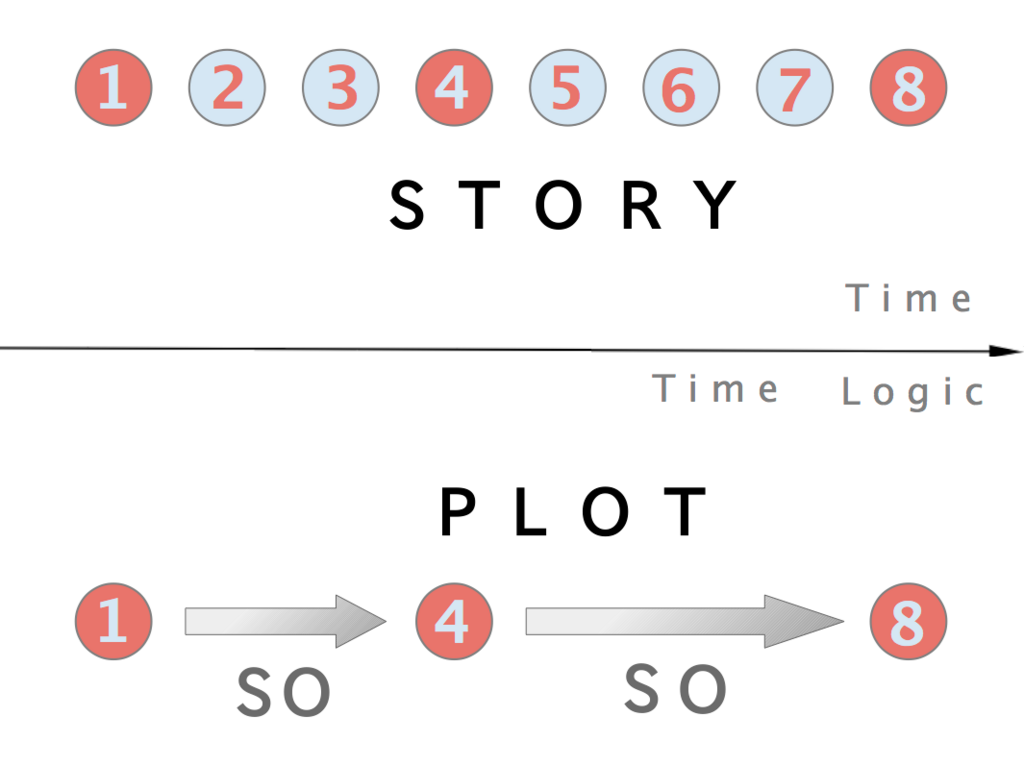
Let's look at plot a bit more closely. A common mistake is to confuse the story with the plot. The story is the simple, chronological sequence of events. The plot, however, is the way those events are arranged and connected to create emotional impact and reveal meaning.
Characters give the audience someone to root for. The setting provides context and atmosphere. And the theme offers a deeper meaning, a reason for the story to be told. When these elements work together, they create a world that feels real and a narrative that resonates.
Why Stories Matter
Beyond entertainment, stories are essential tools for learning and cultural preservation. They transform abstract facts and dry data into something memorable and emotionally engaging. A list of historical dates is easily forgotten, but a story about the people who lived through those times can stick with us for a lifetime.
By transforming lessons into narratives, educators can enhance comprehension, retention, and enthusiasm for learning.
Cultures around the world use stories to pass on their values, beliefs, and history from one generation to the next. Folktales, myths, and legends are not just simple tales; they are rich archives of a people's identity. They teach children about their heritage and reinforce a community's shared understanding of the world.
Let's review what we've learned.
What is the primary function of storytelling as described in the text?
According to the text, what is the key difference between a 'story' and a 'plot'?