Deconstructing Safety Data Sheets
Introduction to Hazard Communication
Your Right to Know
Working with chemicals comes with risks, but those risks shouldn't be a mystery. The core idea behind workplace safety is simple: you have a right to know about the hazards of any chemicals you use on the job. This principle is the foundation of Hazard Communication.
Hazard communication is all about ensuring that everyone, from the manufacturer to the end-user, has clear, consistent information about chemical dangers.
Think of it as a set of rules for a shared language. If a chemical is flammable or toxic, there needs to be a standard way to say so. This ensures that a worker in Texas receives the same clear warnings as a worker in Germany or Japan. Without this system, vital safety information could get lost in translation or buried in confusing jargon.
The Official Rulebook
In the United States, the Occupational Safety and Health Administration (OSHA) enforces this "right to know" through the Hazard Communication Standard, often called the HCS. The purpose of the HCS is to ensure that the hazards of all chemicals produced or imported are evaluated, and that information concerning their hazards is transmitted to employers and employees.
This standard is a performance-based rule, meaning it tells you what needs to be done, but offers some flexibility in how you do it. The HCS applies to any workplace where employees might be exposed to hazardous chemicals under normal working conditions or in a foreseeable emergency.
A Global Language for Hazards
To make hazard information universally understood, the HCS aligns with the Globally Harmonized System of Classification and Labelling of Chemicals, or GHS. The GHS isn't a regulation itself; it's a system that provides a framework for classifying chemicals and communicating their hazards through standardized labels and safety data sheets.
By adopting GHS principles, countries around the world can use the same criteria for classifying health, physical, and environmental hazards. They also use the same hazard symbols, known as pictograms, to provide immediate visual warnings. This global approach helps streamline safety practices for international trade and ensures a consistent level of protection for all workers.
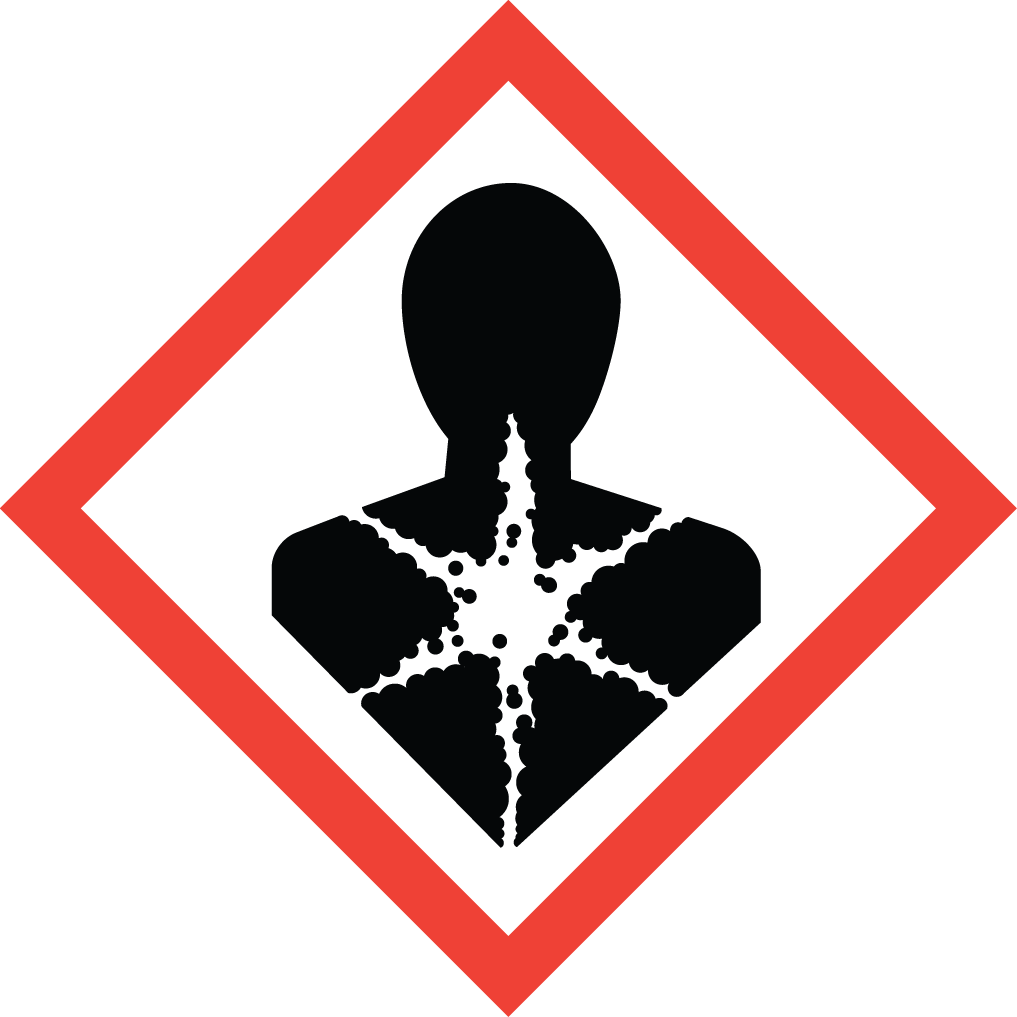
The use of standardized pictograms, signal words like "Danger" or "Warning," and hazard statements makes it easier for anyone to quickly understand the risks associated with a chemical, regardless of their native language or literacy level.
Everyone Plays a Part
Effective hazard communication is a team effort. Both employers and employees have specific responsibilities under the HCS to maintain a safe work environment.
An employer's main job is to provide information and training. An employee's main job is to understand and use that information.
Employer Responsibilities:
- Develop, implement, and maintain a written hazard communication program.
- Keep a list of the hazardous chemicals known to be present in the workplace.
- Ensure all containers of hazardous chemicals are properly labeled.
- Maintain Safety Data Sheets (SDSs) for each hazardous chemical and make them readily accessible to employees.
- Train employees on the hazards of chemicals in their work area and the measures they can take to protect themselves.
Employee Responsibilities:
- Participate in training and understand the hazard communication program.
- Read labels and Safety Data Sheets to understand the hazards of the chemicals they work with.
- Follow the employer’s instructions and warnings to handle chemicals safely.
- Identify and report any hazards or problems, such as a missing label or an inaccessible SDS.
Now, let's check your understanding of these core concepts.
What is the primary purpose of the Hazard Communication Standard (HCS)?
The HCS aligns with which international system to ensure a standardized approach to hazard communication?
By understanding these roles and standards, everyone in the workplace can contribute to a culture of safety where chemical hazards are clearly communicated and properly managed.