Deconstructing Media Bias
Understanding Media Bias
More Than Just the Facts
No news source is completely neutral. Every story you read, watch, or listen to is shaped by choices. Editors and journalists decide which events to cover, which people to interview, and which words to use. Media bias isn't necessarily about telling lies; it's about presenting information from a particular point of view. It’s the slant or perspective that can influence how you interpret the facts.
Think of it like telling a story about a party. One person might focus on the great music and dancing, while another talks about how the food ran out early. Both are telling the truth, but they're painting very different pictures of the same event.
Bias
noun
A tendency, inclination, or prejudice for or against something or someone. In media, it refers to the way journalists and news producers select and cover stories, which can shape audience perception.
This bias can be intentional, like a news outlet pushing a specific political agenda. Or it can be unintentional, stemming from the personal experiences and unconscious beliefs of the people creating the news. Either way, it affects the final story.
Common Forms of Bias
Bias can show up in subtle ways. It’s not always as simple as a news anchor shouting their opinion. Here are a few common types you’ll encounter.
Selection Bias: Deciding which stories get told, and which get ignored. This is sometimes called “bias by omission.” If a news channel only reports on the failures of a new government program but never its successes, that’s selection bias. The information isn't wrong, but it's incomplete.
Confirmation Bias: This is the tendency to favor information that confirms what you already believe. Media outlets often cater to their audience's existing views to keep them engaged. They might frame a story in a way that reinforces what their viewers or readers want to hear, validating their perspectives while ignoring contradictory evidence.
For example, an outlet might report on a single study that suggests a popular health trend is ineffective, framing it as definitive proof. This appeals to an audience skeptical of the trend, even if dozens of other studies suggest otherwise.
Emotional Appeal: This type of bias uses language or imagery to provoke a strong emotional reaction, like fear, anger, or compassion. When we're emotional, we're often less critical of the information we're receiving. This technique bypasses logical reasoning and aims straight for the heart.
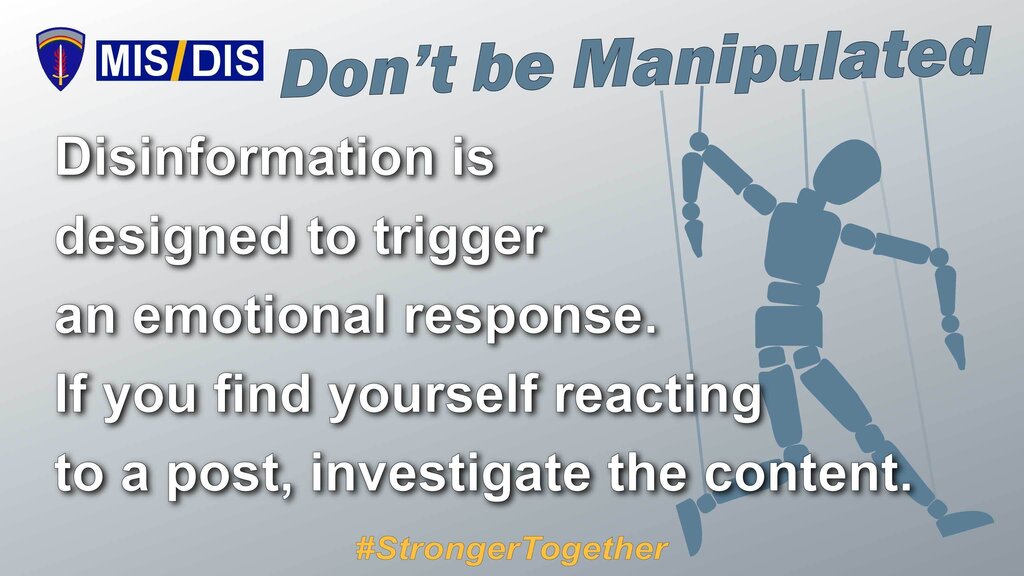
A story about a proposed factory might focus heavily on a single family who would lose their home, complete with sad music and tearful interviews. This creates sympathy and potential opposition to the project, regardless of its potential economic benefits for the wider community.
How Bias Shapes Our World
The impact of media bias is significant. When we are consistently exposed to a single perspective, our own view of reality can become skewed. We might start to believe that our way of seeing things is the only way, or that certain groups of people are all one way.
Public opinion is shaped by the information news media provide, and that information in turn may be shaped by the ideological preferences of media outlets.
This can create “echo chambers,” where we only hear opinions that echo our own. Over time, this makes it harder to understand people with different viewpoints. It can increase social and political polarization, making compromise and conversation feel impossible.
Understanding that bias exists is the first step toward becoming a more critical and informed consumer of information. It allows you to see the bigger picture and question the stories you're being told.