Deconstructing Hellman's Aesthetic Philosophy
Introduction to Aesthetics
The Philosophy of Art and Beauty
Have you ever looked at a painting, listened to a piece of music, or watched a sunset and wondered what makes it beautiful? Or maybe you've seen a piece of modern art and thought, "How is that art?" These are the kinds of questions that drive aesthetics, the branch of philosophy that deals with the nature of beauty, art, and taste.
Aesthetics
noun
A branch of philosophy dealing with the nature of art, beauty, and taste, and with the creation and appreciation of beauty.
Aesthetics isn't just about deciding what's pretty. It's a deep inquiry into how we experience and judge the world around us. It explores why certain things captivate our senses and emotions, while others leave us cold. This field provides a framework for thinking critically about art and the powerful role it plays in our lives.
Philosophical theories of art have their roots in ancient Greece, where philosophers such as Plato and Aristotle grappled with the nature of beauty, creativity, and artistic expression.
A Quick Tour Through History
The conversation about aesthetics is thousands of years old. The ancient Greeks were among the first to formally tackle these ideas. Plato, for example, was suspicious of art. He believed the physical world was just a shadow of a higher, perfect reality. Since art is an imitation of that physical world, he saw it as an imitation of a shadow, twice removed from the truth.
His student, Aristotle, had a more favorable view. He agreed that art was imitation, but he thought this imitation could reveal deep truths about the human condition. He argued that tragedy, for instance, allows us to experience pity and fear in a safe context, leading to an emotional cleansing he called catharsis.
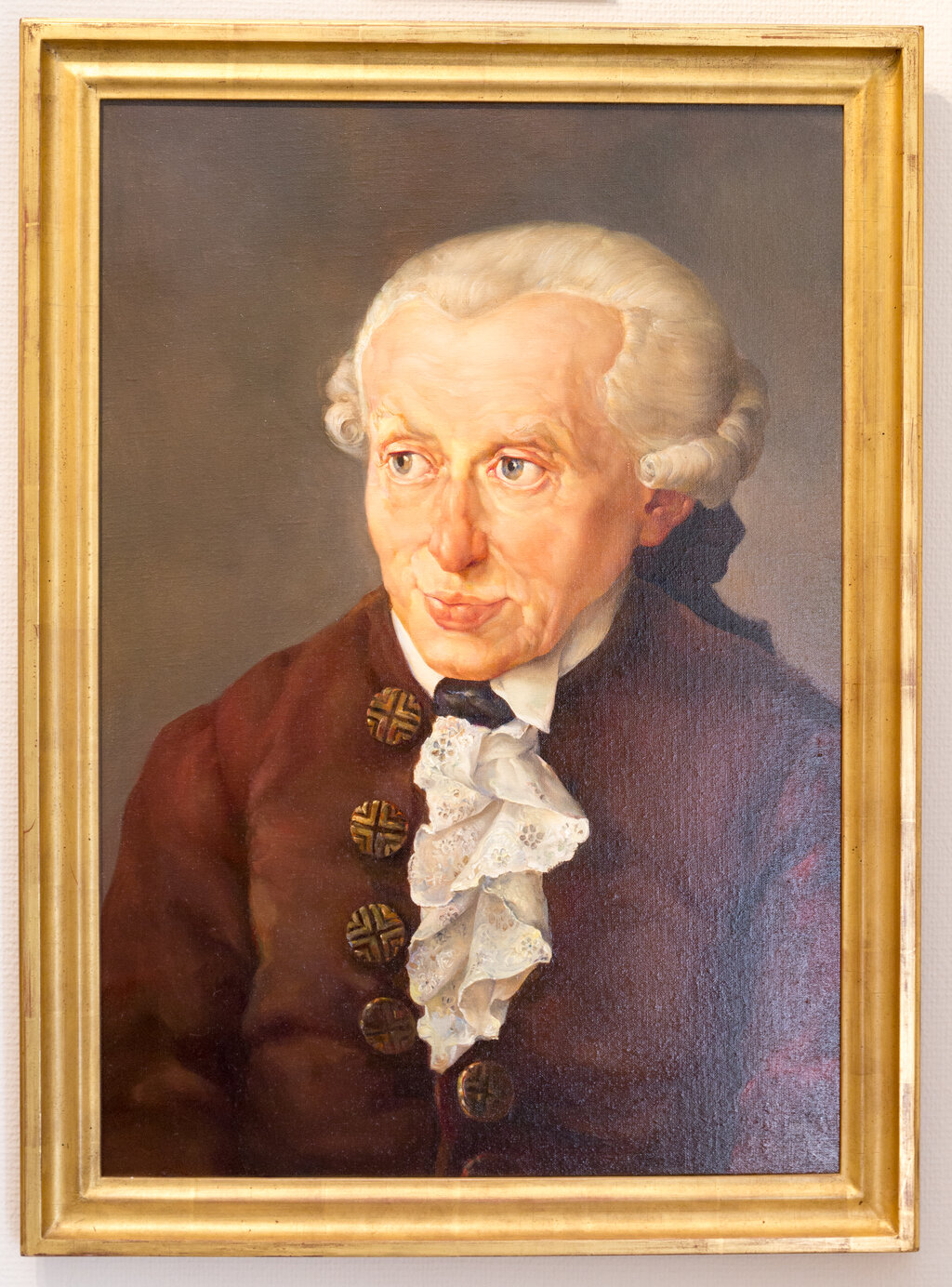
Fast forward to the 18th century, a period known as the Enlightenment. The philosopher Immanuel Kant shifted the focus from the artwork itself to the viewer's experience. For Kant, the judgment of beauty is subjective. It's a feeling of pleasure that arises from the free play of our imagination and understanding. However, when we call something beautiful, we aren't just stating a personal preference, like enjoying a certain flavor of ice cream. We are making a claim that we believe everyone should agree with, even though there's no logical rule that can prove it.
Two Central Questions
Aesthetics constantly circles back to two fundamental questions that are simple to ask but incredibly difficult to answer.
What is beauty?
Is beauty an objective quality that exists in things, regardless of who is looking? Or is it purely subjective, a matter of personal opinion? This is the classic "beauty is in the eye of the beholder" debate.
Some thinkers have argued for objective standards. The ancient Greeks, for instance, linked beauty to mathematical properties like symmetry and proportion. Others argue that our perception of beauty is entirely shaped by our individual experiences, culture, and personal tastes.
What is art?
This question has become even trickier in the last century. For a long time, art was largely defined by skill and its ability to represent the world realistically. But what happens when an artist presents a signed urinal as a sculpture, as Marcel Duchamp did with his work Fountain? What about a canvas that is painted a single solid color?
This challenges us to think about what qualifies something as art. Is it the intention of the creator? The judgment of the art world? The experience it creates in the viewer? Or does it need to possess certain formal qualities? There is no easy answer, and the definition of art continues to be debated and expanded.
Understanding these foundational ideas in aesthetics prepares us to analyze more specific theories and to think more deeply about the art we encounter every day.
Ready to test your knowledge?
According to Plato, why was art philosophically suspect?
Aristotle believed that tragedy could be beneficial for an audience by providing an emotional cleansing. What term did he use for this experience?
These questions form the bedrock of aesthetics. By exploring them, we begin to understand not just art, but also the nature of our own perception and judgment.