Deconstructing Healthcare Misinformation Design
Understanding Healthcare Misinformation
What Is Healthcare Misinformation?
Healthcare misinformation is false, inaccurate, or misleading information about health, medicine, and wellness. It can range from incorrect claims about a new diet to dangerous advice about treating a serious illness. This information often looks legitimate, making it hard to tell fact from fiction.
Common examples include posts claiming a specific herb can cure cancer, that vaccines contain microchips, or that drinking a certain type of water can reverse aging.
Not all bad information is created with the same intent. To understand the landscape, it's crucial to know the difference between misinformation and its more deliberate cousin, disinformation.
Mistake or Malice?
The key difference between misinformation and disinformation lies in the creator's intent. Was it an honest mistake or a calculated lie?
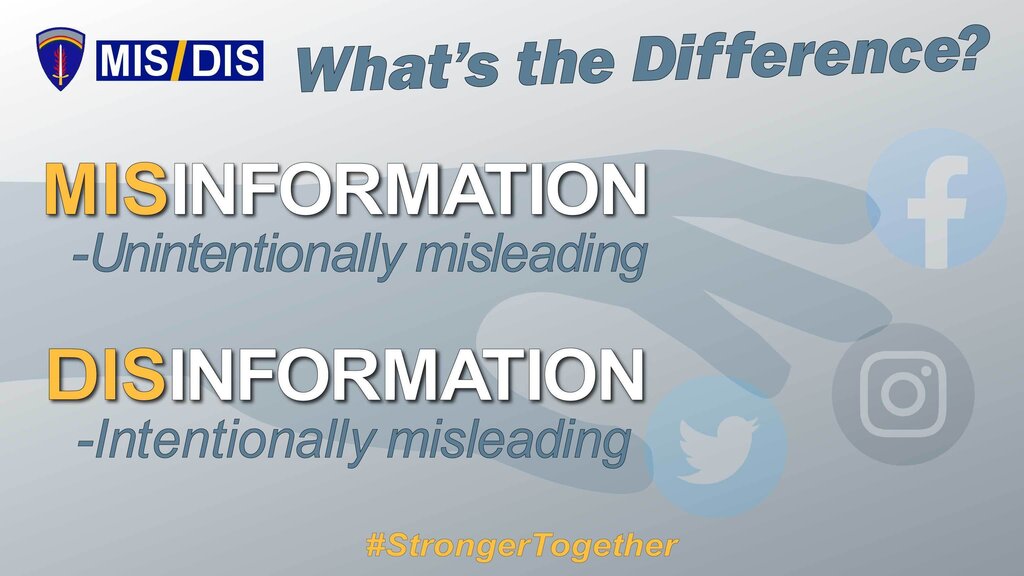
Someone who shares a false health claim because they genuinely believe it's helpful is spreading misinformation. They aren't trying to cause harm. Disinformation, on the other hand, is fabricated and spread intentionally to deceive people. The motive could be financial gain, political influence, or simply to create chaos.
Misinformation
noun
False information that is spread, regardless of intent to mislead.
Think of it like this: your aunt shares a post about a new “superfood” that cures diabetes. She thinks she's helping, but the claim is false. That's misinformation. Now, imagine a company creates a fake website with false testimonials to sell a useless supplement for a high price. That's disinformation.
Disinformation
noun
False information deliberately and often covertly spread in order to influence public opinion or obscure the truth.
Regardless of intent, the end result is the same: people receive bad information that can affect their health.
How It Spreads
In the digital age, false health narratives spread faster than ever. Social media platforms are major amplifiers. A single post with a shocking or emotionally charged headline can be shared thousands of times in just a few hours. Algorithms designed to maximize engagement can inadvertently promote sensational and false content because it gets more clicks, likes, and shares.
With little or no fact checking, misinformation (inaccurate info) and disinformation (falsehoods deliberately intended to deceive) can spread like wildfire on social media.
It also spreads through private channels like messaging apps, emails, and even word of mouth. Once someone accepts a piece of misinformation, they may share it with their family and friends, creating a ripple effect within trusted circles.
The Real-World Harm
The impact of healthcare misinformation isn't just theoretical. It has serious, real-world consequences for individuals and entire communities. When people believe false information, they might reject proven medical treatments in favor of ineffective or even dangerous alternatives.

This can lead to delayed diagnoses, worsened health conditions, and financial loss. For example, someone might spend their savings on a fraudulent “miracle cure” instead of seeking evidence-based care from a doctor.
On a larger scale, misinformation can erode public trust in healthcare professionals and institutions. During a public health crisis, like a pandemic, widespread disinformation can undermine efforts to control the spread of disease, leading to preventable illness and death. It creates confusion and division when clear, unified action is most needed.
Learning to spot harmful medical misinformation is the first step in protecting public and individual health, helping people avoid dangerous treatments, and preventing delays in proper, professional care.
Understanding what health misinformation is, and the motives behind it, is the first step toward navigating the complex world of online health information safely.