Deconstructing Health Headlines
Understanding Health Headlines
Headlines Are Just the Start
A headline's job is to grab your attention. In the world of health news, that can be a problem. To make complex scientific findings sound exciting, headlines often simplify the story so much that they become misleading. A study showing a small, potential link between a food and a health benefit can become a headline declaring a new superfood that cures disease.
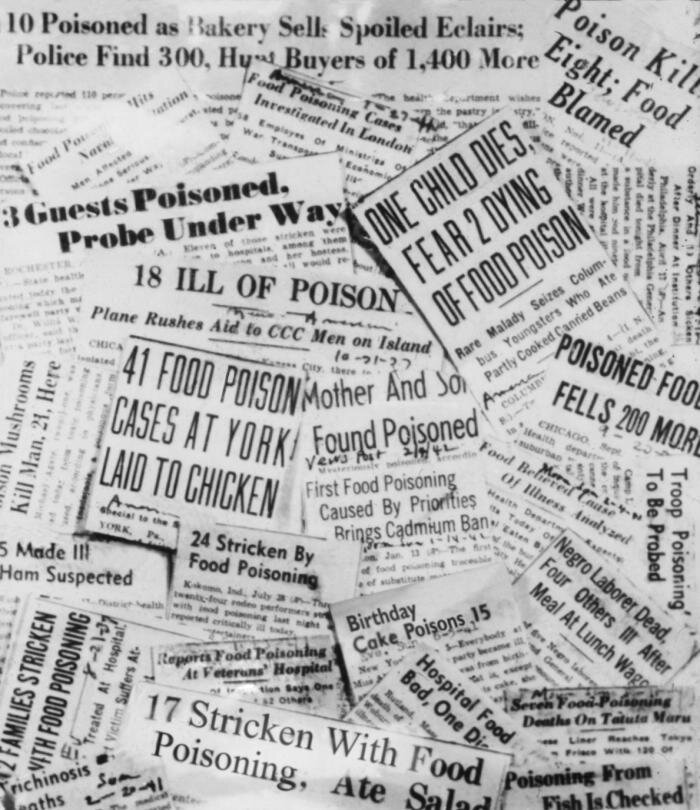
This isn't always done with bad intentions. Journalists are often under pressure to make their stories stand out. But the result is the same: the public gets a distorted view of the science. The key is to see headlines not as final conclusions, but as invitations to look deeper.
Spotting the Red Flags
Once you know what to look for, sensationalized headlines become easier to spot. They often rely on a few common tricks to make a story seem more dramatic than it really is.
If a headline claims a new treatment is a "miracle cure" or that a single study has "revolutionized" health science, skepticism is warranted.
One major red flag is the use of emotional or dramatic language. Words like "breakthrough," "revolutionary," "miracle," or "game-changing" are rarely used in actual scientific research. Science moves slowly and carefully, one small step at a time. Big, sudden leaps are extremely rare.
Another common issue is overgeneralization. A study might find a positive effect in lab rats or in a small group of people with a very specific condition. A splashy headline, however, might suggest the finding applies to everyone. A headline that reads "New Drug Cures Cancer" is almost certainly blowing a much smaller, preliminary finding out of proportion.
| Red Flag | Example Headline | What It Might Really Mean |
|---|---|---|
| Dramatic Language | "Miracle Fruit Cures Baldness!" | A small study found a weak link between a fruit extract and hair growth in mice. |
| Overgeneralization | "Daily Coffee Habit Prevents Heart Disease" | A specific type of coffee showed a minor benefit in a limited group of people. |
| Omitting Key Details | "New Pill Reverses Aging" | A company selling the pill funded the study, which hasn't been reviewed by other scientists. |
Finally, be wary of headlines that leave out crucial context. Who funded the study? How many people participated? Was it a long-term or short-term experiment? Good health reporting includes these details, but they rarely fit in a headline. The absence of this information can be a sign that the story is less certain than it appears.
The Impact of Misinformation
Misleading headlines do more than just misinform. They can have real-world consequences. When a headline creates false hope, people might abandon proven medical treatments for something that doesn't work. When a headline stokes unnecessary fear, people might avoid healthy behaviors or safe medications.
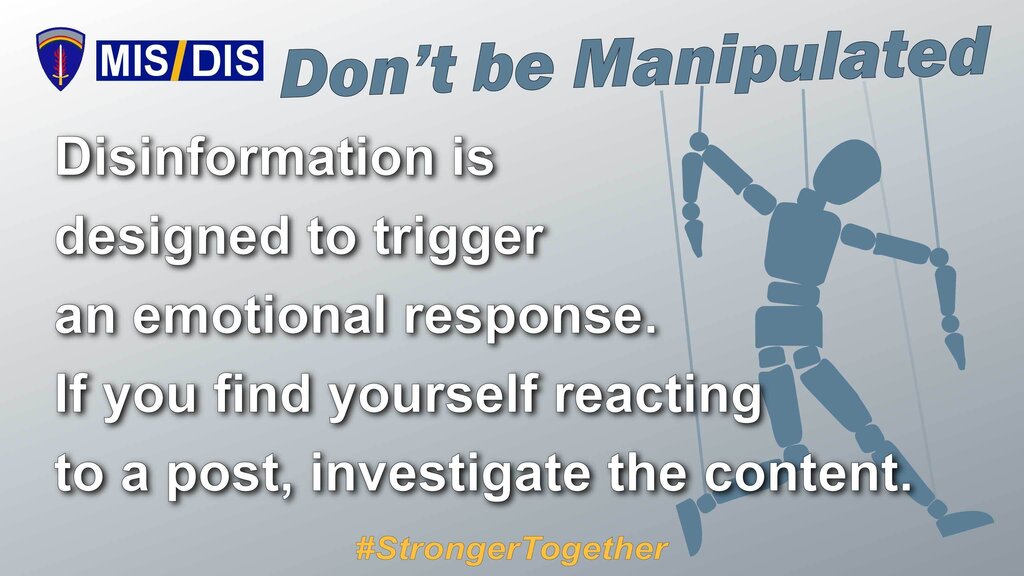
Over time, a constant stream of sensationalized health news can erode public trust in science and journalism. When today's "miracle cure" is forgotten tomorrow, people can become cynical about all health advice. Learning to read headlines with a critical eye is a powerful way to protect yourself from misinformation and make better decisions for your health.
Now, let's test your ability to spot these red flags.
What is a primary reason that health news headlines can be misleading?
Which of these words, if used in a health headline, should be considered the biggest red flag for sensationalism?