Deconstructing Canadas Indian Act
Introduction to the Indian Act
A Law of Control
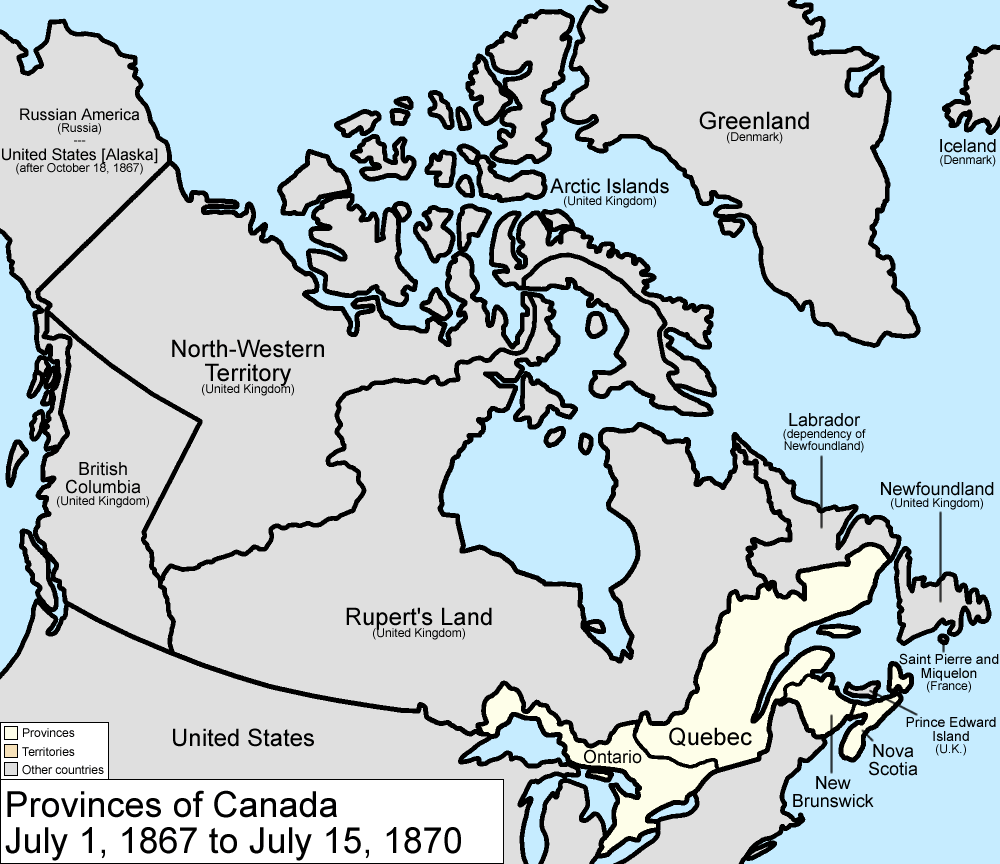
After Canada became a country in 1867, the new government had a big goal: to expand westward across the continent. Standing in the way, from their perspective, were the First Nations who had lived on those lands for millennia. To manage this “Indian problem,” the government decided to create a single, powerful piece of legislation.
In 1876, Parliament passed the Indian Act. It wasn't a brand-new idea. Instead, it combined various pre-Confederation laws from different colonies into one comprehensive act. Its purpose was to consolidate federal control over almost every aspect of the lives of First Nations people. This law wasn't a treaty or an agreement; it was imposed by the Canadian government.
The Act gave the federal government immense power. It dictated who was an “Indian” in the eyes of the state, controlled reserve lands, managed Indigenous funds, and oversaw governance. From birth to death, the lives of First Nations people were to be administered by government agents.
Assimilation as the Goal
The ultimate goal of the Indian Act was assimilation. The government believed that Indigenous peoples should be absorbed into mainstream Canadian society, abandoning their own cultures, languages, and traditions. The Act was the primary tool to make this happen.
One of the key policies was “enfranchisement.” This sounded positive, but it was a process for a First Nations person to lose their Indian status and become a full Canadian citizen. In the early days of the Act, this was the only way for an Indigenous person to gain the right to vote. To become enfranchised, a person had to prove they were “civilized” enough. If a man chose enfranchisement, his wife and children were automatically enfranchised too, severing their legal and cultural ties to their community, whether they wanted to or not.
This policy revealed the Act's core logic: to be a citizen, one had to stop being an Indian.
A key provision stated that any First Nations person who obtained a university degree would be automatically enfranchised, losing their status without their consent.
To enforce assimilation, the government actively suppressed Indigenous cultures. Amendments to the Indian Act banned important spiritual and cultural ceremonies. The potlatch, a complex ceremony central to the governance and economic systems of many West Coast nations, was outlawed in 1884. The Sun Dance, a vital spiritual ceremony for many Plains cultures, was also forbidden.
These bans were direct attacks on the social, spiritual, and political fabric of First Nations communities. The government also implemented the residential school system during this period, which became the most notorious instrument of forced assimilation.
An Act That Changes
The Indian Act was not a static document. It has been amended many times since 1876, often making it even more restrictive in its early decades. For example, rules were added that confined First Nations people to reserves unless they had a special pass from an “Indian Agent,” a government official with broad authority over the reserve.
A major revision came in 1951. Some of the harshest provisions were removed, including the bans on ceremonies like the potlatch and the compulsory enfranchisement of those who earned university degrees. However, the core of the Act, which gave the government control over the lives of First Nations people, remained.
Another significant change came in 1985 with an amendment known as Bill C-31. For over a century, the Act had discriminated based on gender. A status woman who married a non-status man lost her Indian status, and her children had no status. But a status man who married a non-status woman kept his status, and his wife and children gained it. Bill C-31 was passed to remove this discrimination and restore status to thousands of women and their children who had been unjustly stripped of their identity and community connections by the law.
Even with these changes, the Indian Act continues to be a controversial and foundational piece of legislation in the relationship between Canada and First Nations.
Now, let's test your understanding of this foundational law.
What was the primary, overarching goal of the Indian Act when it was created in 1876?
Under the original Indian Act, what did the process of "enfranchisement" involve for a First Nations person?
Understanding the Indian Act is crucial for grasping the historical and ongoing relationship between the Canadian state and Indigenous peoples.