Deconstruct Vibe Coded Businesses for 50k Monthly Revenue
Understanding Vibe Coding
What is Vibe Coding?
Imagine describing a piece of software in plain English, and an AI assistant instantly translates your idea into working code. That's the essence of vibe coding. It's a new approach to software development where the developer acts more like a director than a line-by-line author. Instead of getting bogged down in syntax and boilerplate, you focus on the 'vibe'—the core idea, the user experience, and the overall goal.
Vibe Coding (VC) is a form of software development assisted by generative AI, in which developers describe the intended functionality or logic via natural language prompts, and the AI system generates the corresponding source code.
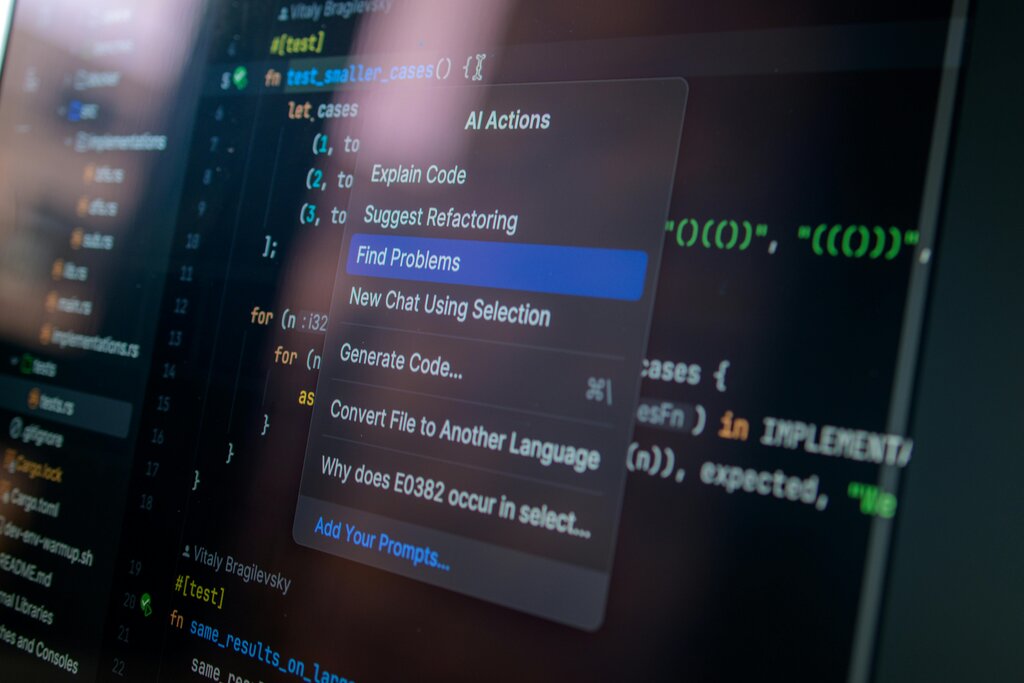
In this process, developers collaborate with a large language model (LLM). They describe what they want to build, and the AI generates the code. The developer then tests this code, provides feedback, and asks for refinements. This back-and-forth is iterative and conversational, allowing for rapid prototyping and experimentation. The focus shifts from manually writing every detail to guiding the AI toward the desired outcome.
A New Way to Build
Vibe coding isn't just a small change; it represents a fundamental shift in the development process. It changes the role of the developer and the entire workflow of creating software.
| Aspect | Traditional Development | Vibe Coding |
|---|---|---|
| Developer's Role | Writes code line by line | Directs and refines AI-generated code |
| Primary Skill | Syntactic precision | Clear communication and vision |
| Process | Linear and structured | Iterative and experimental |
| Pace | Methodical and deliberate | Fast and dynamic |
| Focus | Technical implementation | User experience and rapid prototyping |
With traditional methods, a developer's time is spent translating an idea into a specific programming language. They must know the exact syntax and structure to make the computer understand. Vibe coding abstracts this away. The developer's main job is to clearly articulate their vision to the AI, which handles the technical translation.
The Benefits of a New Vibe
This new approach brings several advantages, especially for building and scaling new business ideas quickly. The most obvious benefit is speed. Prototypes that once took weeks can now be created in hours or days. This allows for faster testing of business models and quicker pivots based on user feedback.
It also lowers the barrier to entry. While it doesn't eliminate the need for technical understanding, it allows creators to focus more on the product and user experience rather than complex code. This means someone with a great business idea can build a functional application without needing to be an expert in multiple programming languages.
Finally, vibe coding encourages a more creative and user-centric design process. By quickly building and testing different versions of an application, developers can fine-tune the product to better match the audience's needs and preferences, creating software that truly resonates.
Consider building a mobile app to help users find local hiking trails. Instead of opening a code editor and starting from scratch, a developer using vibe coding might prompt an AI: 'Build me a simple iOS app with a map view that shows hiking trails near the user's current location. Add a feature to filter trails by difficulty: easy, medium, and hard.' The AI would generate the initial code, and the developer would then refine it through further conversation, perhaps adding features for user reviews or photo uploads.
This method lets you test core functionality with real users almost immediately, ensuring the final product is something people actually want to use.
What is the primary role of a developer in the "vibe coding" approach?
According to the text, how does vibe coding lower the barrier to entry for creating software?