Deconstruct Scientific Papers
Understanding Scientific Papers
Decoding Scientific Papers
Scientific papers are the currency of the research world. They aren't just articles; they're the official, detailed records of new discoveries. Think of them as a formal conversation between scientists across the globe and through time. When researchers find something new, they write a paper to share their methods, results, and interpretations with the wider community. This allows others to learn from their work, verify their findings, and build on them.
This process of sharing is what pushes science forward. Each paper is like a single brick added to the wall of human knowledge. It’s a transparent system that relies on a consistent structure to make information clear and accessible.
The Standard Blueprint
While topics vary wildly, the structure of most scientific papers is surprisingly consistent. This standard format helps readers know exactly where to find specific information, whether they're looking for the core findings or the exact methods used. It’s often called the IMRaD format, which stands for Introduction, Methods, Results, and Discussion.
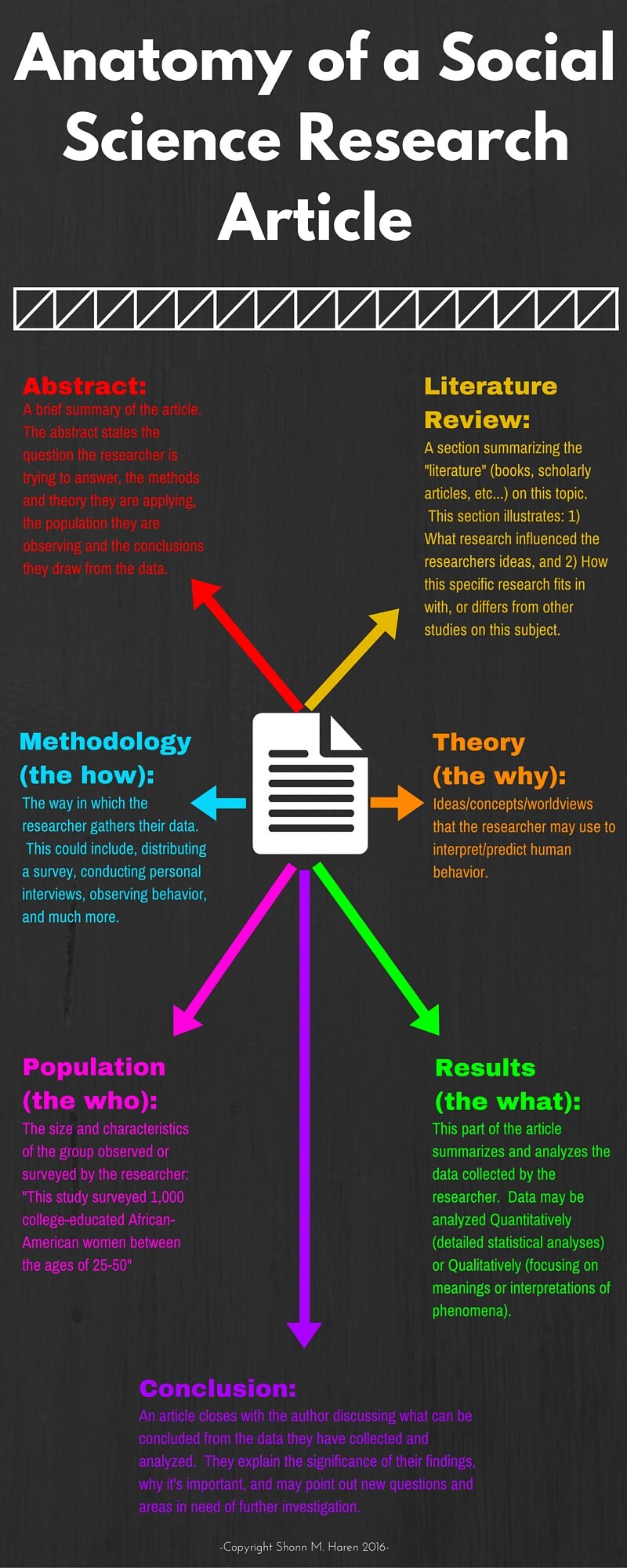
Let's break down the role of each part.
To begin your research paper reading journey effectively, prioritize reading the abstract first.
Abstract This is a short summary of the entire paper. In just a paragraph or two, it covers the research question, the main methods, the key findings, and the major conclusion. If you only have a minute, the abstract tells you whether the paper is relevant to your interests.
Introduction This section sets the stage. It starts broad by explaining the background of the research topic and what's already known. It then narrows down to identify a specific gap in knowledge or an unanswered question. The introduction ends by stating the paper's specific goal or hypothesis—what the researchers set out to discover.
When embarking on reading a research paper, dedicate ample time to the introduction.
Methods (or Methodology) This is the
recipe
noun
A set of instructions for preparing a particular dish, including a list of the ingredients required. In science, it's the detailed description of how an experiment was conducted.
of the study. It provides a detailed account of exactly how the research was conducted: who or what was studied, what equipment was used, and the step-by-step procedures that were followed. The goal is to provide enough information for another scientist to replicate the study completely. This transparency is crucial for scientific validation.
Results Here, the researchers present their findings without any interpretation. This section is all about the data. It typically includes tables, figures, and graphs to display the objective outcomes of the experiments. The text in this section simply describes the data, pointing out key trends and statistical results.
Discussion This is where the authors interpret the results. They answer the question,
What does it all mean?
The discussion section explains the significance of the findings, connects them back to the questions raised in the introduction, and compares them to the results of previous studies. Researchers also acknowledge any limitations of their study and often suggest directions for future research.
References Finally, the references section is a comprehensive list of all the scientific papers and other sources cited in the article. This gives credit to other researchers and provides a trail for readers who want to explore the topic further.
Why It Matters
This structured format isn't just about tradition. It's a critical tool for ensuring clarity, transparency, and reproducibility in science. By presenting research in a standardized way, scientists can efficiently review, critique, and build upon each other's work. It’s the framework that supports the entire scientific enterprise, allowing knowledge to be tested, refined, and advanced over time.
Now that you understand the basic layout, you're better equipped to navigate and comprehend these important documents.
What is the primary purpose of the 'Methods' section in a scientific paper?
A researcher is reading a new paper and wants to quickly understand the study's main goals, key findings, and overall conclusion to see if it's relevant to their work. Which section should they read?