Deconstruct Research Papers Fast
Understanding Scientific Paper Structure
The Anatomy of a Paper
Scientific papers can feel intimidating, but they follow a predictable pattern. Think of it like a blueprint. Once you understand the layout, you can navigate any paper with confidence and quickly find the information you need. Most research articles use a structure called IMRaD, which stands for Introduction, Methods, Results, and Discussion. Let's break down what each part does.
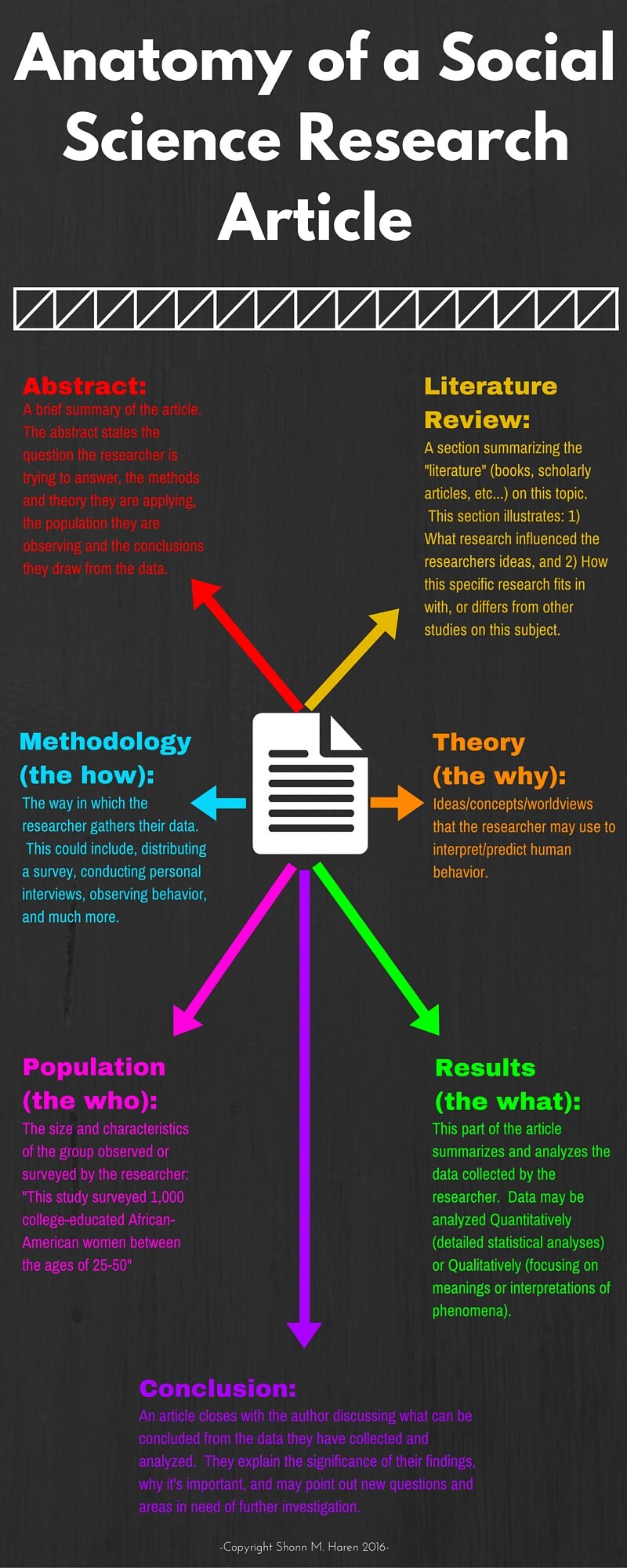
The First Glance
Before you dive in, always start with the Title and Abstract. The title gives you the main topic in a single phrase, like a headline. It's your first clue about the paper's focus.
The abstract is a mini-summary of the entire article. It's usually about a paragraph long and covers the research question, the main methods, the key findings, and the conclusion. It tells the whole story in a nutshell.
The abstract is your gateway to the research paper.
Reading the abstract first is a huge time-saver. It helps you decide if the rest of the paper is relevant to your interests. If the abstract doesn't grab you, the full paper probably won't either.
The Core Sections
After the abstract, you get to the main body of the paper. You can think of these sections as telling a story.
| Section | Question It Answers |
|---|---|
| Introduction | Why did the researchers do this study? |
| Methods | What exactly did the researchers do? |
| Results | What did the researchers find? |
| Discussion | What does it all mean? |
The Introduction sets the stage. It provides background information on the topic, explains what other researchers have already discovered, and points out a gap in the current knowledge. It ends by stating the specific question or hypothesis the authors set out to investigate.
The Methods section is the recipe. It describes precisely how the study was conducted, including the tools, procedures, and materials used. This section needs to be detailed enough for another scientist to replicate the experiment exactly. It's all about transparency and showing your work.
The Results section presents the findings of the study, plain and simple. It delivers the data without interpretation. You'll often find tables, graphs, and figures here that summarize the information collected during the experiment. This section sticks to the facts.
Finally, the Discussion is where the authors interpret their findings. They explain what the results mean in the context of their original question and how they compare to previous research. They might also mention the study's limitations and suggest directions for future research. This is where the story's conclusion and its broader implications are explored.
Giving Credit
The last major part of any scientific paper is the References section, sometimes called the bibliography or works cited. This is a complete list of all the other studies and publications that the authors mentioned in their paper.
Science is a collaborative effort built on previous discoveries. The references section is crucial because it shows which ideas the authors used to build their own arguments. It also provides a trail for you to follow if you want to explore the topic further.
Understanding this basic structure removes the mystery from reading scientific literature. You'll know exactly where to look for the background, the methods, the data, and the interpretation.
Ready to test your knowledge?
What is the primary purpose of the Abstract in a scientific paper?
If you wanted to replicate an experiment, which section would provide the most detailed "recipe" for how the study was conducted?
Now that you know the standard layout of a scientific paper, you're better equipped to read them efficiently and find the information that matters most to you.