Decolonizing Curricula Through Critical Pedagogy
Decolonizing Curriculum Foundations
Whose Story Gets Told?
Think about a typical history or literature class. Who are the main characters? The authors, scientists, and historical figures we study are often from Europe or North America. Their stories, discoveries, and perspectives are treated as the universal standard. This isn't an accident; it's the result of centuries of history where European colonial powers shaped educational systems around the world.
This focus on a single viewpoint is called Eurocentrism. It's the idea that European culture is the central, most important lens through which to understand the world. As a result, educational curricula often present a narrow, incomplete picture of human knowledge and history. The stories, innovations, and wisdom of Indigenous peoples and other marginalized communities are frequently left out or presented as footnotes to the main, Western narrative.
What is Decolonization?
Decolonizing the curriculum is about challenging this imbalance. It’s a process of re-examining what we teach and how we teach it, with the goal of creating a more inclusive and truthful educational experience. It’s not about erasing European history or knowledge, but rather about putting it in conversation with the many other systems of knowledge that exist.
Decolonization means questioning the idea that there is one single, universal way of knowing and understanding the world.
This involves actively seeking out and centering the perspectives, histories, and contributions of people who have been historically silenced or ignored. It's about recognizing that knowledge is produced in many different cultural contexts, and that all of these contexts have value. The goal is to move from a curriculum that perpetuates a single story to one that reflects the rich diversity of human experience.
Why It Matters
Colonial narratives have had a profound impact on how knowledge is created and valued. By presenting Western knowledge as superior, they have often dismissed other forms of wisdom, such as Indigenous oral traditions or non-Western scientific methods, as primitive or unscientific. This creates a hierarchy of knowledge that is not only inaccurate but also harmful.
For students from marginalized backgrounds, seeing their own cultures and histories ignored in the classroom can be deeply alienating. It can send the message that their heritage is not important. Conversely, when a curriculum includes diverse perspectives, it validates students' identities and shows them that their backgrounds are a source of knowledge and strength.
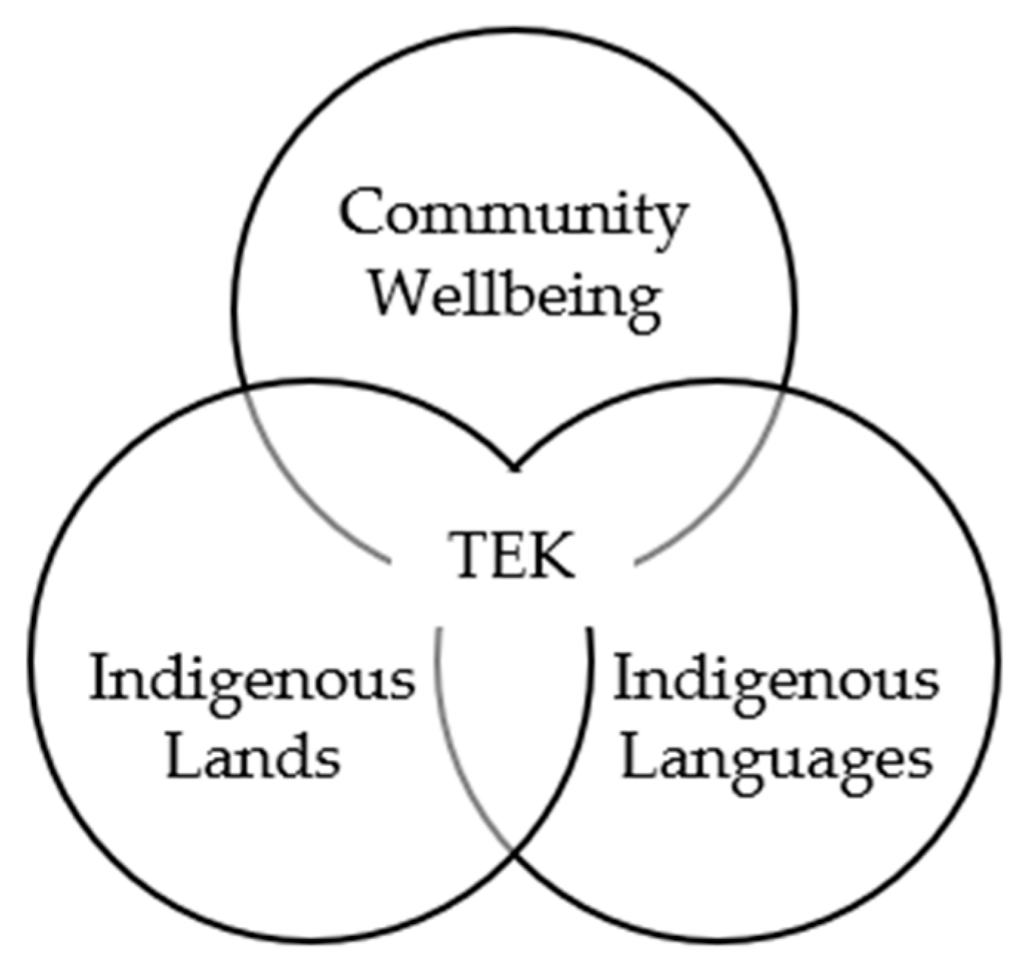
Through integrating Indigenous teachings, histories, and perspectives into our curriculum, we empower educators to create culturally responsive learning environments.
For all students, a decolonized curriculum provides a more accurate and complete understanding of the world. It equips them with the critical thinking skills to question dominant narratives and to appreciate the complexity of global issues. Understanding these foundational ideas is the first step toward building classrooms that are truly equitable and globally aware.
What is the best definition of Eurocentrism in an educational context?
The primary goal of decolonizing the curriculum is to erase European history and replace it with non-Western content.
By rethinking the stories we tell, we create a more honest and inclusive education for everyone.