Decoding Your Blood Work
Blood Panel Basics
Your Body's Report Card
A comprehensive blood panel is like a routine check-up for the inside of your body. Just as a mechanic looks under the hood of a car, a doctor uses a blood panel to get a snapshot of your overall health. This single blood draw provides a wealth of information about how your organs are functioning, your nutrient levels, and whether there are early signs of potential health issues.
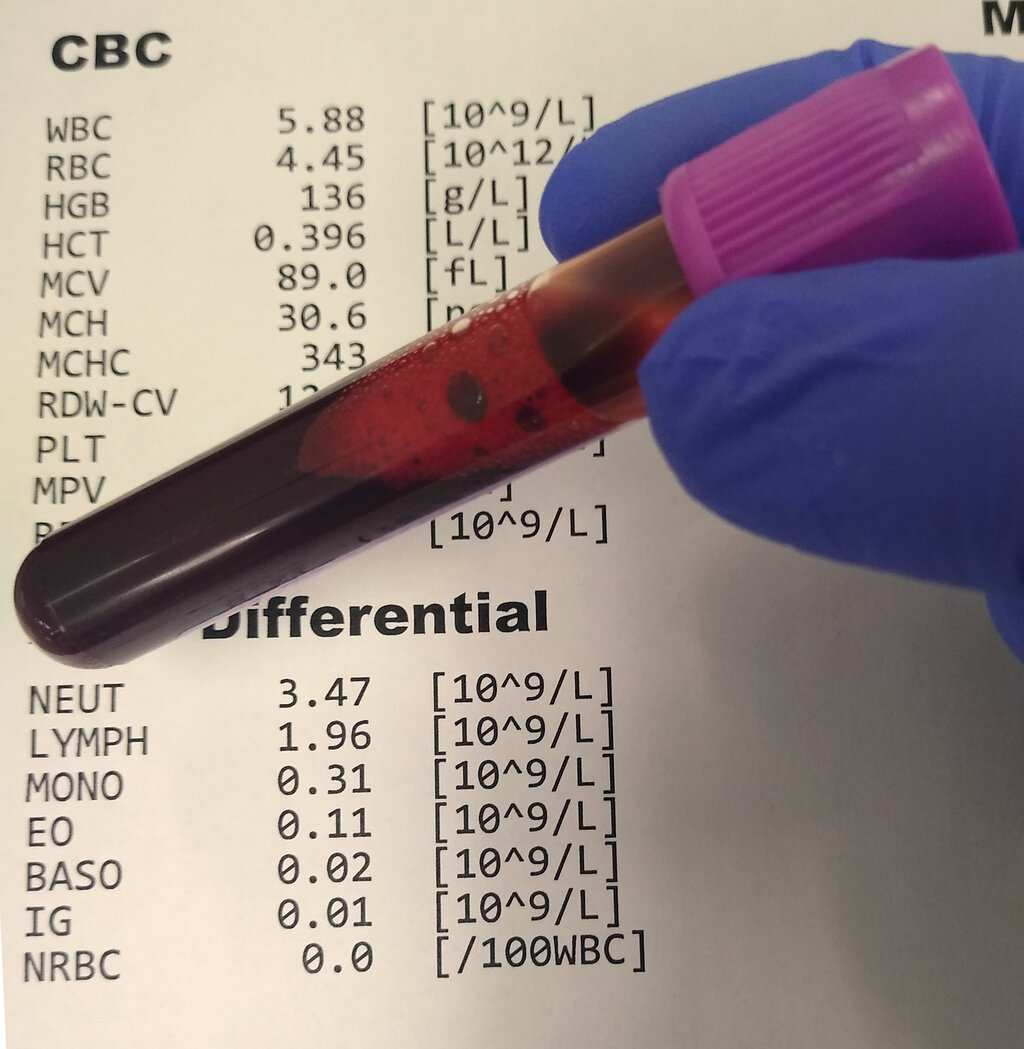
While the full report can seem complex, it’s usually built around three core tests: the Complete Blood Count (CBC), the Basic Metabolic Panel (BMP), and the Comprehensive Metabolic Panel (CMP). Let's break down what each one tells you.
The Complete Blood Count (CBC)
Think of the CBC as a census of the cells in your blood. It counts and examines the three main types of blood cells, giving doctors crucial information about your immune system, your body's ability to carry oxygen, and more.
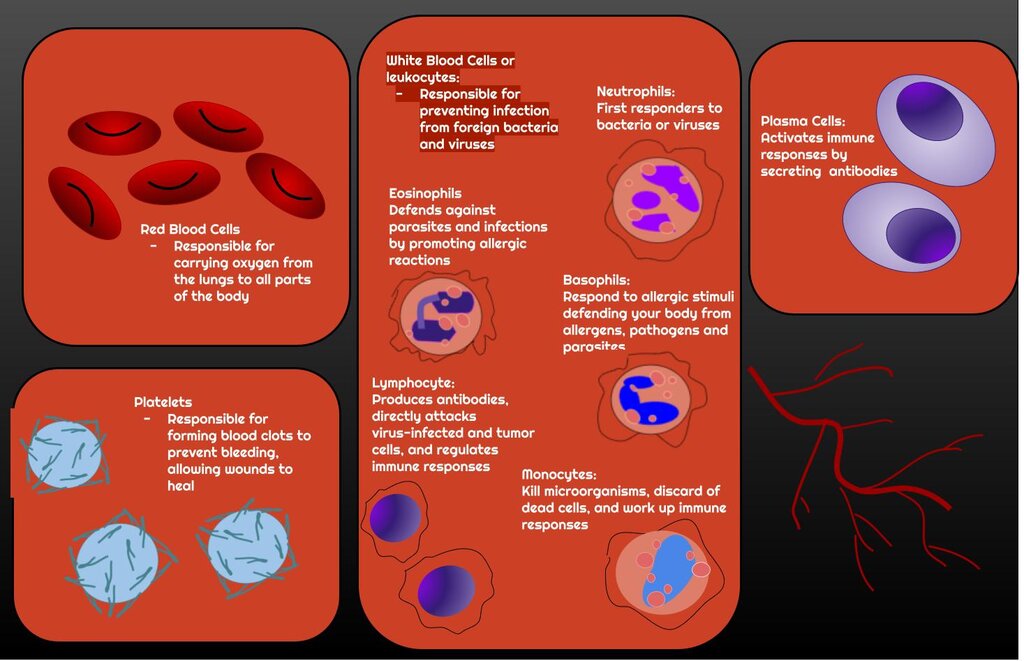
The key players measured in a CBC are:
- Red Blood Cells (RBCs): These are the oxygen carriers. A CBC measures their total number and looks at their size and shape. It also measures hemoglobin, the specific protein in red blood cells that binds to oxygen.
- White Blood Cells (WBCs): These are your immune system's soldiers. The test counts the total number of white blood cells. A high count can signal an infection, while a low count might indicate an issue with your immune system.
- Platelets: These tiny cells are essential for blood clotting. They rush to the site of an injury to form a plug and stop bleeding.
Hemoglobin
noun
A protein in your red blood cells that carries oxygen from your lungs to the rest of your body.
The Metabolic Panel
If the CBC is a cell census, the metabolic panel is a chemistry test. It measures various substances in your blood to check on the health of your metabolism and key organs, especially your kidneys and liver. There are two common versions.
The Basic Metabolic Panel (BMP) is a snapshot of your blood sugar, kidney function, and electrolyte balance.
A BMP typically measures eight different substances, including:
- Glucose: Your blood sugar. High levels can be a sign of diabetes.
- Calcium: A mineral vital for bone health, muscle function, and nerve signaling.
- Electrolytes: Sodium, potassium, and chloride, which are crucial for maintaining fluid balance and nerve function.
- Kidney function tests: Blood urea nitrogen (BUN) and creatinine are waste products filtered by your kidneys. Their levels indicate how well your kidneys are working.
The Comprehensive Metabolic Panel (CMP) includes everything in the BMP, plus additional tests for liver function.
The extra tests in a CMP give a broader picture of your health. They include proteins made by the liver, like albumin, and liver enzymes such as ALT and AST. Elevated liver enzymes can sometimes point to inflammation or damage to the liver.
Together, these tests form the foundation of a comprehensive blood panel. They provide a powerful, proactive tool for monitoring your health and catching potential problems before they become serious.