Decoding Your Birth Chart
Astrology Basics
The Language of the Stars
Astrology is a system that connects the positions of celestial bodies with events and personalities here on Earth. Think of it as a symbolic language. It doesn't claim that a planet millions of miles away physically causes you to have a bad day. Instead, it sees the solar system as a map of energies and patterns, and your birth chart as a snapshot of that map at the moment you were born.
This snapshot, often called a natal chart or birth chart, is like a cosmic blueprint of your potential, strengths, and challenges.
Astrology is the study of stars, planets and heavenly bodies, their position in the universe and their influence on mankind and human activities.
A Quick Trip Through Time
The roots of astrology stretch back thousands of years to ancient Mesopotamia. Early civilizations watched the skies to track seasons for farming and to find meaning in the celestial cycles. They were the first to map the constellations and connect planetary movements to earthly happenings.
This knowledge traveled to ancient Greece, where it was blended with philosophy and mathematics. The Greeks developed the zodiac system and the concept of the horoscope that are still central to astrology today. For centuries, astrology was considered a scholarly pursuit, intertwined with astronomy, medicine, and philosophy. It was a primary tool for understanding both the universe and the human place within it.
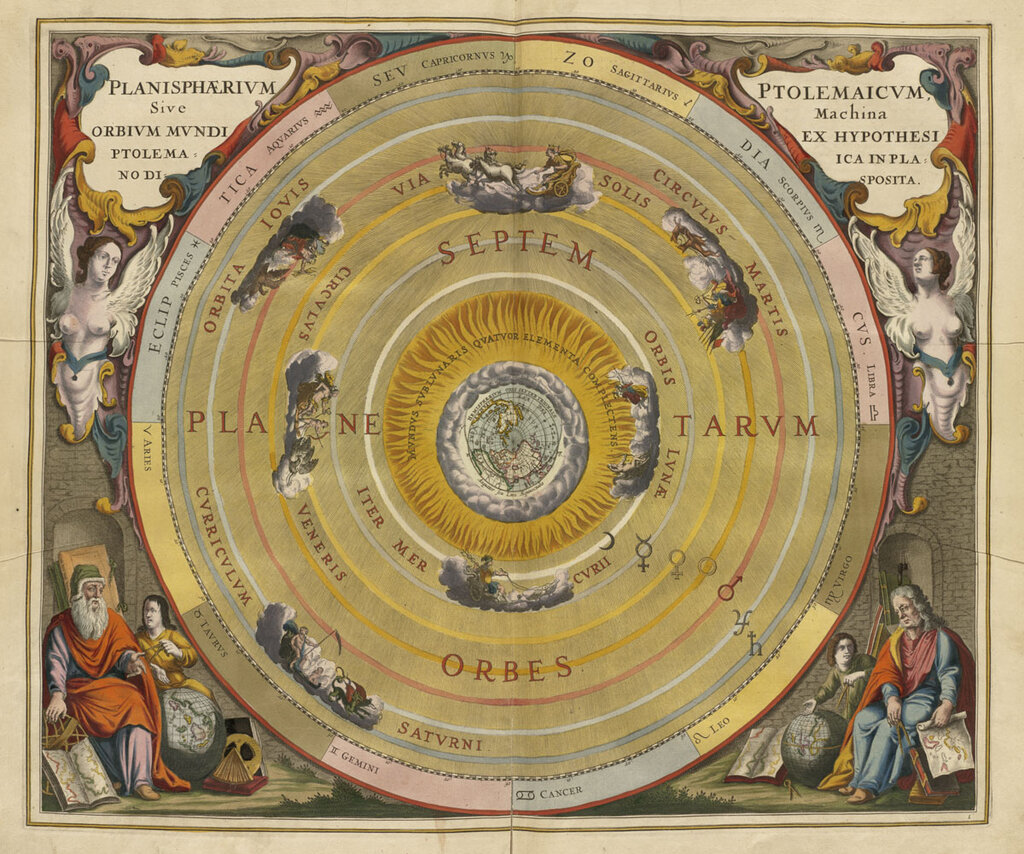
The Cosmic Players
To understand astrology, you need to know the key players. In traditional astrology, this includes the celestial bodies that are visible to the naked eye. Each one represents a different facet of human life and psychology.
While we know scientifically that the Sun is a star and the Moon is a satellite, in the symbolic language of astrology, they are often grouped with the planets. The Sun and Moon are called the “luminaries” and are the most significant personal points in a chart, representing your core identity and emotional world.
| Player | Symbol | Represents... |
|---|---|---|
| Sun | ☉ | Core identity, ego, vitality |
| Moon | ☽ | Emotions, instincts, inner self |
| Mercury | ☿ | Communication, thought, intellect |
| Venus | ♀ | Love, beauty, values |
| Mars | ♂ | Action, desire, energy |
| Jupiter | ♃ | Expansion, luck, philosophy |
| Saturn | ♄ | Structure, discipline, limitations |
These seven celestial bodies form the foundation of traditional astrology. While modern astrology incorporates the outer planets discovered more recently (Uranus, Neptune, and Pluto), understanding these classical seven is the first step to reading the cosmic map.
According to the provided text, what is the fundamental premise of astrology?
Which ancient civilization is credited with blending astrology with philosophy and mathematics to develop the zodiac system and horoscopes?
Now that you have a grasp of the fundamentals, you're ready to explore the other core components of astrology: the signs and the houses.