Decoding Upper-Level Syllabi
Understanding Syllabus Components
Your Course Roadmap
Think of your syllabus as a roadmap for the semester. It's the single most important document for any college course, laying out exactly what you'll be doing, what you'll need, and where you're going. Let's break down the key sections you'll find in almost every syllabus.
The Course Description
This is the course's elevator pitch. It’s a brief paragraph that gives you a big-picture view of the subject. It answers the fundamental question: "What is this class actually about?" You'll learn the main themes, the core questions you'll explore, and why the subject is important.
The course description provided by instructors is an essential piece of information as it defines what is expected from the instructor and what he/she is going to deliver during a particular course.
Reading this first helps you confirm the course is what you expected and sets the stage for everything that follows.
Learning Objectives
If the description is the "what," the learning objectives are the "why." This section lists the specific skills and knowledge you will have by the end of the course. These are usually written with action verbs.
Instead of just saying you'll learn about the Roman Empire, a learning objective might be, "You will be able to analyze the political factors that led to the fall of the Roman Republic." These objectives are your real takeaways from the class. They tell you what you should focus on and what you'll be expected to do on exams and assignments.
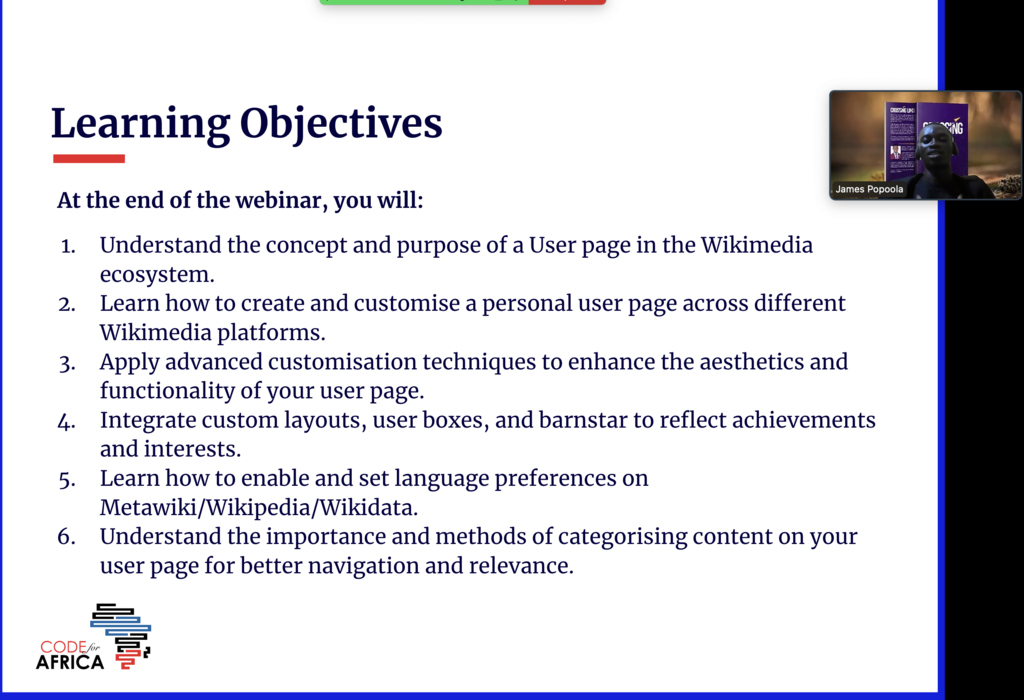
Keep these objectives in mind as you study. They provide a clear checklist of the abilities you're working to develop throughout the semester.
Required Materials
This section is your shopping list. It tells you exactly what you need to purchase or access for the course. Most commonly, this includes:
- Textbooks: Pay close attention to the required edition and author. Using the wrong version can cause confusion.
- Software: Some classes may require specific programs or subscriptions.
- Other supplies: This could be anything from a specific calculator for a math class to a lab coat for a science course.
It's a good idea to gather these materials before the first week of classes. You don’t want to fall behind because you're waiting on a book to arrive.
The Course Schedule
The schedule is the heart of the syllabus. It’s a week-by-week calendar of the entire semester. It maps out what topics will be covered, what reading you should do beforehand, and when major assignments and exams are due.
Plug these dates into your personal calendar right away. It's the best way to stay organized and avoid last-minute surprises.
This schedule helps you plan your time effectively. You can see busy weeks coming and prepare in advance. While instructors sometimes make small adjustments, the schedule gives you a reliable outline of how the course will unfold.
Learning outcomes should shape the course schedule.
Now let's test your understanding of these core syllabus components.
What is the primary purpose of the Course Description section in a syllabus?
If you want to know what you should be able to do by the end of a course, you should consult the Learning Objectives.
Reading your syllabus carefully at the start of the semester is one of the easiest and most effective ways to set yourself up for success.