Decoding the Zodiac
Origins of the Zodiac
The First Sky Watchers
For thousands of years, people have looked to the sky for answers. Long before telescopes, ancient civilizations tracked the movements of the Sun, Moon, and planets against the backdrop of the stars. They noticed that the Sun appeared to travel along a specific path in the sky throughout the year. This path is called the ecliptic.
The band of constellations that the Sun, Moon, and planets travel through is known as the zodiac. The idea of dividing this band into distinct signs began in ancient Mesopotamia, specifically with the Babylonians, around the first millennium BCE. They were meticulous astronomers, recording celestial events on clay tablets.
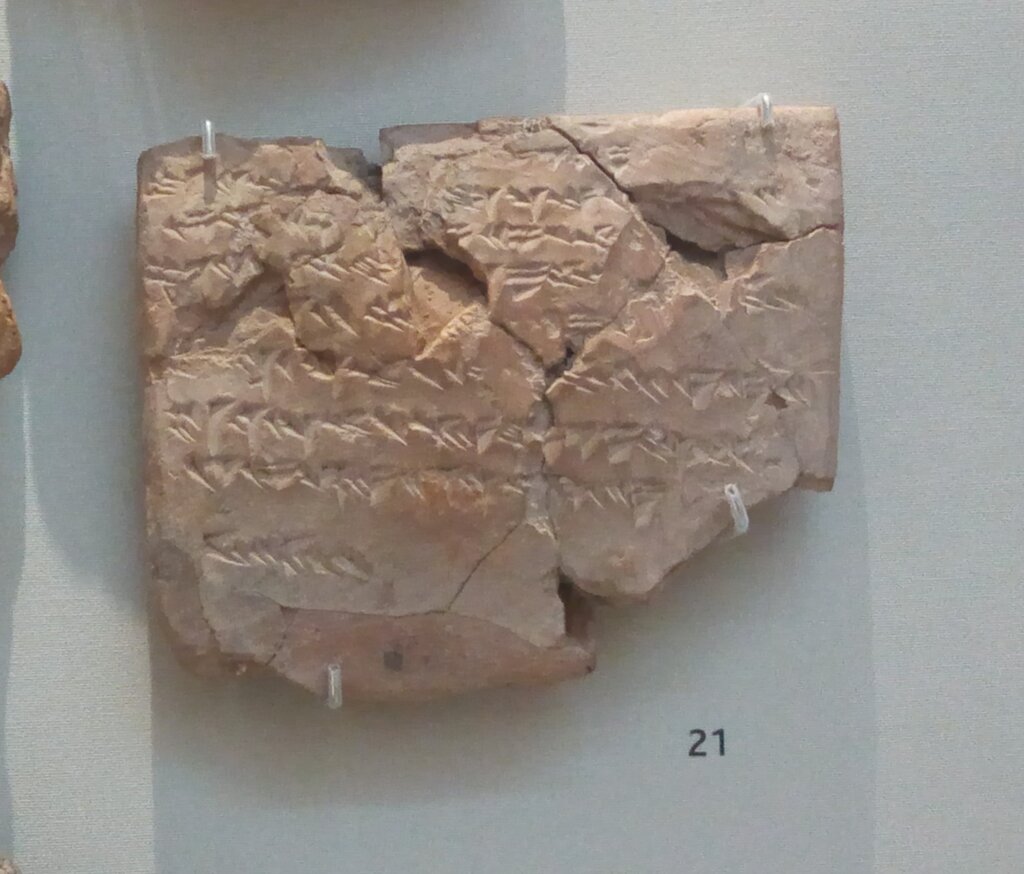
The Babylonians were the first to divide the zodiac into twelve equal parts, each spanning 30 degrees of the celestial sphere. Why twelve? It lined up nicely with their 12-month lunar calendar. Each month, the Sun would appear to pass through a different one of these twelve constellations. This system created a predictable framework for tracking time and celestial movements.
The Greek Touch
The Babylonian system laid the groundwork, but the zodiac we know today was heavily shaped by the ancient Greeks. After Alexander the Great's conquests in the 4th century BCE, Babylonian astronomical knowledge flowed into the Hellenistic world. Greek scholars adopted the twelve-part division but gave the constellations the mythological names that are still familiar to us, like Aries the ram and Leo the lion.
The Greeks elevated astrology, merging it with mythology and philosophy, and established the idea of astrology as a science of character, personality, and fate.
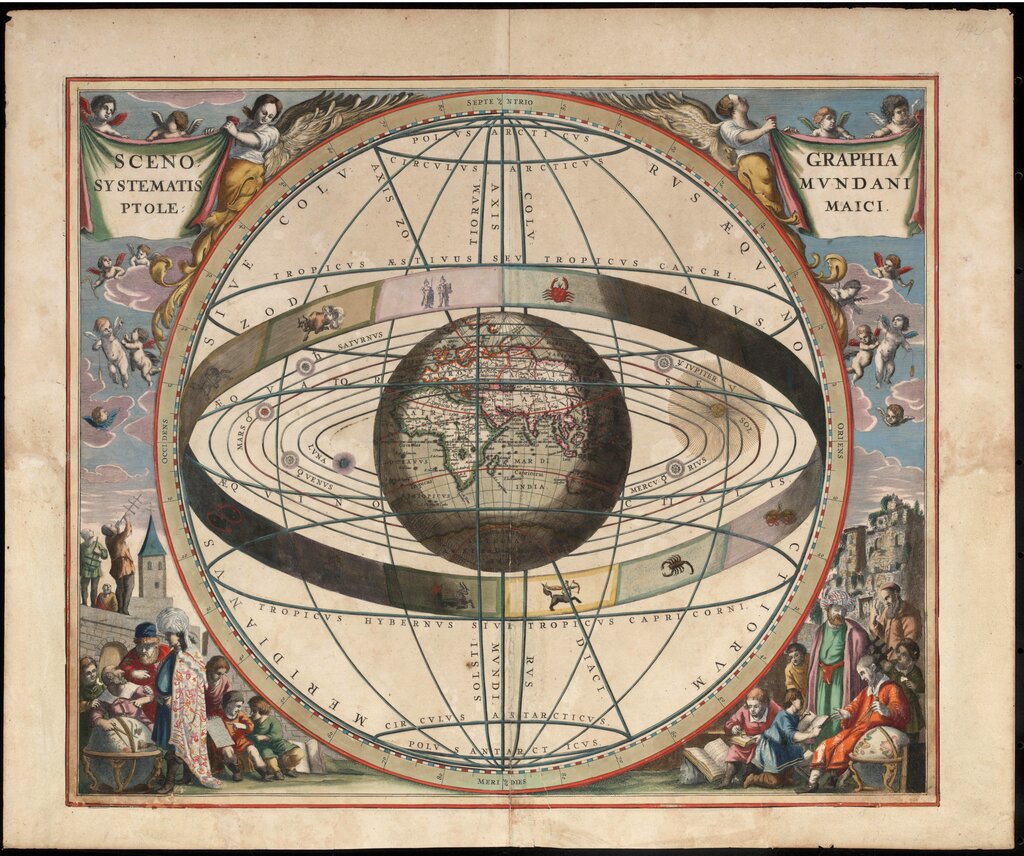
It was the Greco-Roman astronomer Claudius Ptolemy who truly solidified the Western zodiac system in the 2nd century AD. In his influential work, the Tetrabiblos, he detailed the planets, signs, and houses, creating a comprehensive text that became the foundation of Western astrology for over 1,500 years.
A Map of the Heavens
The twelve zodiac signs are essentially a celestial coordinate system. Each sign represents a 30-degree slice of the 360-degree ecliptic, creating a map of the sky. This system wasn't just for predicting someone's personality. In the ancient world, it had practical applications.
Astrology helped determine the best times for planting and harvesting crops, navigating at sea, and even practicing medicine. Different signs were believed to govern different parts of the body, a practice known as medical astrology.
The position of celestial bodies had the power to not only influence individual personalities, but also created the seasonal conditions ideal for a variety of tasks from planting crops to bloodletting.
One important astronomical detail is that the zodiac signs are now out of sync with the constellations they were named for. This is due to a slight wobble in the Earth's axis called precession. Over thousands of years, this has caused the constellations to drift from their original positions relative to the start of spring. The zodiac, however, remains a fixed system of twelve 30-degree segments tied to the seasons.
Let's check your understanding of how the zodiac came to be.
Which ancient civilization was the first to divide the zodiac into twelve equal 30-degree sections?
The apparent path that the Sun travels through the sky over the course of a year is known as the __________.
From Babylonian star charts to Greek philosophy, the zodiac is a system born from humanity's long fascination with the cosmos. It's a blend of astronomy, mythology, and a desire to find order in the heavens.