Decoding the French Balance Sheet
Introduction to French Accounting Standards
The French Accounting Rulebook
Accounting in France follows a highly structured and uniform system, largely dictated by a single, comprehensive framework. This framework is known as the Plan Comptable Général, or PCG. Think of it as the official rulebook that all French companies must use to record their financial activities. Its main purpose is to ensure that financial statements are consistent, transparent, and easily comparable from one company to another.
The PCG isn't a new idea. It was first established in 1947 as part of France's post-war economic reconstruction efforts. The goal was to standardize accounting to help the government better understand the national economy. This legalistic approach contrasts with the more flexible, principle-based systems found in countries like the U.S. or the U.K.
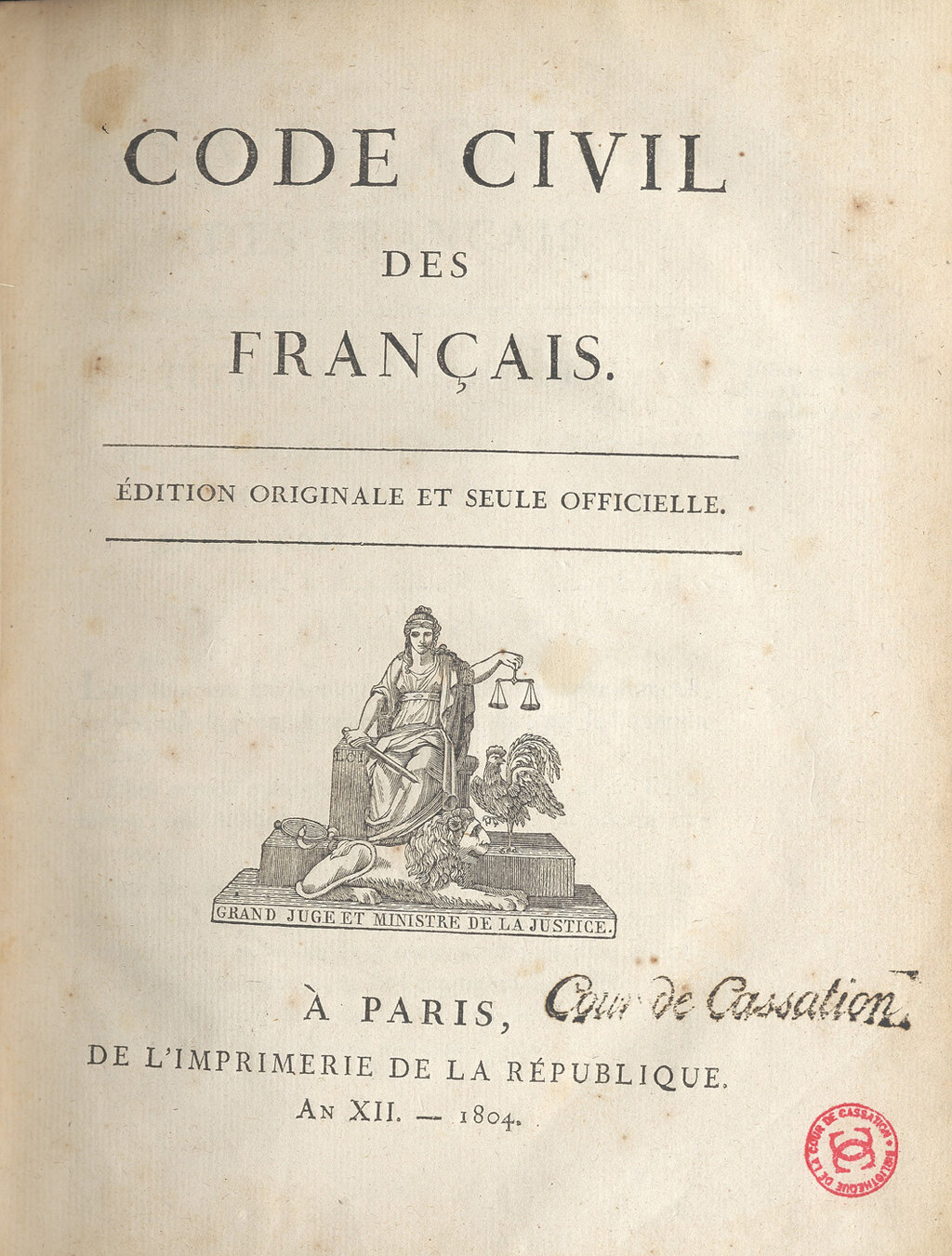
The legal basis for the PCG is rooted in the French Commercial Code. The primary regulatory body responsible for maintaining and updating these standards is the Autorité des Normes Comptables (ANC). The ANC ensures that French accounting rules evolve while still meeting the country's specific legal and tax requirements.
How the PCG is Structured
The core of the PCG is its standardized chart of accounts. Every possible transaction a business might have is assigned a specific account number. This rigid structure dictates how financial information is categorized and presented. The accounts are organized into eight main classes, each serving a distinct purpose.
Classes 1 through 5 are used for the balance sheet (le bilan). Classes 6 and 7 are for the income statement (le compte de résultat). Class 8 is for special accounts, like commitments.
| Class | Account Type | Financial Statement |
|---|---|---|
| 1 | Equity and Liabilities | Balance Sheet |
| 2 | Fixed Assets | Balance Sheet |
| 3 | Inventory | Balance Sheet |
| 4 | Third-Party Accounts | Balance Sheet |
| 5 | Financial Accounts | Balance Sheet |
| 6 | Expenses | Income Statement |
| 7 | Revenues | Income Statement |
Each class is then broken down into more detailed sub-accounts. For example, within Class 6 (Expenses), account 60 is for purchases, 601 is for raw material purchases, and so on. This decimal system allows for a high degree of precision and uniformity in financial reporting.
French GAAP vs. IFRS
While many countries have adopted International Financial Reporting Standards (IFRS), France maintains its own set of rules, often called French GAAP. Listed companies in France must prepare consolidated financial statements using IFRS, but their individual company accounts must still follow the PCG.
There are several key differences between the two systems.
GAAP
noun
Stands for Generally Accepted Accounting Principles. It refers to the common set of accounting rules, standards, and procedures issued by the financial accounting standards board.
The most fundamental difference is philosophical. IFRS is a "principles-based" system, offering general guidelines that require professional judgment. French GAAP, rooted in the PCG, is "rules-based." It provides specific, detailed instructions for almost every situation, leaving less room for interpretation. This often stems from a legal tradition that prioritizes predictability and the protection of creditors.
Another major difference lies in the valuation of assets. IFRS allows for the regular revaluation of assets like property and equipment to their fair market value. French GAAP is much more conservative, generally sticking to historical cost and only permitting revaluation under very specific, regulated circumstances.
The presentation of financial statements also differs. The PCG mandates a specific format for the balance sheet and income statement, right down to the order of the accounts. IFRS allows for more flexibility in presentation, as long as certain key components are included.
What is the official name of the comprehensive accounting framework that all French companies must use to record their financial activities?
Which statement best describes the fundamental difference between the French accounting system (PCG) and International Financial Reporting Standards (IFRS)?
Understanding the PCG is the first step to navigating French financial documents. Its structured, rule-based nature is a defining feature of the country's business environment.