Decoding the Facebook Algorithm
Introduction to Social Media Algorithms
The Curators of Your Feed
When you open a social media app, you're not seeing a simple, chronological list of every post from every account you follow. Instead, you see a carefully arranged feed, tailored just for you. This is the work of a social media algorithm.
Think of it like a personal DJ for your online world. This DJ pays attention to the songs you skip, the ones you replay, and the artists you love. Over time, it learns your taste and starts playing more of what you want to hear. Social media algorithms do the same thing, but with content.
Algorithm
noun
A set of rules or instructions a computer follows to solve a problem or complete a task. In social media, its main task is to decide what content to show you and in what order.
The primary goal of any social media platform is to keep you engaged. They want you to spend more time on their app—scrolling, liking, commenting, and sharing. Why? Because the more time you spend, the more ads you see, and that's how these platforms make money. The algorithm's job is to make your feed so interesting that you don't want to leave.

What Feeds the Algorithm
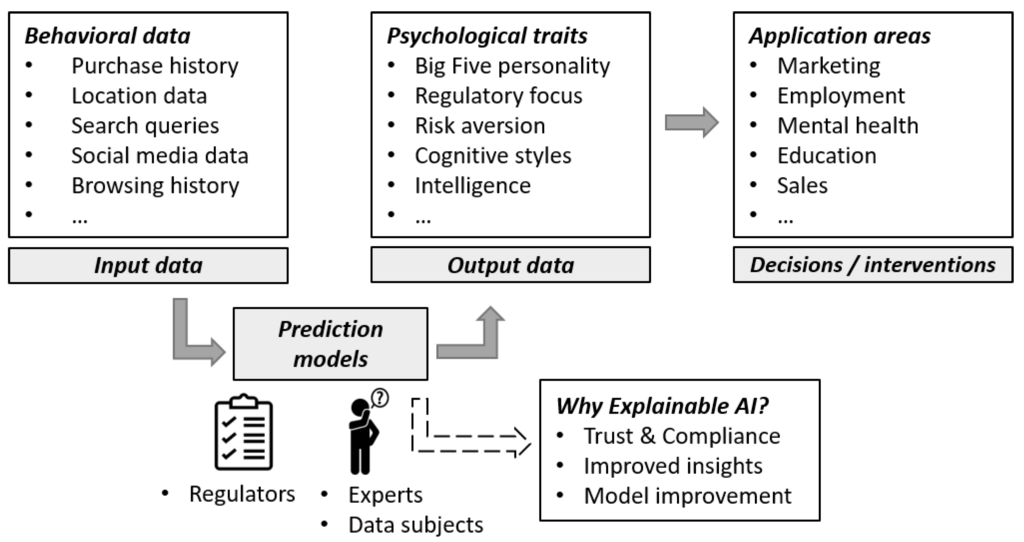
So, how does the algorithm decide what you see? It analyzes thousands of data points, but they generally fall into a few key categories. The most important one is your own behavior.
-
Engagement: This is the most powerful signal. Posts that you actively interact with—by liking, commenting, sharing, or saving—tell the algorithm you found them valuable. It will then show you more content like it. Even passively lingering on a video or photo for a few extra seconds is a form of engagement that the algorithm tracks.
-
Relevance: The algorithm looks at the topics of the content. If you frequently interact with posts about hiking, it will start showing you more content related to hiking, even from accounts you don't follow. It learns your interests from your activity.
-
Relationship: You're more likely to see posts from friends, family, and accounts you interact with frequently. The algorithm prioritizes content from sources it thinks you care about most.
-
Recency: Newer content is usually given a boost. Platforms want to show you what's happening now, so fresh posts often get priority over older ones.
Your actions teach the algorithm what you want to see. Every like, share, and comment is a vote for more of that type of content.
A Feed Built for One
By combining all these factors, the algorithm creates a personalized content feed that is unique to you. No two users see the exact same thing. This process of personalization is continuous. The algorithm is always learning from your latest interactions to refine what it shows you next.
This is why your "For You" page feels like it knows you so well. It’s a reflection of your own habits, interests, and relationships, curated in real-time.
This powerful system means you have more control over your feed than you might think. Engaging with positive or educational content can lead to seeing more of it. On the other hand, interacting with negative or sensational content, even just to disagree in the comments, tells the algorithm you're interested. It doesn't distinguish between positive and negative engagement—it just sees engagement.
Before you click, comment, or like, think about how that’s going to affect the kinds of things algorithms will feed you in the future, and how that relates to your goals for using these platforms.
Now, let's test your understanding of how these powerful curators work.
What is the primary goal of a social media algorithm?
Which of the following is considered the most powerful signal you can send to an algorithm?