Decoding the 10-K for Investors
Introduction to Form 10-K
What is a Form 10-K?
Publicly traded companies in the U.S. can't just operate in secret. They have a legal duty to share information with the public, and one of the most important ways they do this is by filing a Form 10-K each year. The 10-K is a comprehensive report filed annually with the U.S. Securities and Exchange Commission (SEC). It gives a detailed picture of a company’s financial health and business operations over the past year.
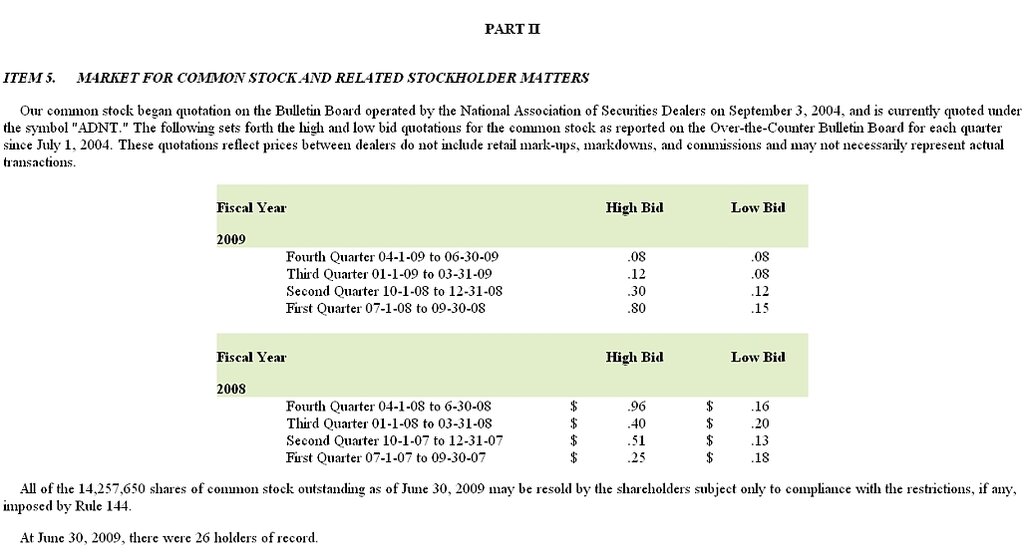
For investors, the 10-K is essential reading. It's often the most reliable and thorough source of information about a company. While a company’s own annual report might be full of glossy photos and optimistic letters from the CEO, the 10-K is a formal document with strict requirements. It contains the audited financial statements, a discussion of business risks, and management's own analysis of the company's performance. Reading it helps investors look past the marketing and understand the real state of the business.
Think of the 10-K as a company’s official, detailed report card for the year. It's designed to give investors the facts they need to make informed decisions.
The Anatomy of a 10-K
A 10-K report is lengthy and detailed, but it follows a standard structure divided into four main parts. This organization helps investors find specific information quickly.
| Part | Content | Description |
|---|---|---|
| Part I | Business | Describes the company’s operations, products, services, and markets. It also covers risk factors and any legal proceedings. |
| Part II | Financial Information | This is the heart of the report, containing the company's audited financial statements: the income statement, balance sheet, and statement of cash flows. It also includes management's discussion of the results. |
| Part III | Directors and Executives | Provides information about the company's leadership, executive compensation, and corporate governance. |
| Part IV | Exhibits and Signatures | Contains additional documents, like company bylaws or material contracts, and the required signatures from company executives, certifying the report's accuracy. |
Each part gives a different lens through which to view the company, from the day-to-day business to the high-level financials and leadership structure.
10-K vs. Other Filings
Companies file several reports with the SEC, and it's easy to get them confused. The Form 10-K is the big one, filed once a year.
Its shorter cousin is the Form 10-Q, a quarterly report that provides an unaudited financial update every three months. It's less detailed than the 10-K but keeps investors informed throughout the year.
Another common filing is the Form 8-K. This isn't a regular report. Instead, a company files an 8-K to announce major events that shareholders should know about right away, such as a merger, bankruptcy, or a change in senior leadership.
Understanding these different reports helps you know what kind of information to expect. For a quick update, you might look at a 10-Q. For a major event, an 8-K is your source. But for the most complete annual picture, the 10-K is the definitive document.
What is the primary purpose of a company's annual Form 10-K filing?
A publicly traded company experiences a major factory fire that will significantly impact its production capabilities. Which SEC form would it file to notify investors of this event?