Decoding Super Anthropomorphism
Introduction to Anthropomorphism
The World in Our Image
We have a natural tendency to see ourselves in the world around us. We see faces in clouds, scold our computers for being stubborn, and talk to our pets as if they understand every word. This impulse to give human traits to non-human things has a name.
Anthropomorphism
noun
The attribution of human traits, emotions, or intentions to non-human entities.
It's a way of making sense of the world. By projecting our own minds and emotions onto animals, objects, or even gods, we make them more relatable and understandable. This isn't a modern quirk; it's one of the oldest storytelling tools we have, embedded deep in our history and culture.
Gods, Myths, and Fables
Ancient cultures used anthropomorphism to explain the unexplainable. The gods of Greek mythology weren't distant, abstract forces. They were characters with very human flaws: Zeus was unfaithful, Hera was jealous, and Ares was hot-tempered. Giving them these traits made their actions and the natural phenomena they controlled feel more like a divine family drama than random chaos.
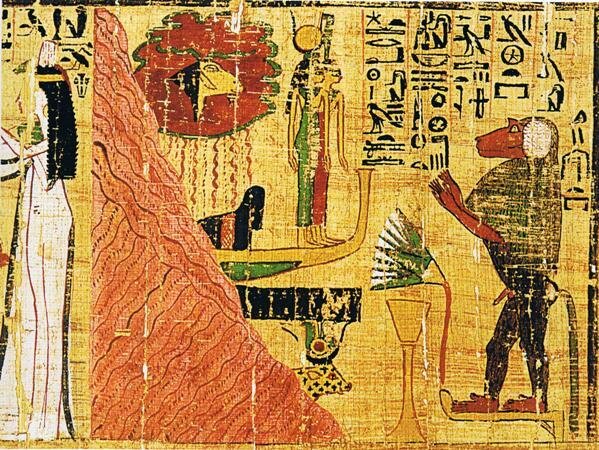
This pattern appears across the globe. In ancient Egypt, many deities were depicted with human bodies and animal heads, combining human-like intelligence and emotion with the specific powers of an animal, like the wisdom of a baboon or the protective fury of a lion.
Folk tales and fables rely heavily on this concept. In Aesop's fables, a tortoise's persistence and a fox's cunning are not just animal instincts; they are human-like virtues and vices. These stories use talking animals to teach us about our own behavior, making the moral lessons easier to digest and remember.
Modern Storytelling
The tradition continues in modern literature and art. From the political pigs in George Orwell's Animal Farm to the brave toys in Toy Story, we are surrounded by non-human characters who think, feel, and struggle just like us. This allows creators to explore complex ideas from a safe distance or simply to create a world that sparks our imagination.
By giving human traits to the non-human, we create a mirror. It helps us understand complex ideas and see our own world in a new light.
This powerful tool bridges the gap between our experience and the unknown. Whether it’s an ancient god hurling lightning bolts or a cartoon mouse steering a steamboat, anthropomorphism connects us to the stories we tell.
Ready to check your understanding?
What is the term for the practice of attributing human traits, emotions, and intentions to non-human entities?
According to the text, why did ancient cultures give their gods human-like flaws and personalities?
Understanding anthropomorphism is the first step to seeing how it has evolved into more specific forms in different cultures and media.