Decoding Streaming Media Trends
Introduction to Streaming Services
From Tapes to Tabs
Not long ago, enjoying media was a physical activity. You’d flip a vinyl record, slide a VHS tape into a VCR, or carefully place a CD in a player. Your collection was limited by your budget and the space on your shelf. If you wanted to watch a specific movie, you had to buy it, rent it from a store, or wait for it to air on television.
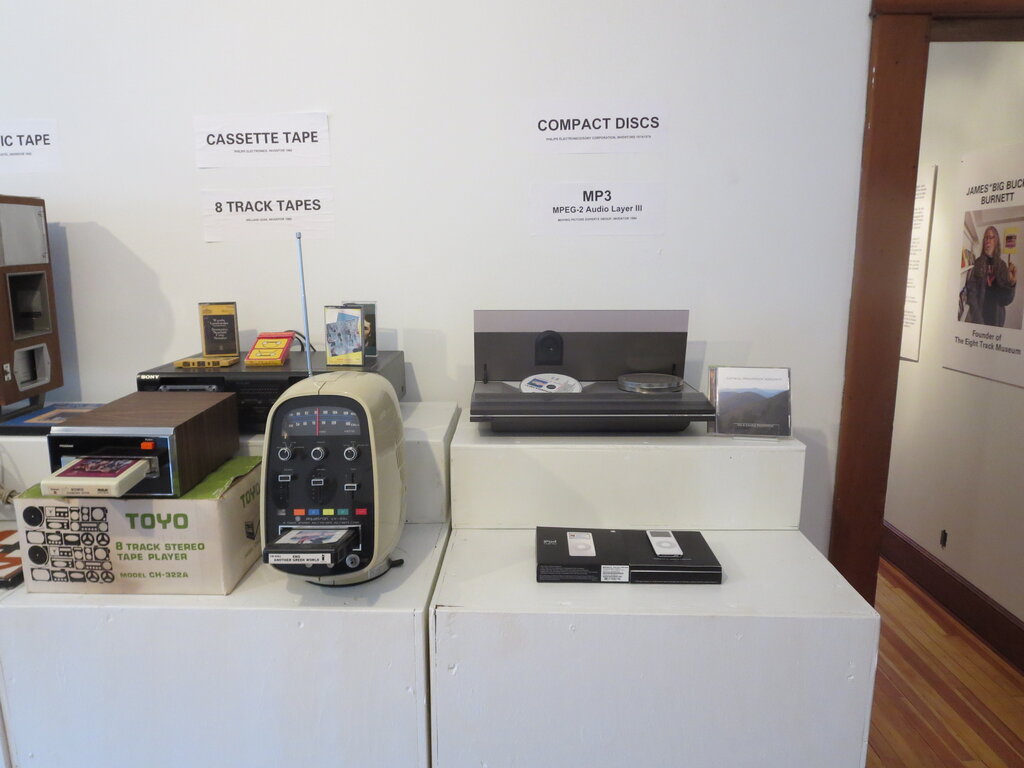
The internet changed everything. At first, it was about downloading files, which was slow and legally murky. But as internet speeds improved, a new idea took hold: streaming. Instead of waiting for a massive file to download, content could be sent to your device in a continuous stream, ready to play almost instantly.
This technological leap paved the way for on-demand entertainment. The need for physical media began to fade, replaced by digital libraries accessible from anywhere with an internet connection.
The On-Demand Revolution
Streaming fundamentally altered how we consume content. The old model of “appointment viewing,” where you had to be on your couch at 8 PM on a Thursday to catch your favorite show, became optional. With services like Netflix, entire seasons became available at once, giving rise to the cultural phenomenon of binge-watching.
Music experienced a similar shift. Platforms like Spotify replaced the need to buy individual albums or songs. For a flat monthly fee, you gained access to a seemingly endless catalog of music from artists all over the world. This subscription model became the new standard.
Suddenly, you didn't have to own a movie to watch it, or buy an album to hear it. You just needed a subscription and an internet connection.
This shift gave consumers unprecedented control. We could watch what we wanted, when we wanted, and where we wanted. The power moved from the broadcasters and studios to the viewers and listeners. This convenience and choice became the defining features of the new media landscape.
The media landscape is fundamentally transformed by streaming and on-demand consumption.
A Crowded Field
While Netflix and Spotify were pioneers, they weren't alone for long. The success of the streaming model attracted competition. Today, the market is filled with a wide array of services catering to different tastes and needs.
In video, you have giants like Hulu, Amazon Prime Video, Disney+, and HBO Max, each offering a mix of licensed content and exclusive original programming. In music, Apple Music and Amazon Music compete directly with Spotify. There are also niche services that focus on specific genres, like jazz on Qwest TV or classic films on the Criterion Channel.
This explosion of choice has transformed entertainment into a utility, much like electricity or water. It’s always on, always available, and deeply integrated into our daily lives through our phones, TVs, and computers.
What was a primary limitation of media consumption before the widespread adoption of the internet?
Which term describes the cultural phenomenon of watching multiple episodes of a series in rapid succession, enabled by streaming services?