Decoding Streaming Business Models
Introduction to Streaming Services
The Shift to Streaming
Not long ago, watching a movie meant buying a ticket at a theater, renting a DVD, or waiting for it to air on cable TV. Listening to a new album involved buying a CD or a digital download. Your choices were limited by store inventories and broadcast schedules.
Then, high-speed internet became widespread, changing everything. Instead of owning a physical copy, you could now access a massive library of content on demand. This is the core of streaming: getting media delivered to your device in real-time from the internet.
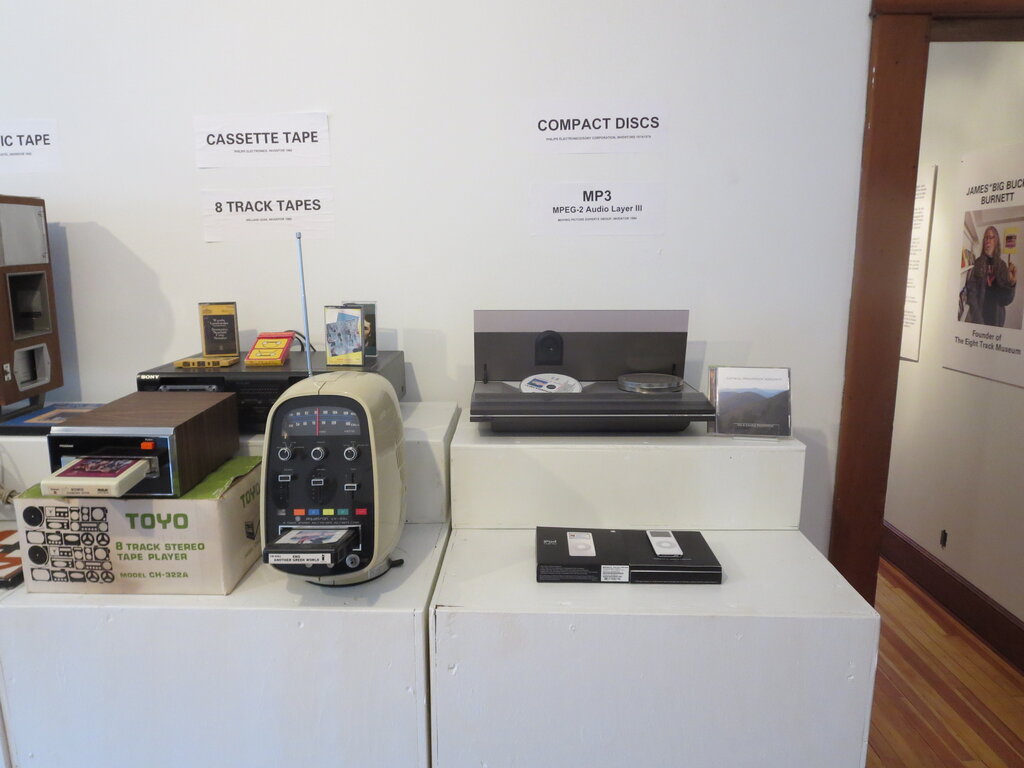
Think of it like switching from a personal library to a public one. With a personal library, you own a limited number of books. With a public library card, you gain access to thousands of books you could never own yourself. Streaming services are like massive, digital public libraries for movies, shows, and music.
The Streaming Landscape
Today, a handful of major players dominate the streaming world. For video, names like Netflix, Hulu, and Disney+ are the modern-day television networks. They offer vast catalogs of films and TV series, including original content you can't find anywhere else.
In the music world, Spotify and Apple Music have replaced record stores and radio for many listeners. These services provide access to millions of songs, playlists, and podcasts. While the names are different, the idea is the same: instant access to a huge variety of content.
How It All Works
Most streaming services operate on a subscription model. You pay a flat fee each month or year for unlimited access to their entire library. This is often called SVOD, or Subscription Video on Demand. Some services offer free, ad-supported tiers, where you watch commercials in exchange for access, much like traditional television.
It's a common misconception that services like Netflix or Spotify own all the content they provide. In reality, they license much of it from different studios and record labels. A license gives the service the right to stream a movie or album for a specific period. This is why you might see a favorite show disappear from a platform—the licensing agreement expired.
Licensing deals are complex and constantly changing, which is why content libraries are always in flux.
Perhaps the most powerful tool in a streaming service's toolkit is data. Every time you watch, listen, pause, or skip, the platform takes note. This data feeds powerful algorithms that learn your tastes and predict what you might enjoy next. It’s how they generate personalized recommendations, like Spotify's "Discover Weekly" playlist or Netflix's "Top Picks for You" row.
This data doesn't just shape your experience; it shapes the future of content. By analyzing what millions of users are watching or listening to, these companies make informed decisions about which new shows to produce or which artists to promote.
This cycle of action, data, and personalization is what makes modern streaming feel so intuitive and engaging. Now, let's test your knowledge on these foundational concepts.
What is the core concept of media streaming?
Why might a TV show that was available on a streaming service last month be gone today?
Understanding these basics—the shift to on-demand access, the key players, and the business and technology models they use—is the first step to seeing the full picture of the modern media landscape.