Decoding Streaming Business Models
Introduction to Streaming Services
The Age of On-Demand
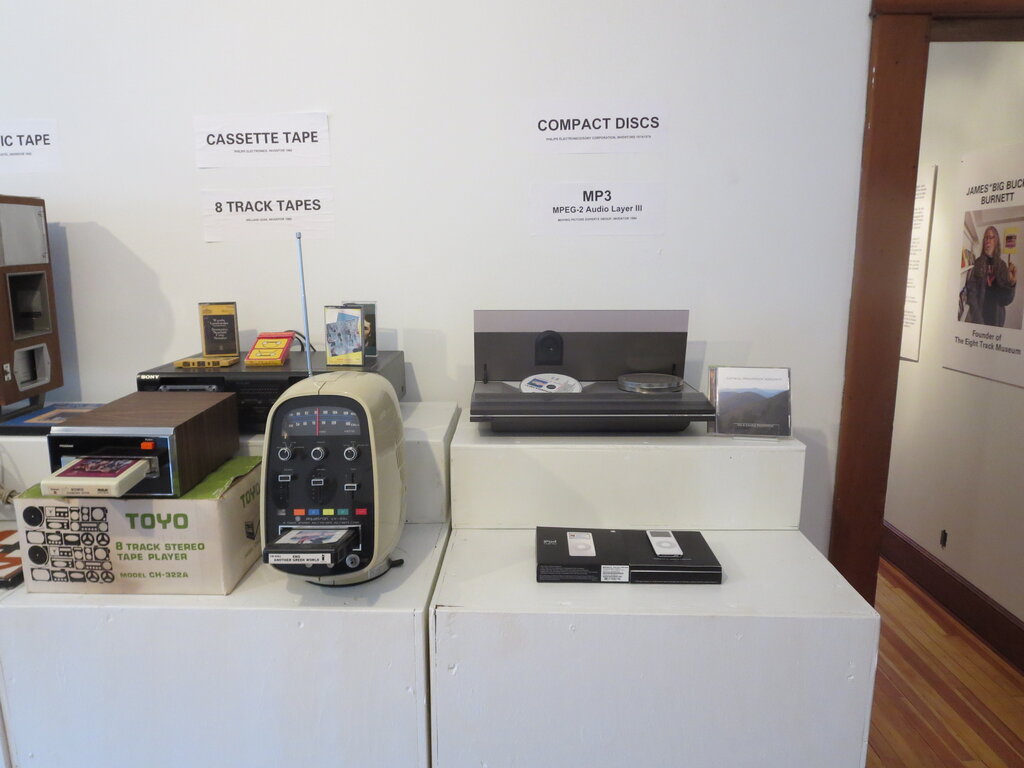
Not long ago, watching a movie meant a trip to the video store. Listening to a new album involved buying a CD or a cassette tape. Your entertainment choices were tied to physical objects and rigid schedules. If you missed your favorite TV show, you had to wait for a rerun.
The internet changed everything. As connections got faster and more reliable, a new idea took hold: what if you could access a huge library of movies, shows, or songs instantly, whenever you wanted? This is the core concept of streaming.
Streaming
noun
A method of transmitting or receiving data (especially video and audio) over a computer network as a steady, continuous flow, allowing playback to start while the rest of the data is still being received.
Instead of owning a copy of a movie or song, you're essentially renting access to it from a vast digital library. This shift from ownership to access has fundamentally reshaped how we consume media.
Two Pioneers
Two companies in particular led this transformation. The first, Netflix, began as a DVD-by-mail service. It cleverly solved the problem of late fees at video stores. But its founders saw that the future was not in shipping plastic discs, but in sending data over the internet. In 2007, they launched their streaming service, and the world of television and movies was never the same.
Around the same time, a Swedish startup called Spotify was tackling the music industry. Music piracy was rampant, and the industry was struggling. Spotify offered a compelling alternative: a massive, legal catalog of music available for a flat monthly fee. It was convenient, affordable, and comprehensive.
Both Netflix and Spotify popularized the subscription model. This simple idea—paying a fixed amount each month for unlimited access—was revolutionary. It changed consumer expectations and behavior dramatically.
A New Kind of Consumer
The subscription model had a profound impact. Suddenly, the cost of trying something new was zero. You didn't have to spend $15 on a CD you might not like, or $20 on a movie ticket for a film that might be a dud. You could sample anything and everything. This encouraged discovery and broadened tastes.
It also introduced the concept of "binge-watching." Instead of waiting a week for the next episode, viewers could watch an entire season of a show in a single weekend. This changed storytelling, as creators could craft more complex, serialized narratives knowing the audience could follow along at their own pace.
This shift wasn't just about convenience. It was about control. Viewers and listeners were no longer passive recipients of what broadcasters decided to air. They became curators of their own entertainment, building playlists and watchlists tailored to their exact preferences.
The media landscape is fundamentally transformed by streaming and on-demand consumption.
This new model put the power directly into the hands of the consumer, creating a more personalized and flexible media environment than ever before.