Decoding Startup Stock Options
Introduction to ESOPs
From Employee to Owner
Imagine working for a company where your hard work not only earns you a paycheck but also a piece of the business itself. That's the core idea behind an Employee Stock Ownership Plan, or ESOP. It's a special type of employee benefit plan that gives workers an ownership interest in their company.
An Employee Stock Ownership Plan (ESOP) is a retirement plan that allows employees to become partial owners of the company they work for.
The main goal is to align the interests of employees with those of the company's shareholders. When employees are also owners, they have a direct stake in the company's success. Better company performance can lead to a higher stock value, which in turn increases the value of the employees' own shares. This creates a powerful incentive for everyone to contribute to the company's growth and profitability.
How ESOPs Work
Setting up an ESOP involves a few key steps. First, the company creates a legal entity called an ESOP trust. This trust is established for the sole benefit of the company's employees.
Next, the company contributes either new shares of its own stock or cash to the trust to buy existing shares. Often, the trust will borrow money to purchase a large block of shares from the company or its owners. This loan, known as a leveraged ESOP, is then repaid by the company over time through contributions to the trust.
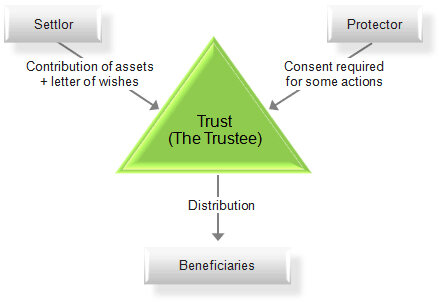
Once the trust holds the shares, it allocates them to individual employee accounts. Think of it like a 401(k), but instead of cash, the account holds company stock. The allocation is typically based on a formula, often considering an employee's salary relative to total payroll. These shares aren't given to employees all at once; they vest over time, just like other forms of equity compensation.
The Ownership Culture
ESOPs do more than just provide a retirement benefit. They foster what's known as an "ownership culture." When employees have a tangible stake in the business, it can transform their perspective. They're more likely to think like owners, paying closer attention to efficiency, quality, and long-term strategy.
This approach is surprisingly common in the United States. Thousands of companies across various industries, from small manufacturing firms to large grocery chains, are structured as ESOPs. For many private business owners, an ESOP also provides a way to sell their company to the people who helped build it, ensuring its legacy continues.
Now, let's test your understanding of how ESOPs work.
What is the primary goal of an Employee Stock Ownership Plan (ESOP)?
In the context of an ESOP, what is the role of the 'trust'?
By turning employees into owners, ESOPs create a unique and powerful business model.