Decoding Startup Stock Options
Introduction to ESOPs
What Is an ESOP?
An Employee Stock Ownership Plan, or ESOP, is a special type of employee benefit plan. Think of it as a retirement account, similar to a 401(k), but with a unique twist: instead of investing in a mix of market stocks and bonds, it invests primarily in the stock of the company you work for. This makes employees part-owners of the business.
An Employee Stock Ownership Plan (ESOP) is a retirement plan that allows employees to become partial owners of the company they work for.
The main purpose of an ESOP is to align the interests of employees with the interests of the company. When the company does well and its stock value increases, the value of the employees' retirement accounts also goes up. This creates a powerful incentive for everyone to work towards the company's success. For business owners, ESOPs can also provide a flexible way to sell their company while preserving its legacy and rewarding the people who helped build it.
How ESOPs Work
The structure of an ESOP might sound complex, but the basic idea is straightforward. A company sets up a trust fund, which is legally separate from the company itself. The company then contributes either new shares of its own stock or cash to the trust. If it contributes cash, the trust uses that money to buy existing shares from the company's owners.
Once the stock is in the trust, it's allocated to individual accounts for each eligible employee. You don't get all your shares at once, though. Your right to them is determined by a process called vesting.
Vesting
noun
The process by which an employee accrues non-forfeitable rights over employer-provided assets, such as stock options or retirement funds, over a specified period of time.
Vesting is essentially an earning-out period. A company might have a "cliff" vesting schedule, where you become 100% vested after a specific period, like three years. If you leave before then, you forfeit the stock. More commonly, companies use a "graded" schedule, where you might get 20% of your allocated stock each year for five years. Once you are fully vested, you have a right to the value of that stock. When you leave the company or retire, you receive your vested shares, which the company typically buys back from you in cash.
Benefits for Everyone
ESOPs offer a unique set of advantages for both employees and their employers.
For employees, the most obvious benefit is the opportunity to build wealth and save for retirement at no personal cost. Since the company funds the plan, you gain an ownership stake without buying shares yourself. This fosters a sense of shared purpose and can lead to higher job satisfaction and motivation. Knowing that your hard work directly impacts your own retirement account is a powerful feeling.
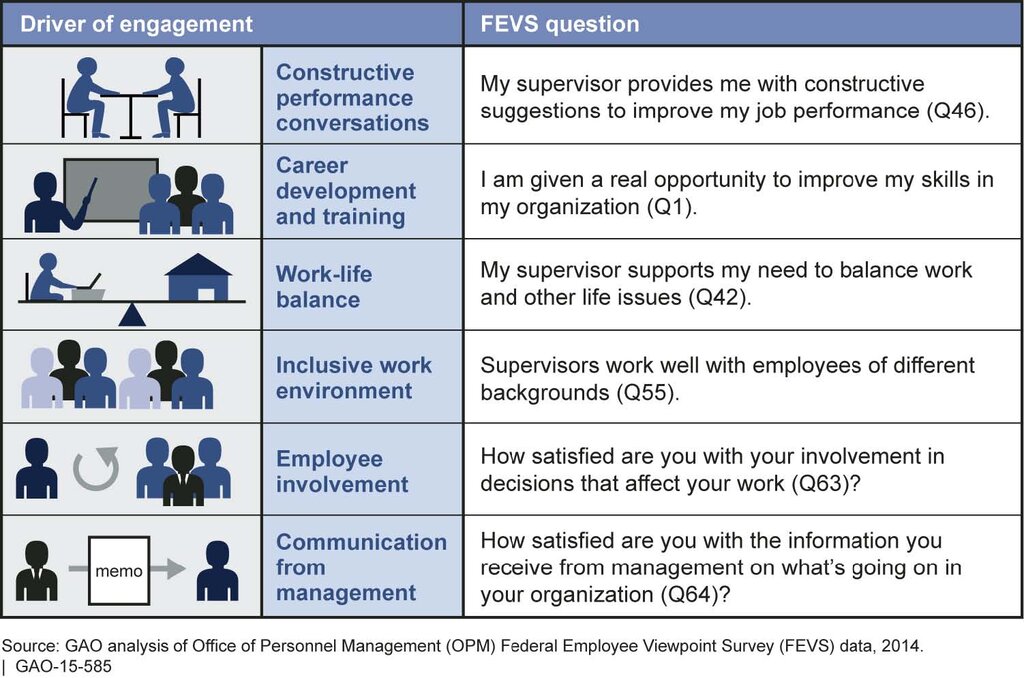
For companies, ESOPs are a great tool for attracting and retaining talent. Offering an ownership stake can be more appealing than a simple salary increase. It helps create a loyal and engaged workforce, which often translates into better performance and lower turnover. ESOPs also provide significant tax advantages for the company and offer a stable succession plan for owners looking to retire.
The Rules of the Road
Because they are qualified retirement plans, ESOPs are governed by federal laws. The most important one is the Employee Retirement Income Security Act of 1974 (ERISA). This law sets minimum standards for most voluntarily established retirement and health plans in private industry to provide protection for individuals in these plans.
ERISA ensures that the plan is managed for the sole benefit of the participants. It establishes rules about who must be allowed to participate, how long they have to work to become vested, and how the plan's assets are managed and valued. These regulations provide a crucial layer of security, making sure the ESOP is operated fairly and transparently for all employee-owners.
What is the primary investment of an Employee Stock Ownership Plan (ESOP)?
The process by which an employee earns the right to their allocated company shares over a period of time is called ______.
ESOPs offer a unique path to employee ownership and retirement savings. By turning employees into owners, they create a powerful link between individual effort and company success.