Decoding Scientific Papers
Scientific Paper Structure
The Anatomy of a Research Paper
Scientific papers can feel intimidating, but they aren't random collections of facts. Nearly all of them follow a consistent structure. Once you understand this blueprint, you can read any paper more efficiently, knowing exactly where to find the information you need.
Most academic research papers follow a standard framework, often summarized as IMRaD: Introduction, Methods, Results, and Discussion.
Let's break down each part of this structure, piece by piece.
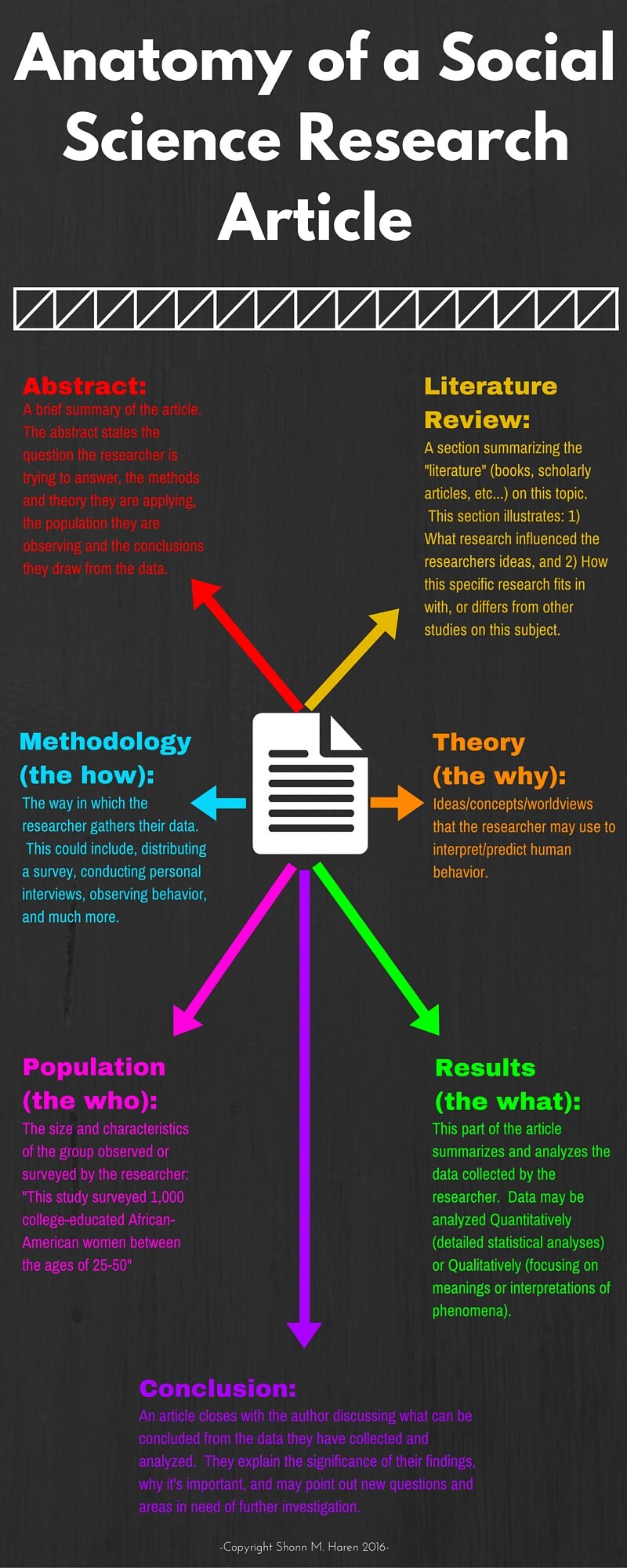
First Look: Abstract and Introduction
Before diving into the main body of a paper, you'll encounter two key sections that set the stage.
Abstract
noun
A brief, comprehensive summary of the contents of the article.
The abstract is your first stop. It’s a dense paragraph right at the beginning that summarizes the entire study: the question, the methods, the main findings, and the conclusion. It’s designed to give you a complete overview in just a few hundred words. Reading it first helps you decide if you should invest time in reading the full paper.
Think of the abstract as the trailer for a movie. It gives you the key plot points so you can decide if you want to watch the whole thing.
Next is the Introduction. This section answers the question, "Why did the researchers do this study?" It starts broad by providing background on the topic, explaining what is already known. Then, it narrows down to identify a specific gap in knowledge or an unanswered question. The introduction ends by stating the study's specific goal, research question, or hypothesis.
The Core: Methods, Results, Discussion
The middle of the paper contains the essential details of the research itself. This is the IMRaD structure in action.
| Section | Purpose | Key Question Answered |
|---|---|---|
| Methods | Explains how the research was conducted. | What did you do? |
| Results | Presents the data and findings objectively. | What did you find? |
| Discussion | Interprets the results and explains their meaning. | What does it all mean? |
The Methods section is the recipe for the study. It provides a detailed description of the procedures, tools, and participants involved. The goal is to be so clear that another researcher could, in theory, replicate the experiment. This transparency is crucial for scientific credibility.
The Results section presents the data collected during the study. It’s a straightforward, objective report of the findings. You'll often see data presented in tables, charts, and graphs. This section just states what was found, without any interpretation or speculation about its meaning.
That interpretation happens in the Discussion. Here, the authors explain what their results mean. They connect their findings back to the research question from the introduction, compare them with previous studies, and acknowledge any limitations of their own work. It's where the story of the research comes together.
Wrapping Up
Finally, the paper ties everything together.
The Conclusion is a short, final summary. It recaps the main findings and their importance. It answers the "So what?" question one last time, often suggesting directions for future research. In some shorter papers, the conclusion might be integrated into the end of the Discussion section.
After the main text, you'll find the References section, which is a list of all the other papers and sources cited in the article. This allows readers to find the works that the authors built upon.
Understanding this structure turns reading a scientific paper from a confusing task into a systematic process. You now have the map to navigate the world of academic research.
Ready to check your understanding?
What is the primary purpose of the Abstract in a scientific paper?
In which section would you find an interpretation of the data and a comparison of the findings with previous studies?
Knowing these sections gives you a powerful tool for efficiently extracting information from scientific literature.