Decoding Scientific Literature
Understanding Scientific Papers
Decoding the Scientific Paper
Reading a scientific paper for the first time can feel like trying to read a new language. The text is dense, the charts are complex, and the vocabulary is specialized. But there's good news: most scientific papers follow a predictable formula. Once you understand this structure, you can navigate them with confidence.
This standard format is often called IMRaD, which stands for Introduction, Methods, Results, and Discussion. Think of it as a roadmap that guides you through the researcher's journey, from the initial question to the final conclusion.
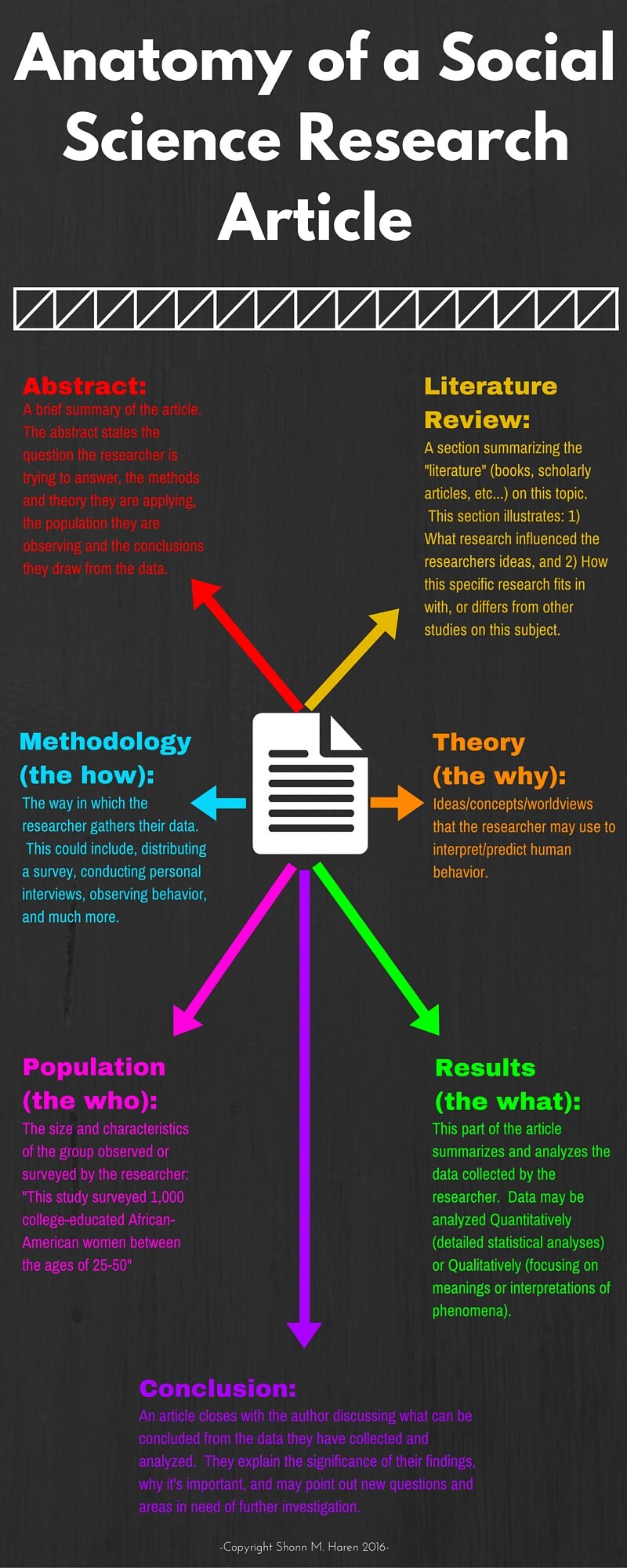
The Anatomy of a Paper
Let's break down the typical sections of a research article. Knowing what to expect in each part will help you find the information you need quickly.
The Abstract is a short summary of the entire paper. It's usually the first thing you'll read. It quickly tells you the study's purpose, key findings, and main conclusion. Use the abstract to decide if the paper is relevant to your interests before committing to reading the whole thing.
The Introduction sets the stage. It answers the question, "Why was this study done?" It starts with broad background information on the topic, narrows down to the specific gap in current knowledge, and ends by stating the research question or hypothesis the authors set out to investigate.
Next is the Methods section. This is the technical part of the paper that explains exactly how the research was conducted. It details the procedures, equipment, and materials used. The goal is to provide enough information for another scientist to replicate the study. You might skim this section on your first read unless you're very interested in the experimental details.
The Results section presents the findings of the study, purely and simply. It reports the data the researchers collected, often using tables, graphs, and figures. This section is all about the facts; it states what was found, without any interpretation or explanation of what it means. That comes next.
Finally, the Discussion section is where the authors interpret the results. It answers the question, "What does it all mean?" Here, they'll explain their findings, connect them back to the original research question, and discuss how they fit in with what is already known. They will also acknowledge any limitations of their study and suggest directions for future research.
| Section | Purpose | Key Question |
|---|---|---|
| Introduction | Provides background and states the research question. | Why did they do it? |
| Methods | Describes the experimental procedure. | How did they do it? |
| Results | Presents the findings without interpretation. | What did they find? |
| Discussion | Interprets the results and discusses implications. | What does it mean? |
The Gatekeepers of Science
Before a scientific paper is published in a reputable journal, it goes through a crucial quality control process.
Peer Review
noun
A process where a study is scrutinized by other experts in the same field before it is published.
During peer review, independent scientists, or "peers," evaluate the manuscript. They assess the validity of the research methods, the soundness of the conclusions, and the overall importance of the work. They provide feedback to the authors, who then revise the paper to address the reviewers' concerns.
This process acts as a filter, helping to ensure that published research is accurate, credible, and contributes meaningfully to science. While not perfect, peer review is a cornerstone of academic scholarship. It helps maintain the standards of a scientific field and builds a foundation of trusted knowledge.
What does the acronym IMRaD stand for in the context of a scientific paper's structure?
In which section of a scientific paper would you typically find a detailed description of the experimental procedures and equipment used?
Now that you understand the basic layout and quality controls behind scientific papers, you're better equipped to start exploring them yourself.