Decoding Scientific Literature
Scientific Paper Structure
The Anatomy of a Research Paper
Scientific papers can feel intimidating, but they aren't as complicated as they look. Most follow a standard structure that makes them predictable and easier to navigate once you know the layout. This format helps you find the information you need quickly, whether you're looking for the main conclusion or the specific details of an experiment.
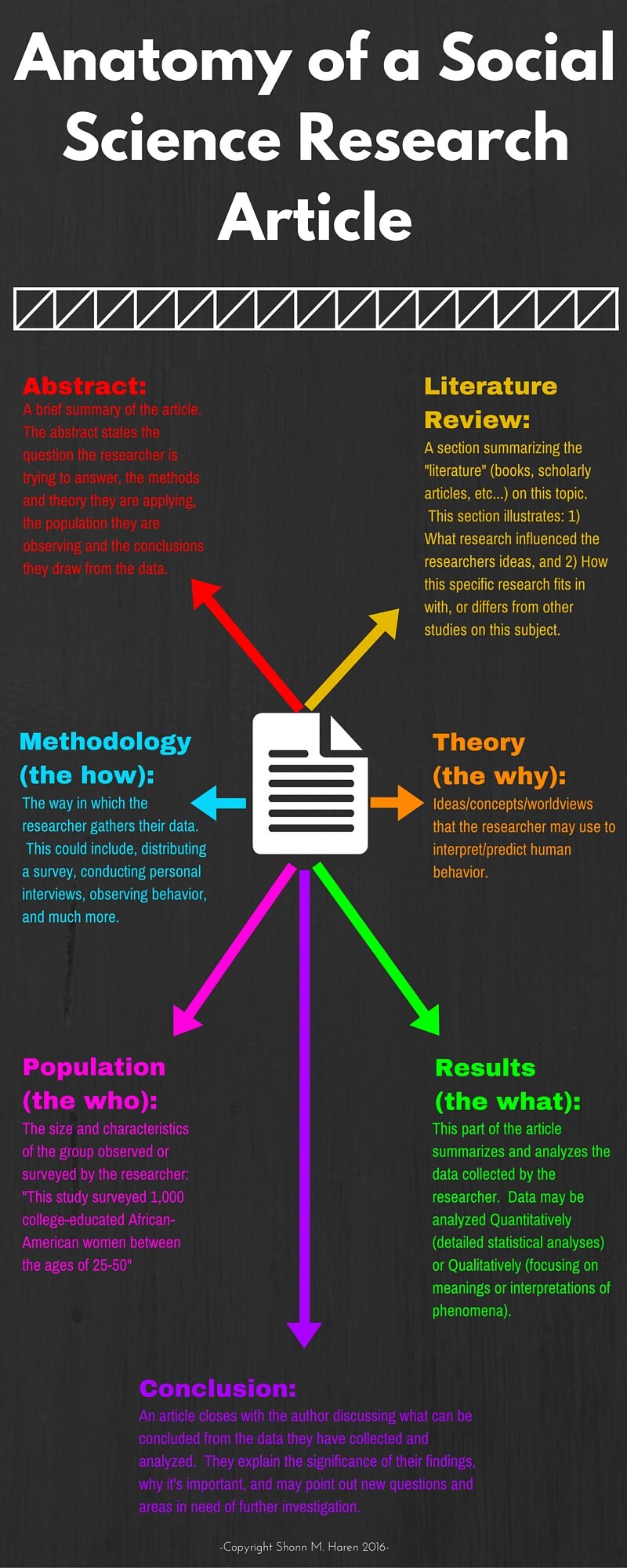
Think of it as a blueprint. Each section has a specific job to do. Let's walk through the key parts, starting with the one you should always read first.
The Abstract: A Quick Summary
The abstract is a short, powerful paragraph right at the beginning of the paper. Its purpose is to summarize the entire study in about 200-300 words.
It briefly covers the study's background, the methods used, the most important findings, and the authors' main conclusion. Reading the abstract first is a crucial time-saver. It helps you decide if the full paper is relevant to your interests without having to read all 20 pages.
The abstract is your first stop. It tells you the paper's story in a nutshell.
The Core Sections: IMRaD
After the abstract, you'll find the main body of the paper. Most research articles in the sciences and social sciences follow a structure known as IMRaD: Introduction, Methods, Results, and Discussion. Each section answers a different question.
| Section | Question It Answers |
|---|---|
| Introduction | Why did they do the study? |
| Methods | How did they do the study? |
| Results | What did they find? |
| Discussion | What does it all mean? |
Let's break down what you'll find in each part.
When you begin reading a scientific research article, you'll want to remember that each section of the article has a distinct purpose.
Introduction The introduction sets the stage. It starts broad by explaining the background of the topic and then narrows down to the specific problem the researchers are addressing. It tells you what is already known about the subject and points out a gap in the current knowledge. The introduction ends by stating the research question or hypothesis and briefly outlining the authors' approach.
Methods The methods section is the recipe of the study. It provides a detailed description of how the research was conducted. This includes who or what was studied (e.g., human participants, animal models, cell cultures), what materials were used, and the step-by-step procedures of the experiment.
A well-written methods section should contain enough detail for another scientist to replicate the study. This transparency is a cornerstone of the scientific process, as it allows others to verify the findings.
Results This section presents the findings of the study, and nothing more. It's a straightforward, objective report of the data that was collected. The results are often shown in figures, tables, and graphs, with accompanying text that walks the reader through the key findings.
Importantly, this section does not interpret the findings. It just states what they are. For example, it might say "Group A's average score was 25% higher than Group B's," without explaining why that might be.
Discussion Here's where the authors interpret the results. The discussion section explains what the findings mean and connects them back to the research question posed in the introduction. The authors will typically summarize their main findings, explain how their results fit in with (or contradict) previous research, and discuss the limitations of their study.
This section often concludes by suggesting the broader implications of the work and proposing directions for future research. It’s where the data gets turned back into a story.
The Final Piece
Finally, every research paper ends with a crucial component: the references section.
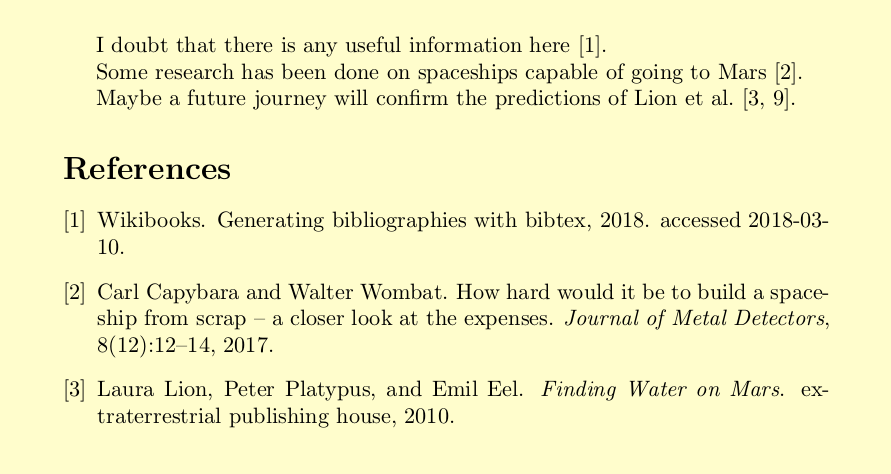
The References (or Bibliography) section is a list of all the sources the authors cited in the paper. This includes other research articles, books, and reports that were mentioned in the introduction and discussion.
This list gives credit to other researchers and allows you to find the original sources for yourself. If you find a paper particularly interesting, its reference list can be a great starting point for finding more articles on the same topic.
Now that you know the standard layout, let's test your understanding of what goes where.
If you want to quickly determine if a scientific paper is relevant to your interests, which section should you read first?
The acronym IMRaD, a common structure for scientific papers, stands for:
Understanding this common structure is the first step to reading scientific literature efficiently and critically. It provides a roadmap, helping you navigate complex topics with confidence.