Decoding Scientific Literature
Understanding Scientific Papers
The Anatomy of a Research Paper
Scientific papers can seem intimidating, but they follow a surprisingly predictable pattern. Think of it like a blueprint. Once you understand the structure, you can navigate any paper with confidence. This standard format helps researchers communicate their findings clearly and efficiently.
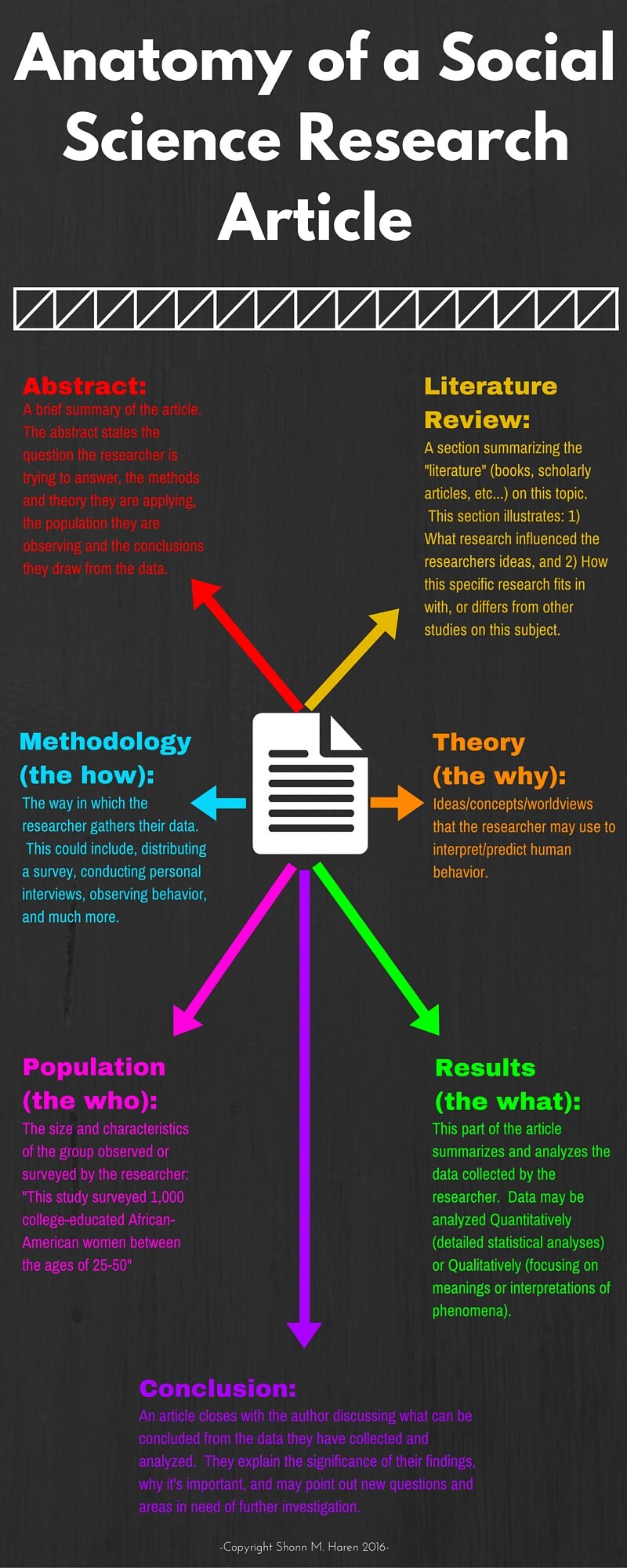
Before we dive into the main sections, let's start at the very beginning: the abstract. The abstract is a short summary of the entire paper. It's the first thing you should read to quickly understand the research question, the methods used, the key results, and the main conclusion. It helps you decide if the full paper is relevant to your interests.
To begin your research paper reading journey effectively, prioritize reading the abstract first.
The IMRAD Structure
The core of most scientific papers is built around a four-part structure known as IMRAD. This acronym stands for Introduction, Methods, Results, and Discussion. Each section answers a specific question, telling a logical story from start to finish.
| Section | Question it Answers |
|---|---|
| Introduction | Why did you start? |
| Methods | What did you do? |
| Results | What did you find? |
| Discussion | What does it mean? |
Let's break them down.
The Introduction sets the stage. It provides the background information needed to understand the study, explains why the research is important, and clearly states the research question or hypothesis the authors are investigating. It funnels from broad context down to the specific focus of the paper.
The Methods section is the recipe. It describes exactly how the study was conducted. This part needs to be detailed enough for another scientist to replicate the experiment. It includes information on the participants, materials, and procedures used.
The Results section presents the findings of the study, plain and simple. It reports the data collected without any interpretation or explanation. You'll often find tables, graphs, and figures here to display the data clearly.
Finally, the Discussion is where the authors interpret the results. They explain what their findings mean, how they relate back to the original research question, and how they fit in with what is already known about the topic. This section also addresses any limitations of the study and may suggest directions for future research.
The IMRAD format tells a complete research story: why the study was done, how it was done, what was discovered, and what the discovery means.
Many papers end with a Conclusion, which is often the final paragraph of the Discussion. This part provides a concise, take-home message, summarizing the most important findings and their implications. It gives you the main points without all the detailed explanation.
Now that you understand the basic layout, let's test your knowledge.
What is the primary purpose of the 'Abstract' in a scientific paper?
If a scientist wanted to repeat an experiment described in a paper, which section would be the most critical for them to consult?
Knowing the IMRAD structure transforms reading a scientific paper from a puzzle into a process. You know exactly where to look for the information you need.