Decoding Scientific Literature
Understanding Scientific Papers
The Anatomy of a Research Paper
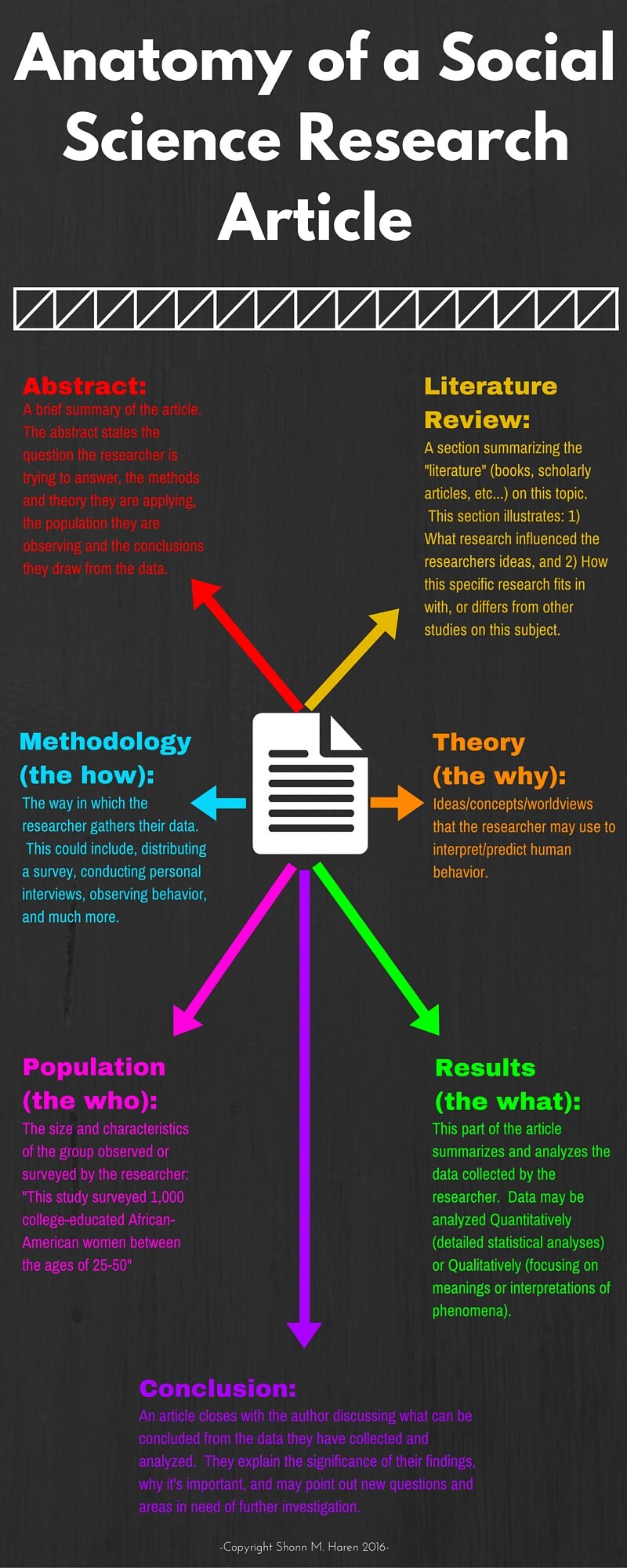
Scientific papers can look intimidating. They're often dense with specialized language and complex data. But once you understand their basic structure, they become much easier to navigate. Most research articles follow a logical pattern that tells a story, from the initial question to the final conclusion.
Most academic research papers follow a standard framework, often summarized as IMRaD: Introduction, Methods, Results, and Discussion.
This IMRaD structure is the backbone of most scientific writing. It’s a framework that organizes the research into a clear, linear narrative. Let’s break down what each section does.
Introduction: Setting the Stage
The Introduction answers the question, "Why did the researchers do this study?" It starts broad by providing the necessary background information on the topic. Think of it as a quick summary of what the scientific community already knows. This part is often called the literature review.
Then, it narrows its focus to identify a specific gap in that knowledge, a problem that hasn't been solved, or a question that remains unanswered. Finally, it clearly states the goal of the current study. Often, this is formulated as a specific, testable statement.
Hypothesis
noun
A precise, testable statement about the expected outcome of a study. It's a proposed explanation made on the basis of limited evidence as a starting point for further investigation.
By the end of the Introduction, you should understand the context of the research and exactly what the authors set out to discover.
Methods: The Recipe
The Methods section explains how the researchers conducted their study. This section is all about the details. It should be written with enough clarity and precision that another scientist could replicate the experiment exactly.
Here you'll find information about:
- The participants or subjects (e.g., people, animals, cells).
- The equipment and materials used.
- The step-by-step procedure of the experiment or data collection.
- The statistical techniques used to analyze the data.
Think of the Methods section as the recipe for the study. Every ingredient and every step should be clearly listed.
You don't always need to understand every single detail in this section, especially if the techniques are highly specialized. The main goal is to grasp the overall experimental design and assess whether the approach was sound.
Results and Discussion
These last two sections present the findings and then explain what they mean. They are distinct but deeply connected.
Results: What Was Found?
The Results section presents the findings of the study in a direct, objective way. It reports the data. You'll often see tables, graphs, and charts here, accompanied by text that points out the key findings.
Crucially, this section should not include interpretation or speculation. It's a straightforward presentation of the facts and figures as they were observed. The authors are just showing you what they found, not telling you what it means yet.
Discussion: What Does It All Mean?
This is where the interpretation happens. The Discussion section circles back to the question posed in the Introduction and explains how the results help answer it. Authors will summarize their main findings, explain how they fit in with (or contradict) previous research, and acknowledge any limitations of their study.
This section also looks to the future. Researchers often suggest what the next steps should be or what new questions their findings have raised. It's the part of the paper where the authors can step back and reflect on the broader implications of their work.
In short: Results are what the data say. Discussion is what the data mean.
Before you dive in, there's usually one more key part right at the beginning.
Abstract
noun
A brief, comprehensive summary of the contents of the article. It allows readers to quickly survey the study's purpose, methods, results, and conclusions.
Understanding this IMRaD structure transforms how you read scientific literature. Instead of a wall of text, you see a logical story unfold, making it easier to find the information you need and critically evaluate the research.
Now, let's test your understanding of how these sections work together.
What is the primary purpose of the Introduction section in a scientific paper?
In which section would you find a detailed, step-by-step description of the experimental procedure, making it possible for another scientist to replicate the study?
With this framework in mind, you're ready to start dissecting scientific papers with more confidence.