Decoding Scientific Literature
Scientific Paper Structure
The Anatomy of a Paper
Scientific papers can feel dense and intimidating. Luckily, most of them follow a standard, predictable structure. This isn't a secret code; it's a logical way of presenting research that helps you know exactly where to find the information you need. The most common framework is known as IMRaD.
Most academic research papers follow a standard framework, often summarized as IMRaD: Introduction, Methods, Results, and Discussion.
IMRaD stands for Introduction, Methods, Results, and Discussion. Think of it as the universal blueprint for a research story. It answers four key questions in a specific order:
- What was the problem? (Introduction)
- How did you study it? (Methods)
- What did you find? (Results)
- What does it mean? (Discussion)
Let's break down each part.
Introduction: Setting the Stage
The Introduction answers the "why" question. It starts broad by explaining the background of the topic, letting you know what the scientific community already understands. It then narrows its focus to identify a specific gap in that knowledge, a problem that hasn't been solved, or a question that hasn't been answered.
This section culminates in the paper's specific research question or hypothesis. By the end of the introduction, you should have a crystal-clear idea of what the authors set out to investigate and why it's important.
A good introduction acts like a funnel, starting with the big picture and leading you directly to the precise focus of the study.
Methods: The Recipe
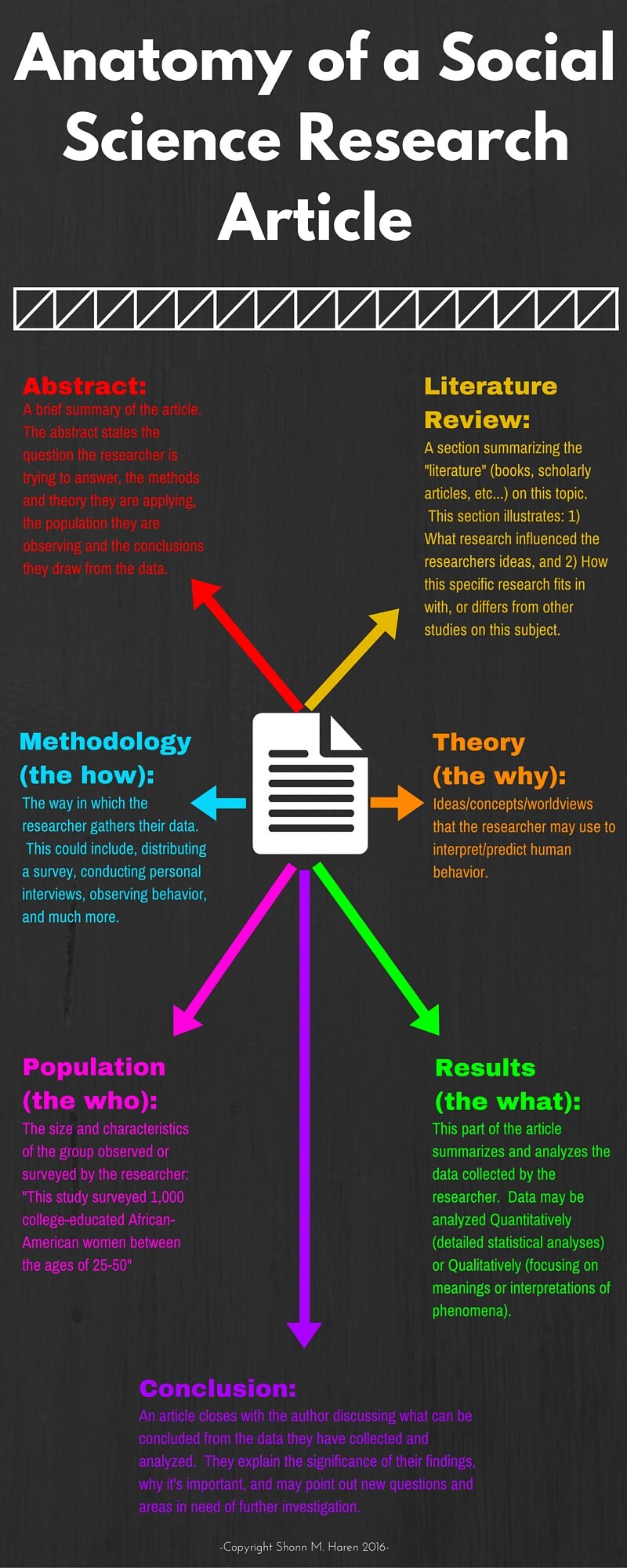
The Methods section (sometimes called "Materials and Methods" or "Methodology") is the technical core of the paper. It describes exactly how the researchers conducted their study. This includes the equipment they used, the procedures they followed, the subjects of their study (like people, animals, or cells), and how they analyzed the data they collected.
This section is all about transparency and reproducibility. The goal is to provide enough detail for another scientist to repeat the experiment and, theoretically, get the same results. For most readers, you don't need to understand every single detail, but you should be able to get a clear sense of the overall experimental design.
Results and Discussion
These two sections are often the most important for understanding what the study actually accomplished.
Results: Just the Facts
The Results section presents the findings of the study without any interpretation. It's a straightforward report of the data. This is where you'll find tables, graphs, and figures summarizing what the researchers measured. The text in this section simply describes these findings, pointing out key observations and statistical outcomes.
Discussion: The Interpretation
The Discussion is where the authors explain what their results mean. They interpret their findings in the context of the research question posed in the introduction. They compare their results to previous studies, explain any unexpected outcomes, and acknowledge the study's limitations.
This section often concludes by suggesting the broader implications of the work and proposing directions for future research. It connects the specific findings back to the big-picture questions raised at the start.
Think of it this way: the Results section tells you what they found, and the Discussion section tells you so what?
Beyond the core IMRaD sections, papers also have an Abstract at the very beginning. This is a short, one-paragraph summary of the entire paper, covering the key points from each section. It's a great way to quickly determine if the article is relevant to your interests.
Abstract
noun
A brief summary of a research article, thesis, review, or conference proceeding, intended to help the reader quickly ascertain the paper's purpose.
Knowing this structure is your roadmap. If you want to know what a paper is about, read the Abstract and Introduction. If you need to understand their experiment, head to the Methods. And if you're after the key takeaways, the Discussion is your best bet. Test your knowledge on how these pieces fit together.
In the IMRaD structure of a scientific paper, which section is primarily focused on answering the question, 'What does it mean?'
If you wanted to replicate an experiment described in a paper, which section would provide the most detailed information on the procedures and equipment used?
With this framework in mind, you're ready to tackle scientific articles with more confidence and efficiency.