Decoding Science A Practical Guide
Scientific Literacy
What Is Scientific Literacy?
Scientific literacy isn't about memorizing the periodic table or knowing how to build a rocket. It's the ability to understand and engage with science-related issues you encounter in everyday life. Think of it as a basic toolkit for navigating a world shaped by science and technology.
A scientifically literate person can grasp the core ideas behind a news story about a medical breakthrough or a debate on climate change. They understand that science is a process of asking questions and testing ideas, not just a collection of facts. This means recognizing that scientific knowledge evolves as we learn more.
Scientific literacy
noun
The knowledge and understanding of scientific concepts and processes required for personal decision making, participation in civic and cultural affairs, and economic productivity.
It’s not about becoming a scientist. It's about having the confidence to ask questions like, "How do they know that?" or "What's the evidence for this claim?" This curiosity is the foundation of scientific literacy.
Why It Matters Every Day
You use scientific literacy more often than you might think. When you choose a brand of toothpaste, decide whether to get a flu shot, or read the nutritional information on a cereal box, you're tapping into these skills. Science is woven into the fabric of our daily lives.
Consider the news. Reports on everything from new diets and health trends to environmental policies and technological advancements fill our feeds. Without a basic understanding of scientific principles, it’s difficult to sort fact from fiction. You don't need to be an expert to spot when a claim sounds too good to be true or lacks credible evidence.
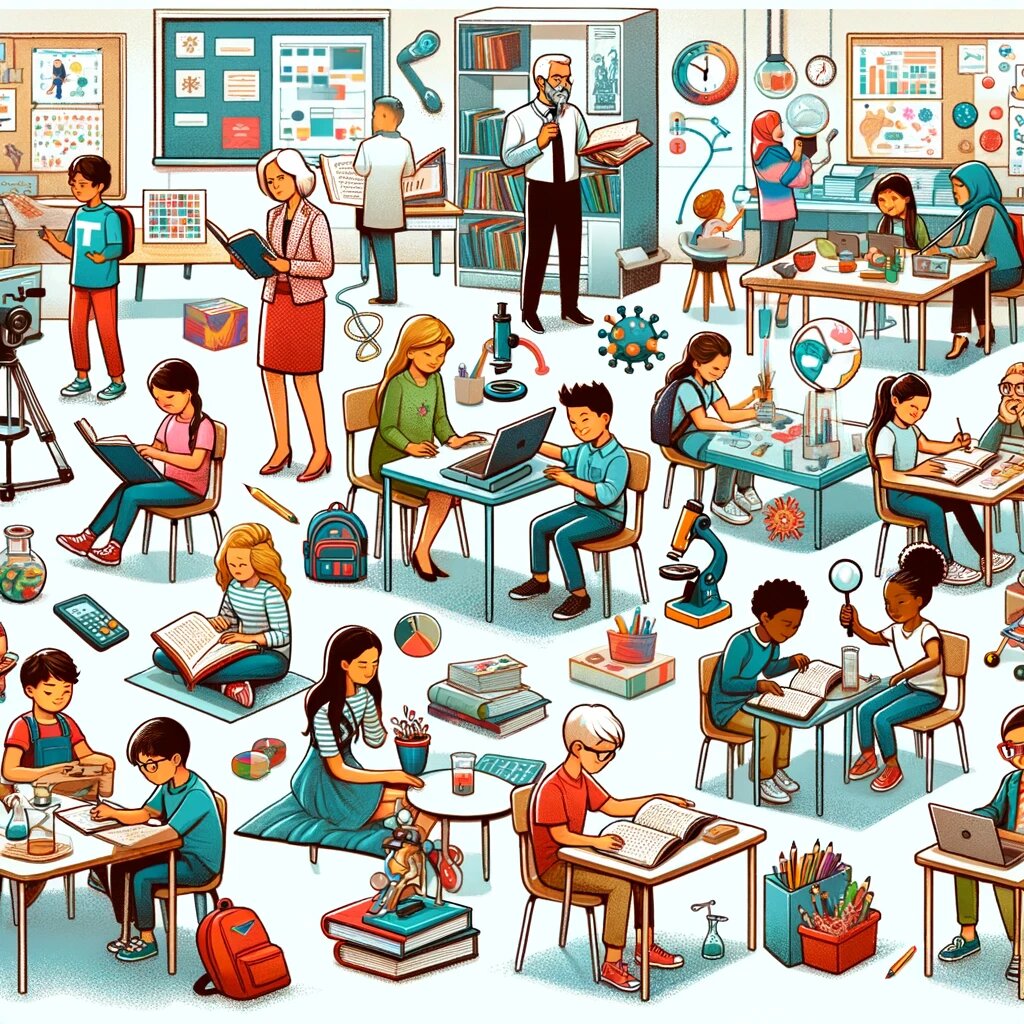
Scientific literacy empowers you to make informed personal and societal decisions. It helps you understand the reasoning behind public health recommendations and weigh the pros and cons of new technologies. It turns complex issues into something you can approach with confidence.
Being scientifically literate means you can participate in important conversations about our collective future, from protecting natural resources to supporting responsible innovation.
The Payoffs of Thinking Scientifically
Developing your scientific literacy brings powerful benefits that extend beyond simply understanding science. It sharpens your critical thinking and problem-solving abilities. The scientific approach—observing, questioning, predicting, and interpreting—is a highly effective way to tackle challenges in any area of life, whether it's fixing a leaky faucet or planning a complex project at work.
Furthermore, being scientifically literate enriches your appreciation of the world. Understanding a little about the stars, the biology of a forest, or the geology of a mountain range adds a layer of wonder to everyday experiences.
Ultimately, it makes you a more engaged and effective citizen. So many of today's most pressing issues have a scientific component. When you can follow the conversation, you are better equipped to make your voice heard and contribute to a healthier, more sustainable, and more equitable society.
Teaching students to critically evaluate scientific information prepares them for informed decision-making.
Now that you have a grasp of what scientific literacy is and why it's so important, let's test your understanding.
What is the primary goal of scientific literacy?
Scientific literacy means accepting all published scientific findings as permanent facts.