Decoding Science
Introduction to Scientific Papers
The Blueprint of Discovery
Scientific papers are the primary way researchers share their findings with the world. Think of them not just as reports, but as carefully constructed arguments. Each paper tells the story of a scientific inquiry, from the initial question to the final conclusion, laying out the evidence for others to see and build upon.
This process of sharing is what fuels scientific progress. When one team publishes its work, other teams can learn from it, test it, and take the ideas in new directions. But to make this system work, the information needs to be presented in a clear and predictable way. That's why most scientific papers follow a standard format.
Most academic research papers follow a standard framework, often summarized as IMRaD: Introduction, Methods, Results, and Discussion.
Understanding this structure is like having a map. Once you know the layout, you can navigate any paper with confidence and quickly find the information you need. Let's walk through the key sections of this map.
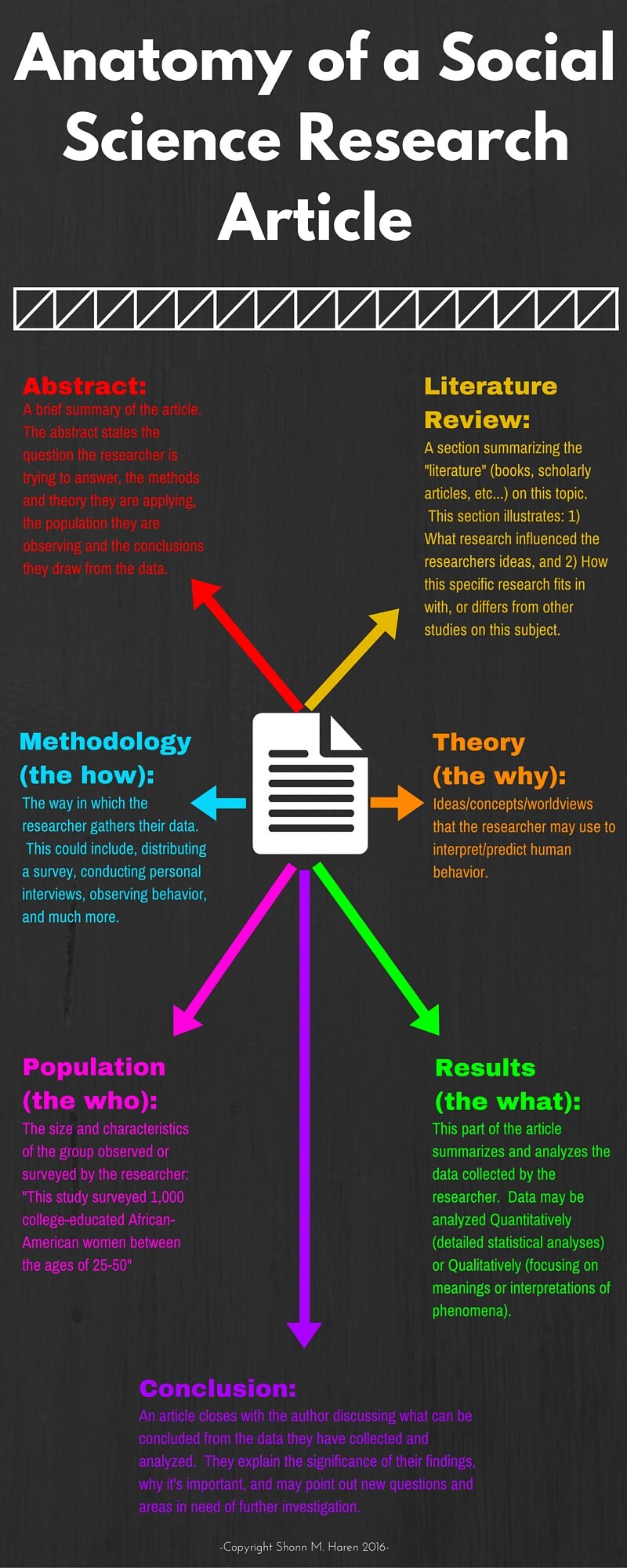
The Anatomy of a Paper
Abstract
noun
A brief, comprehensive summary of the contents of the article.
The Abstract is the paper in miniature. In about 250 words, it summarizes the entire study: the purpose, key methods, main findings, and major conclusions. It’s the first thing you’ll read, and it's designed to help you quickly decide if the full paper is worth your time.
Next is the Introduction. This section sets the stage. It starts broad by explaining the background of the research topic and what's already known. It then narrows down to identify a specific gap in knowledge or an unanswered question. The introduction ends by stating the paper's specific research question or hypothesis and briefly outlining the approach taken to answer it.
The Methods section is the technical core of the paper. It provides a detailed account of how the research was conducted. The goal here is transparency and replicability. Another researcher should be able to read this section and repeat the experiment exactly. It describes the materials used, the subjects or participants involved, and the step-by-step procedures that were followed.
This section answers the question, "What did you do?"
Following the methods, the Results section presents the findings of the study, and only the findings. It's a straightforward, factual report of the data that was collected. This information is often presented using tables, figures, and graphs, with accompanying text that guides the reader through the key observations. Importantly, this section avoids interpretation; it simply states what was found.
The Discussion is where the authors interpret the results. They explain what their findings mean in the context of the research question and the existing literature mentioned in the introduction. This is where they connect the dots. The discussion also addresses the study's limitations, suggests what the implications of the findings might be, and often proposes directions for future research.
Giving Credit
Finally, every scientific paper ends with a References section. This is a list of all the other publications the authors cited in their paper. It serves two crucial purposes. First, it gives credit to the researchers whose work provided the foundation for the current study. Second, it gives readers a trail to follow if they want to learn more about the topic or verify the claims made in the paper.
Each of these sections plays a specific role in building the paper's argument. By understanding their functions, you can read more efficiently and begin to see the scientific story that each paper tells.