Decoding Memes Modern Digital Language
Introduction to Memes
The Original Meme
Before there were dancing cats or viral video clips, the word “meme” had a very different meaning. It was coined in 1976 by the evolutionary biologist Richard Dawkins in his book, The Selfish Gene.
meme
noun
A unit of cultural transmission, or a unit of imitation and replication.
Dawkins wanted a word to describe how cultural ideas spread, similar to how genes spread biological information. A gene is a unit of biological heredity. A meme, he proposed, is a unit of cultural heredity.
Think of it this way: a catchy tune you can't stop humming is a meme. A fashion trend, a popular story, a new way of making pottery—these are all ideas, styles, or behaviors that spread from person to person within a culture. They replicate, mutate, and evolve over time, just like genes.
Memes Go Digital
The internet created a perfect ecosystem for Dawkins's idea to take on a new life. It allows ideas to spread faster and farther than ever before. While cultural memes might take years to spread through word of mouth, internet memes can go global in a matter of hours.
The core concept remains the same: a meme is a piece of content that spreads from person to person, changing and evolving along the way. But instead of a folk song or a recipe, it's typically an image, GIF, or video. The internet became the ultimate transmission vehicle for these cultural units.
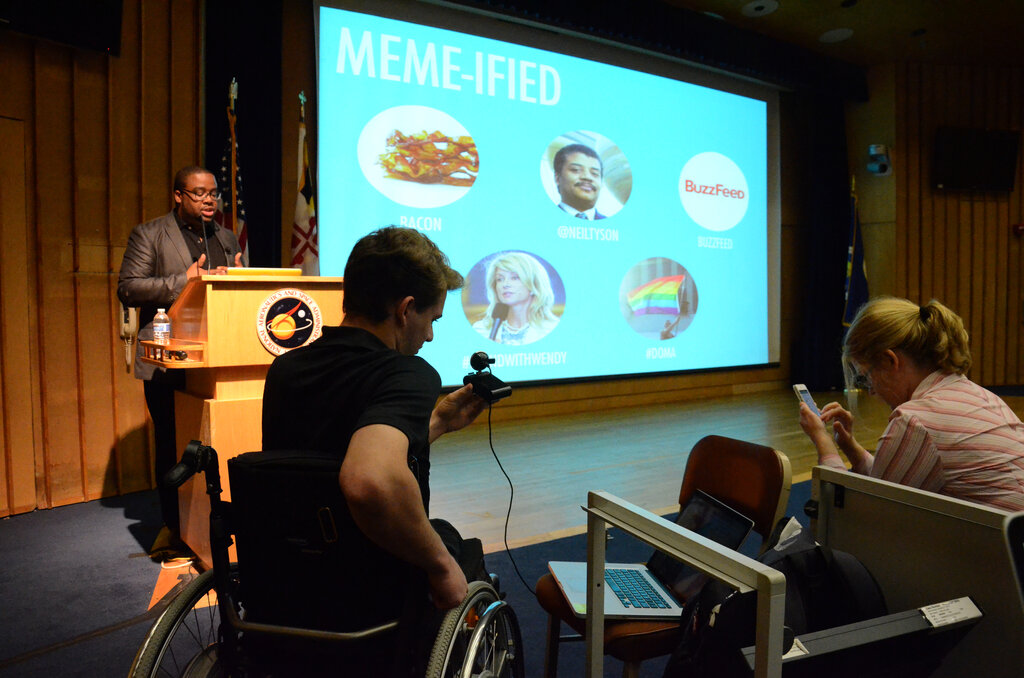
Anatomy of an Internet Meme
So what makes an internet meme a meme? It’s not just about being popular online. A true meme has a few key characteristics that set it apart from just any viral content.
Internet memes are less about the original piece of content and more about how people reuse and remix it.
First, memes are participatory. They invite people to not just share them, but to change them. A user might take a popular image format and add their own unique caption, applying the meme's template to a new, relatable situation. This act of creation and modification is central to meme culture.
Second, they spread through imitation and remixing. This is why you see the same image, like the “Distracted Boyfriend” photo, used with thousands of different labels. The original image is the template, but the countless variations are what keep the meme alive and relevant.
Finally, memes act as a form of cultural shorthand. They often reference shared experiences, movies, current events, or other parts of internet culture. Understanding a meme means you're “in on the joke,” making it a way for people to connect over shared knowledge.
With these basics in mind, you can start to see memes not just as silly internet jokes, but as a fascinating form of modern communication and cultural evolution.