Decoding Media Language
Introduction to Media Language
The Language of Media
Think about the last movie you watched. How did you know the hero was in danger before anything bad actually happened? It probably wasn’t a line of dialogue. Maybe it was the music—low, tense, and building. Or maybe it was the way the camera lingered on a dark, shadowy corner.
These are all elements of media language. It’s the set of tools creators use to communicate with an audience. Just like spoken language has words and grammar, media has its own vocabulary and rules. This language isn't just about words on a page or screen; it's a combination of images, sounds, and text that work together to tell a story and make us feel a certain way.
Media isn’t a transparent window to reality. It's a construction, and media language is the toolkit used to build it.
We learn to understand this language subconsciously from a young age. We know that a certain type of music means a jump scare is coming in a horror film, or that a news report with bold, red headlines is signaling urgent, important information. The first step to becoming media literate is to make this subconscious understanding conscious.
Signs and Signals
The basic building blocks of media language are often called signifiers. Think of them as individual signs or signals that carry a specific meaning. Every choice a creator makes—from the color of a character's shirt to the font used in a title card—is a signifier. We can group these into three main categories: visual, auditory, and textual.
Signifier
noun
An element—such as a word, image, or sound—that conveys a meaning or idea.
Visual signifiers are everything we see. This includes camera work, lighting, colors, and even the objects placed in a scene. A character filmed from a low angle appears powerful and dominant. A scene bathed in warm, golden light feels safe and nostalgic, while one with stark, high-contrast lighting feels tense and dramatic.
Auditory signifiers are what we hear. This is much more than just dialogue. It includes music, sound effects, and even silence. A sudden, jarring sound effect can make you jump, while a gentle piano melody might make you feel sad. The complete absence of sound in a normally noisy scene can create immense tension, signaling that something is wrong.
Finally, textual signifiers are the written words we see on screen. This includes everything from the font of a title sequence to the headlines in a newspaper a character is reading. The style of text communicates a lot. A fancy, cursive font might suggest elegance and history, while a blocky, sans-serif font can feel modern and direct.
Creating Meaning Together
The real power of media language comes from how these different signifiers are combined. They rarely work in isolation. A creator layers visual, auditory, and textual elements to create a specific effect and guide the audience's interpretation.
Imagine a news report about a protest. If the report uses shaky, handheld camera footage, fast-paced editing, and loud, chaotic sound effects, it will likely make the protest seem violent and out of control. The textual signifiers, like a headline that reads "CHAOS IN THE STREETS," would reinforce this perception.
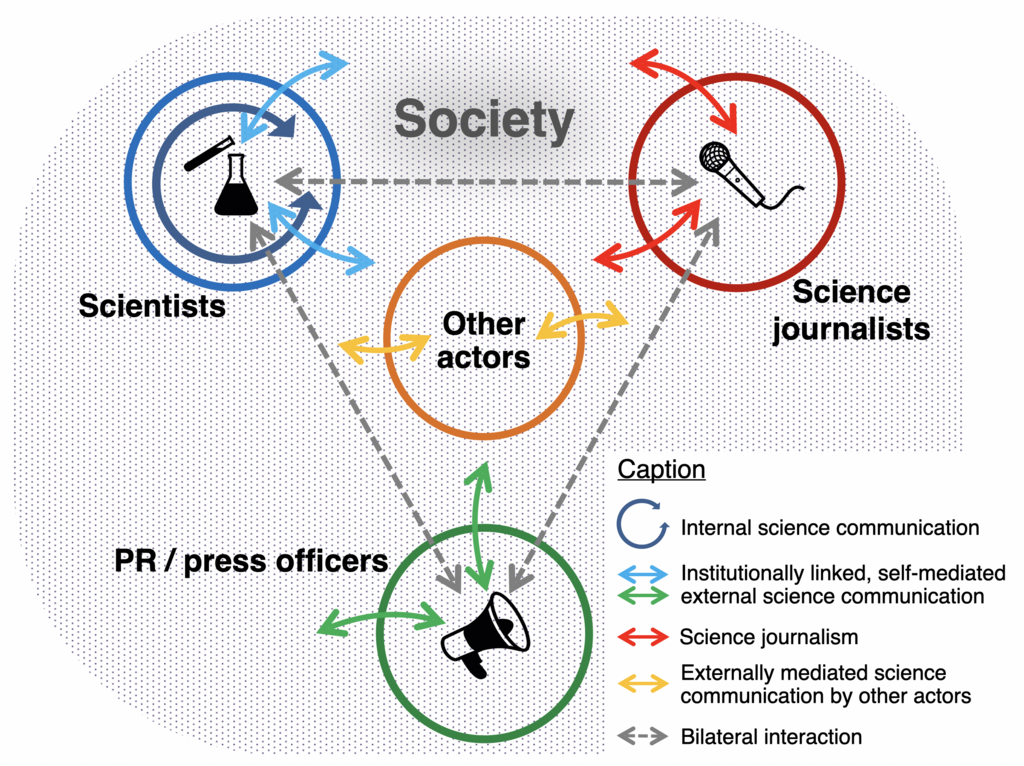
Now, imagine the same protest is shown with slow-motion footage, uplifting music, and interviews with participants speaking calmly and passionately. The headline might read "CITIZENS DEMAND CHANGE." The event itself is the same, but the combination of different signifiers completely changes the message and how the audience perceives it.
This is the impact of media language. It shapes our understanding of the world by framing events and stories in a particular way. By learning to identify the different signs and how they work together, we can become more critical consumers of media, able to see the constructed nature of the messages we receive every day.
Ready to test your understanding?
What is media language?
In a movie scene, the use of a shaky, handheld camera to create a sense of urgency and chaos is an example of which type of signifier?
Recognizing these elements is the first step toward a deeper understanding of how media works.