Decoding Indian Languages
Introduction to Indian Languages
A Land of Many Tongues
India isn't just a country; it's a subcontinent teeming with diverse cultures, traditions, and languages. To call India multilingual is an understatement. The constitution recognizes 22 official languages, but that's just the tip of the iceberg. Linguists estimate there are over 1,600 languages spoken across its vast landscape. Walking from one state to another can feel like crossing an international border, with scripts, sounds, and vocabularies changing completely.
How can so many languages coexist? Think of them like branches on a few very large trees. While each branch is unique, they all trace back to a common trunk. In India, these trunks are called language families. The two largest and most prominent families are the Indo-Aryan languages and the Dravidian languages.
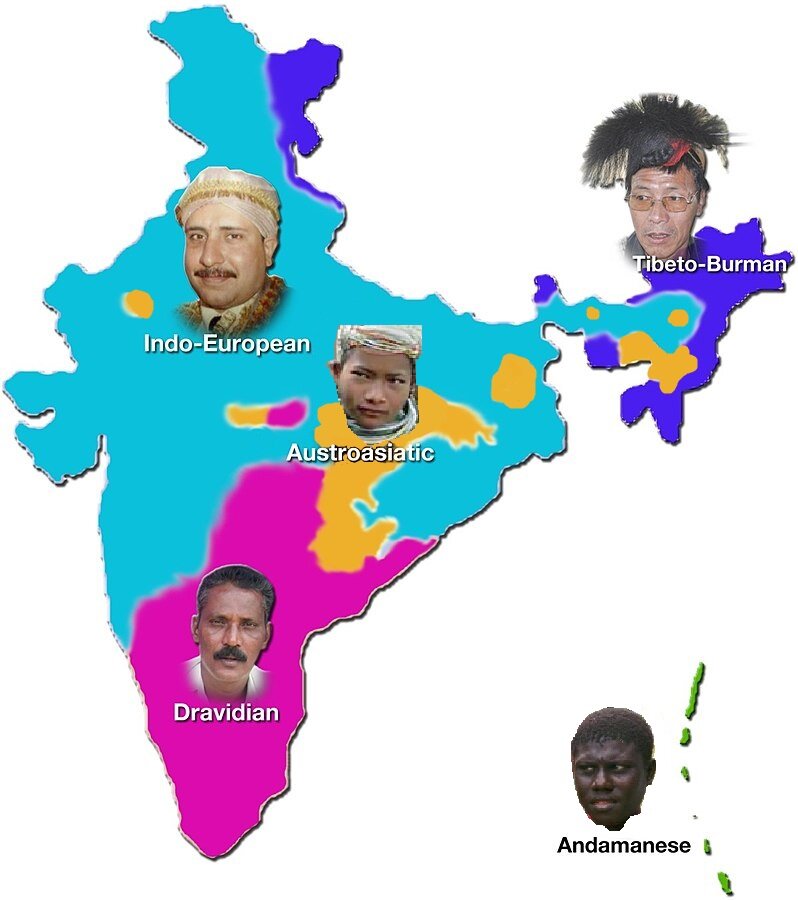
These aren't the only families, of course. You'll also find speakers of Austroasiatic and Tibeto-Burman languages, primarily in the country's eastern and northeastern regions. But for now, let's focus on the big two.
North and South A Linguistic Divide
The geographical distribution of these language families creates a fascinating, though not perfectly rigid, linguistic divide between the north and south of India.
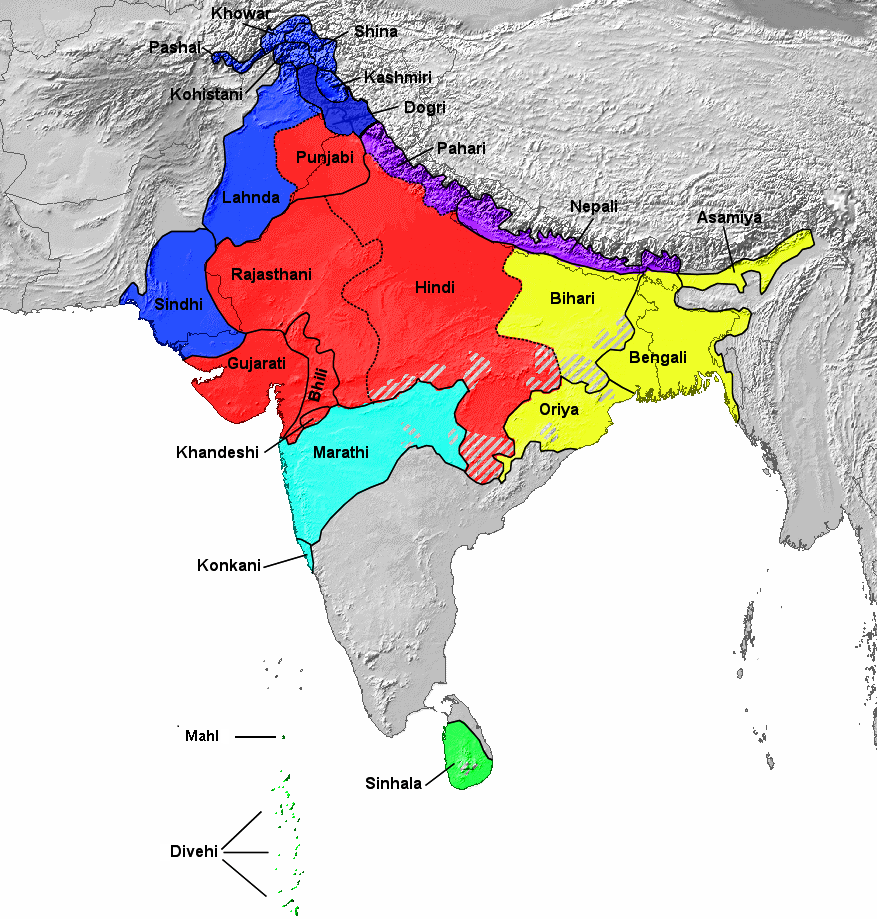
The Indo-Aryan family dominates the northern, western, and eastern parts of India. Languages like Hindi, Bengali, Punjabi, Marathi, and Gujarati all belong to this group. They are descendants of Sanskrit, an ancient classical language, and share family resemblances with languages spoken far beyond India, including English, Spanish, and Persian. They all belong to the even larger Indo-European family tree.
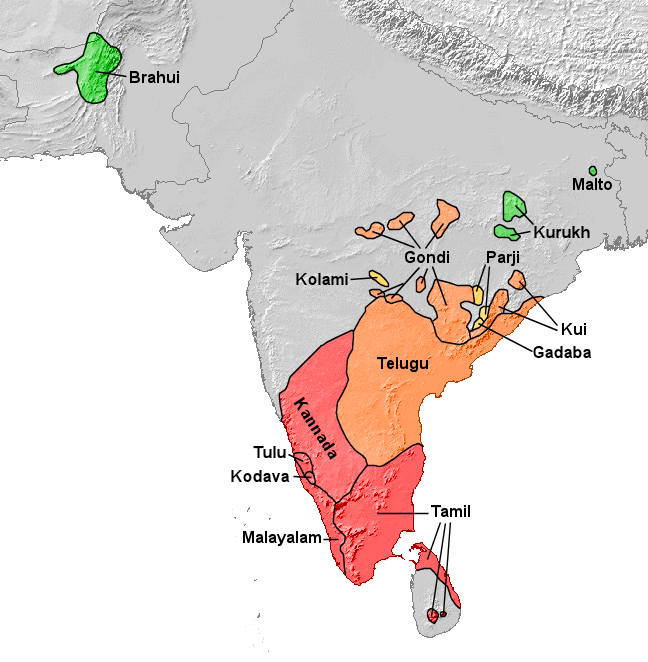
The Dravidian family, on the other hand, is concentrated in Southern India. This family includes Tamil, Telugu, Kannada, and Malayalam. These languages have roots that are distinct from Sanskrit and are believed to have been spoken on the subcontinent for thousands of years, long before the arrival of Indo-Aryan speakers. While they have borrowed words from Sanskrit over the centuries, their core grammar and vocabulary are entirely separate.
Think of it this way: Indo-Aryan languages are like cousins to English, while Dravidian languages belong to a completely different family tree.
The Multilingual Mindset
With such linguistic variety packed into one nation, it's no surprise that many Indians are bilingual or even trilingual. It's common for a person to speak their regional language at home, use Hindi or another major regional language for wider communication, and learn English for business and education.
This fluid movement between languages is a part of daily life. In a bustling market in Delhi, you might hear a shopkeeper switch seamlessly from their native Punjabi to Hindi to bargain with a customer, and then to English to speak with a tourist. This linguistic dexterity is a hallmark of the Indian experience.
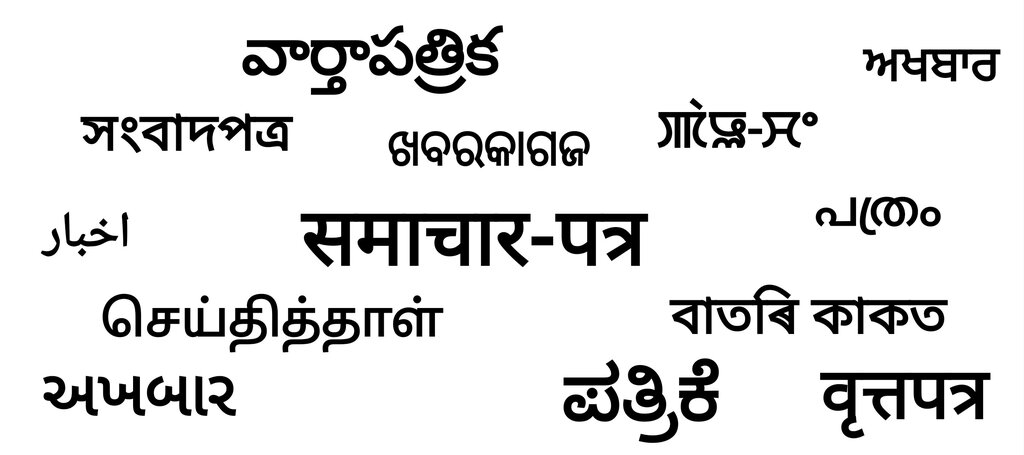
This overview is just the beginning. Each language has its own script, its own rhythm, and its own rich literary tradition. As we continue, we'll explore some of these languages in more detail, starting with their unique writing systems.
Ready to test your knowledge?
Which two language families are the most prominent in India?
A person from which of the following states is most likely to speak a language from the Dravidian family?
Understanding this linguistic landscape is the first step to appreciating the incredible diversity of India.