Decoding Indian Astrology
Foundations of Vedic Astrology
The Light of the Stars
Vedic astrology, known in Sanskrit as Jyotisha, translates to the "science of light." Its goal is to illuminate our path by understanding the patterns of the cosmos. This ancient system isn't just about predicting the future; it's a tool for self-awareness, helping us see how celestial energies might influence our lives.
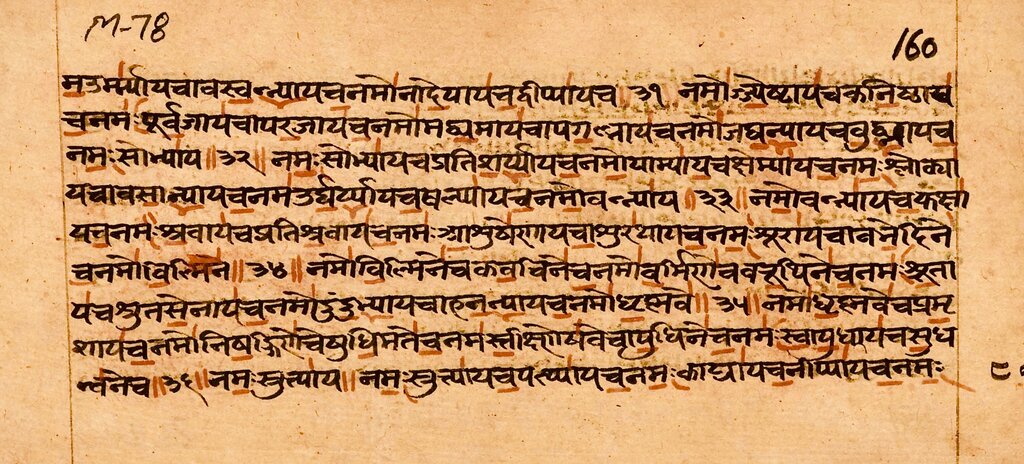
The roots of Jyotisha trace back thousands of years to the Vedas, the foundational texts of Hinduism. Early scriptures like the Vedanga Jyotisha laid the groundwork by focusing on tracking celestial bodies to set dates for rituals and ceremonies. Over centuries, this evolved into a sophisticated system of horoscope interpretation, detailed in later works like the classic Brihat Parashara Hora Shastra, which remains a primary reference for astrologers today.
The Cosmic Building Blocks
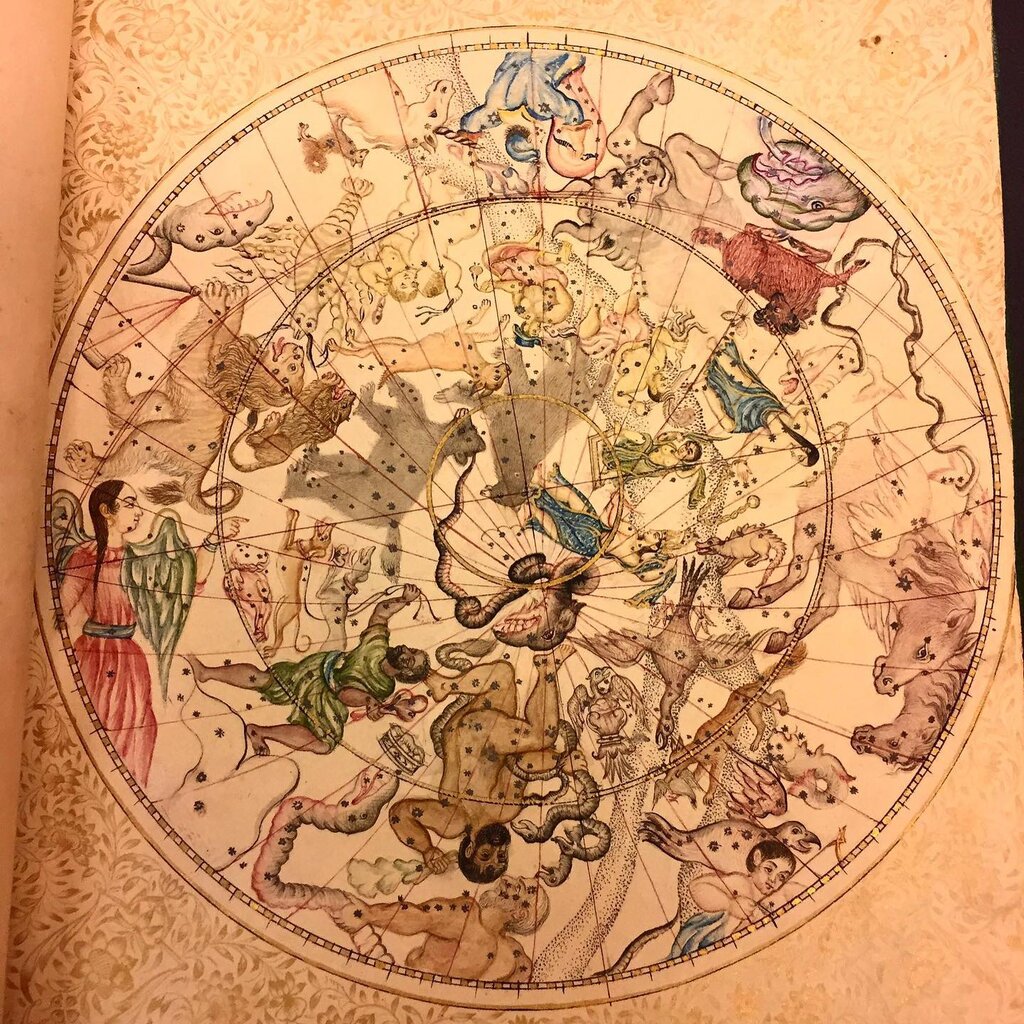
Vedic astrology uses three core components to map out the celestial landscape: the zodiac signs (Rāśis), the planets (Grahas), and the lunar mansions (Nakshatras). Together, they form a framework for interpreting a birth chart.
First are the twelve Rāśis, or zodiac signs. If you know Western astrology, these names will look familiar. However, Jyotisha uses the sidereal zodiac, which is aligned with the fixed stars. This means the sign placements are different from the tropical zodiac used in the West, which is based on the seasons.
| Sanskrit Name | English Name |
|---|---|
| Meṣa | Aries |
| Vṛṣabha | Taurus |
| Mithuna | Gemini |
| Karka | Cancer |
| Siṃha | Leo |
| Kanyā | Virgo |
| Tulā | Libra |
| Vṛścika | Scorpio |
| Dhanu | Sagittarius |
| Makara | Capricorn |
| Kumbha | Aquarius |
| Mīna | Pisces |
Next are the nine Grahas, often translated as "planets." The word Graha literally means "to seize" or "grasp," reflecting the idea that these celestial bodies hold influence over our lives. Jyotisha recognizes seven visible planets plus two important lunar nodes.
Graha
noun
A celestial body or point believed to influence human affairs.
| Sanskrit Name | English Name/Equivalent |
|---|---|
| Sūrya | Sun |
| Candra | Moon |
| Maṅgala | Mars |
| Budha | Mercury |
| Bṛhaspati | Jupiter |
| Śukra | Venus |
| Śani | Saturn |
| Rāhu | North Lunar Node |
| Ketu | South Lunar Node |
Rahu and Ketu are not physical planets. They are mathematical points where the Moon's orbit crosses the Earth's path around the Sun. In mythology, they are depicted as a serpent's head and tail, and they play a significant role in karmic patterns.
The Lunar Mansions
Perhaps the most unique feature of Vedic astrology is its use of the twenty-seven Nakshatras, or lunar mansions. The zodiac is a 360-degree circle, and while the Rāśis divide it into twelve large sections of 30 degrees each, the Nakshatras create a finer grid. Each Nakshatra spans just 13 degrees and 20 minutes of the sky.
The Nakshatras are considered the "wives" of the Moon, who is said to visit each one for a day as he travels through the sky each month.
This system provides a much deeper layer of insight into a person's character and destiny. The Nakshatra in which your Moon was placed at the time of your birth is especially important, revealing nuances about your personality, motivations, and life path that the broader zodiac sign might not capture.
| # | Sanskrit Name | # | Sanskrit Name | # | Sanskrit Name |
|---|---|---|---|---|---|
| 1 | Aśvinī | 10 | Maghā | 19 | Mūla |
| 2 | Bharaṇī | 11 | Pūrva Phalguṇī | 20 | Pūrva Āṣāḍhā |
| 3 | Kṛttikā | 12 | Uttara Phalguṇī | 21 | Uttara Āṣāḍhā |
| 4 | Rohiṇī | 13 | Hasta | 22 | Śravaṇa |
| 5 | Mṛgaśīrṣa | 14 | Citrā | 23 | Dhaniṣṭhā |
| 6 | Ārdrā | 15 | Svāti | 24 | Śatabhiṣā |
| 7 | Punarvasu | 16 | Viśākhā | 25 | Pūrva Bhādrapadā |
| 8 | Puṣya | 17 | Anurādhā | 26 | Uttara Bhādrapadā |
| 9 | Āśleṣā | 18 | Jyeṣṭhā | 27 | Revatī |
By combining the influences of the Rāśis, Grahas, and Nakshatras, an astrologer can begin to build a detailed picture of the cosmic energies at play in an individual's life. These elements are the alphabet of Jyotisha, forming the basis for every astrological chart.
What does the Sanskrit term 'Jyotisha,' the name for Vedic astrology, translate to?
What is the key difference between the zodiac used in Vedic astrology and the one used in Western astrology?