Decoding Incomplete Queries
Introduction to Internet Slang
The Language of the Web
Internet slang is the informal language born from online communication. It's a colorful mix of abbreviations, acronyms, creative misspellings, and keyboard-generated symbols that help people talk faster and add emotional flavor to their messages. Think of it as the internet's constantly evolving dialect.
This special language didn't appear overnight. It grew out of a need to be quick and clear in a world made of text. In a regular conversation, you can use your tone of voice or a simple smile to show you're joking. Online, you might just type 'jk'.
Internet slang is the digital equivalent of an inside joke, a secret handshake, and a shortcut all rolled into one.
It’s built on a few key ideas: saving keystrokes, conveying emotion that text alone can't capture, and building a sense of community. When you use slang that others in your group understand, it strengthens your connection to them.
From Dial-Up to DMs
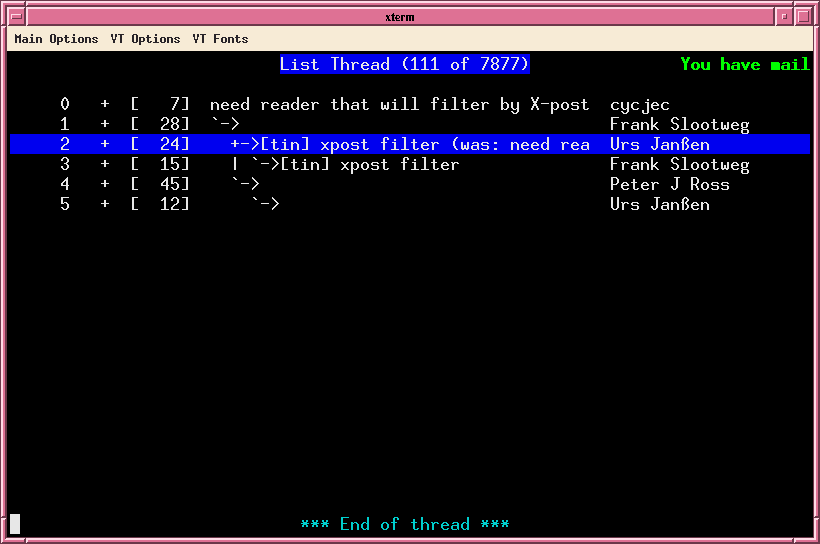
The roots of internet slang go back to the earliest online communities. On bulletin board systems (BBS) and Usenet forums in the 1980s and 90s, users developed shorthand to speed up conversations. Data transmission was slow, and typing every word out was a chore.
The rise of text messaging on mobile phones pushed this trend even further. With a strict limit of 160 characters per message, every letter counted. Acronyms like 'LOL' (laughing out loud) and 'BRB' (be right back) became essential tools for communication.
As the internet became more visual, so did its slang. Emojis, GIFs, and memes are now just as important as acronyms for expressing complex ideas and feelings quickly. A single reaction GIF can sometimes say more than a whole paragraph.
Common Slang and What It Means
While internet slang is always changing, some terms have become modern classics. They're so common that they've even made their way into spoken language. Here are a few foundational examples.
| Slang | Meaning |
|---|---|
| LOL | Laughing Out Loud |
| BRB | Be Right Back |
| IMO / IMHO | In My (Honest/Humble) Opinion |
| TTYL | Talk To You Later |
| BTW | By The Way |
| IYKYK | If You Know, You Know |
The meaning of slang can also shift depending on the community using it. A term popular with gamers might mean something completely different on a crafting forum. This is part of what makes internet slang so dynamic. It's language that adapts to its environment.
Slang is a living part of language. What's cool today might be considered cringe tomorrow. That's part of the fun.
Now's a great time to review the core ideas we've covered.
Let's test your understanding with a few questions.
What were the primary motivations for the creation of early internet slang?
Internet slang originated with the rise of social media platforms in the 2010s.
Understanding internet slang isn't just about knowing acronyms. It's about recognizing how we use language to build connections and express ourselves in the digital world.