Decoding Home Depot's Balance Sheet
Balance Sheet Basics
A Snapshot in Time
Imagine taking a photograph of a company's finances on a single day. That's essentially what a balance sheet is. It doesn't show performance over a month or a year; it provides a clear, static picture of what a company owns and what it owes at one specific moment.
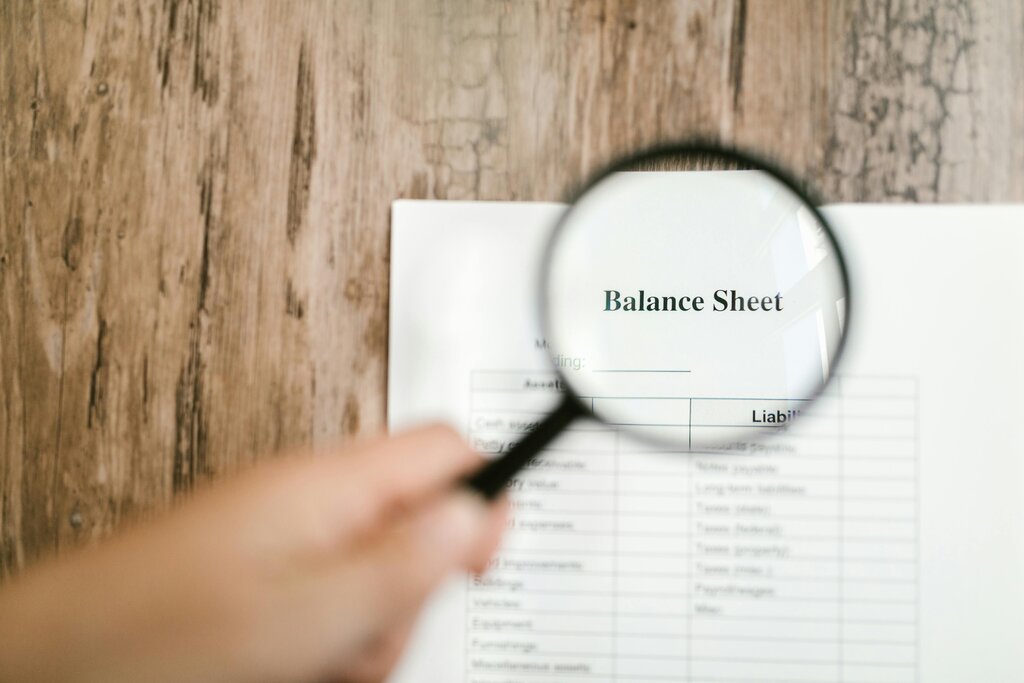
This financial statement is a fundamental tool for anyone trying to understand the health of a business. It's organized into three main parts that tell a story about the company's resources, obligations, and the owners' stake.
The Three Core Components
Every balance sheet is built from three key categories: assets, liabilities, and equity.
Asset
noun
A resource with economic value that an individual, corporation, or country owns or controls with the expectation that it will provide a future benefit.
Assets are the things the company owns. This includes cash in the bank, inventory waiting to be sold, machinery in the factory, and the office building itself. Think of assets as all the resources the company can use to generate future income.
Liability
noun
A company's financial debt or obligations that arise during the course of its business operations.
Liabilities are what the company owes to others. This could be a loan from a bank, bills from suppliers that haven't been paid yet (known as accounts payable), or wages owed to employees. These are the company's financial obligations.
Equity
noun
The value of an asset less the value of all liabilities on that asset. It represents the shareholders' stake in the company.
Shareholders' equity (or just equity) is what's left over for the owners after all liabilities are paid off. It's the residual value. If a company sold all its assets and paid all its debts, the remaining money would be the shareholders' equity. It represents the owners' claim on the company's assets.
The Balancing Act
The name "balance sheet" comes from the fact that it must always balance. The relationship between its three components is described by a simple but powerful formula known as the accounting equation.
This equation must always hold true. Everything a company owns (its assets) must have been financed by either borrowing money (liabilities) or through investment from its owners (equity). There are no other options. The two sides of the equation represent two different views of the same company: what it owns, and who has a claim to what it owns.
The balance sheet must always balance (Assets = Liabilities + Equity).
By analyzing a balance sheet, you can assess a company's financial stability. For example, you can see how much debt it's carrying compared to its equity, or whether it has enough cash (an asset) to cover its short-term bills (liabilities). It's a foundational document for making informed financial decisions.
What does a balance sheet represent?
Which of the following is an example of a company's asset?