Decoding Health Insurance
Health Insurance Basics
What Is Health Insurance?
Think of health insurance as a financial safety net. You hope you don't need it, but it's there to protect you from the high cost of medical care if you get sick or injured. It’s a contract between you and an insurance company. You pay a regular fee, and in return, the company agrees to pay for a portion of your medical bills.
Health insurance is an essential tool for managing healthcare costs and accessing necessary medical services.
Without insurance, a single hospital stay could cost tens of thousands of dollars. With it, your financial responsibility is much more predictable and manageable. The main goal is to make healthcare affordable and accessible when you need it.
Speaking the Language
The world of health insurance has its own vocabulary. Understanding these key terms is the first step to confidently navigating your plan.
Premium
noun
The fixed amount you pay regularly (usually every month) to the insurance company to keep your health plan active, whether you use medical services or not.
Think of the premium as your membership fee. It keeps you in the club, so you have access to benefits when you need them.
Provider
noun
A person (like a doctor or nurse) or an institution (like a hospital or clinic) that provides medical care.
There are many types of providers, from general practitioners to specialized surgeons and therapists.
Network
noun
The group of doctors, hospitals, and other healthcare providers that have a contract with your health insurance company to provide services at a discounted rate.
Using providers within your plan's network, or 'in-network,' almost always costs you less than going 'out-of-network.'
Claim
noun
A formal request for payment that your healthcare provider sends to your insurance company after you receive services. It lists the medical services you received.
How Plans Are Structured
At its core, a health insurance plan is a system for sharing costs. After you see a provider, they send a claim to your insurance company. The insurance company processes this claim to figure out how much it will pay and how much you will pay.
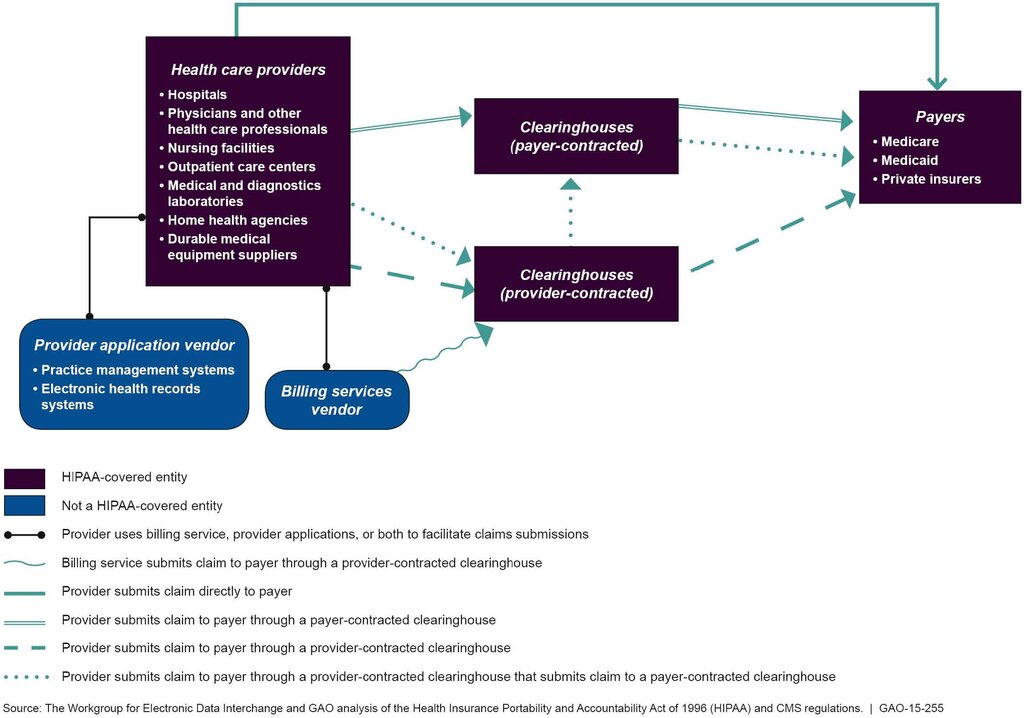
Different plans structure this cost-sharing in different ways. Some plans, like Health Maintenance Organizations (HMOs), require you to use providers in their network and get a referral from your primary doctor to see a specialist. Other plans, like Preferred Provider Organizations (PPOs), offer more flexibility to see both in-network and out-of-network providers, but you'll pay more for out-of-network care.
No matter the type, all plans use specific rules to determine your share of the cost. These include concepts like deductibles, copayments, and coinsurance, which define exactly when and how much you pay out of your own pocket.