Decoding Globalist Universities
Introduction to Globalism
What Is Globalism?
At its core, globalism is the idea that the world is becoming a single, interconnected community. It's a way of looking at the world that emphasizes the connections between people, companies, and governments across national borders. While often used interchangeably with globalization, the two concepts are distinct.
Globalization is the process of the world becoming more connected. Globalism is the belief or ideology that these connections are a good thing and should be encouraged.
Globalism
noun
An ideology or belief system that views the world as a single, integrated community, advocating for cooperation and interconnectedness across national boundaries.
This worldview suggests that many of today's biggest challenges, from climate change to economic stability, can't be solved by any single country acting alone. Instead, it promotes international cooperation and shared responsibility. This doesn't mean erasing national identities, but rather recognizing that we all share a common planet and a linked destiny.
A Brief History
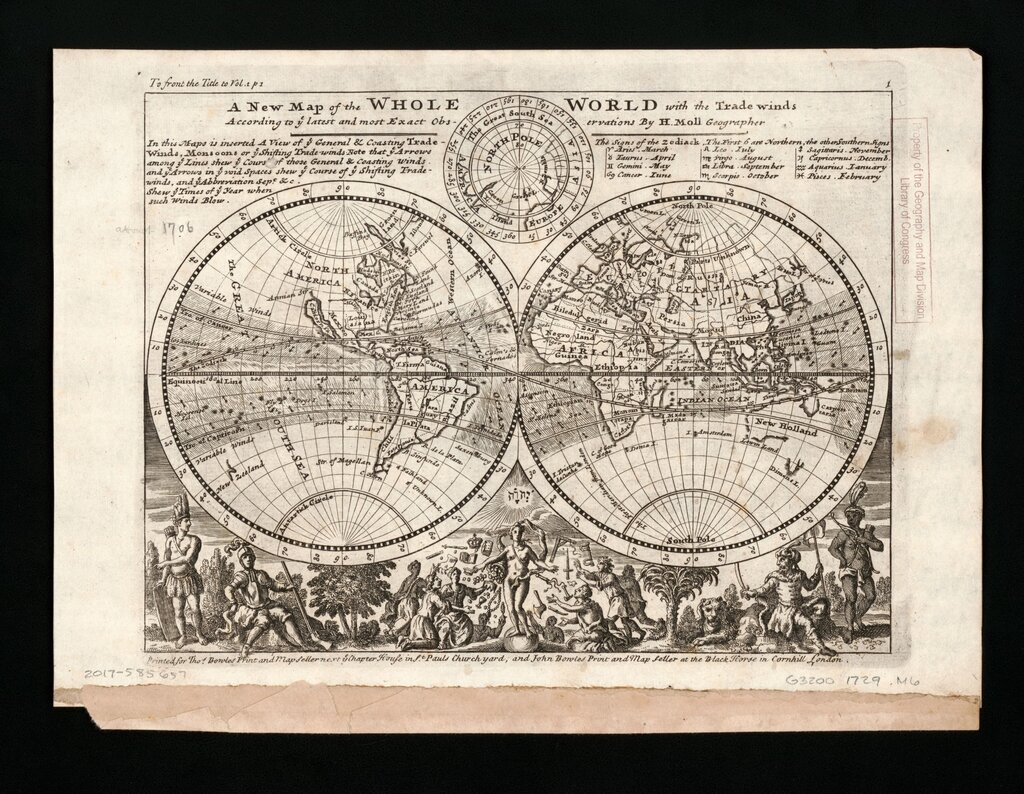
The idea of a connected world isn't new. For thousands of years, people have traded goods, ideas, and cultures over vast distances. Think of the ancient Silk Road, which linked China with the Mediterranean, or the spread of major world religions across continents. These early networks were the first threads of a global tapestry.
However, modern globalism really took shape after World War II. In the wake of devastating conflict, world leaders sought to create systems that would prevent future wars and foster economic stability. This led to the creation of international institutions like the United Nations, the World Bank, and the International Monetary Fund (IMF).
The goal was to build a framework for countries to solve disputes peacefully and work together on shared problems. The end of the Cold War in the early 1990s and the explosive growth of the internet dramatically accelerated these trends, making communication and commerce faster and cheaper than ever before.
The Impact of Globalism
Globalism's influence can be seen in nearly every aspect of modern life, from the food we eat to the news we consume.
Politically, globalism has led to a rise in international law and organizations. Treaties and agreements between nations now govern everything from trade to human rights. This creates a system where countries are expected to follow shared rules and cooperate on global issues.
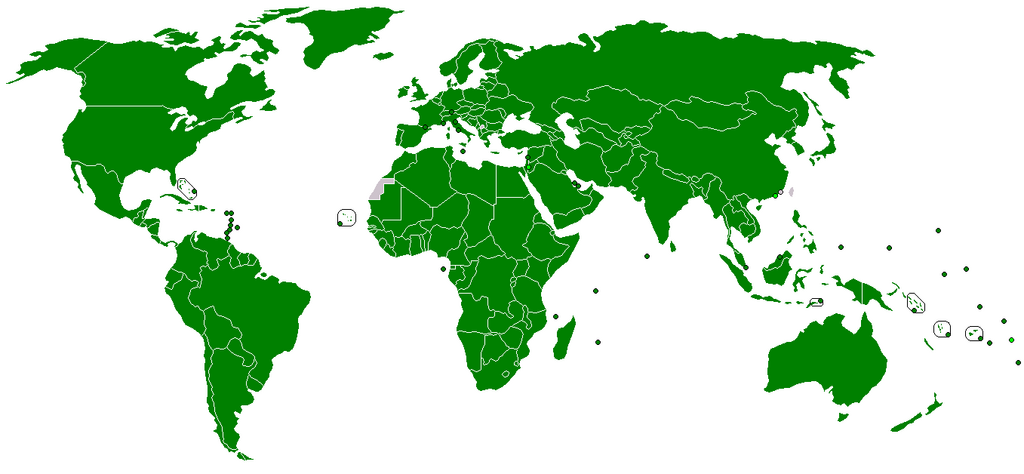
Economically, globalism champions the idea of free trade and open markets. This has created a complex web of global supply chains. The smartphone in your pocket is a perfect example: its parts may come from dozens of countries, it's assembled in another, and its software is developed by teams scattered across the globe. This integration has fueled economic growth and given consumers access to a wider variety of goods at lower prices.
Culturally, the impact is just as profound. The internet and mass media have allowed for the instant exchange of ideas, music, movies, and art. You can watch a Korean drama in Kansas, listen to Nigerian Afrobeats in Norway, or follow a Japanese chef on social media from Brazil. This exposure to different cultures fosters greater understanding and creates a shared global conversation, though it also shapes and is shaped by local traditions.
Now, let's test your understanding of these core concepts.
Which statement best captures the core idea of globalism?
The creation of international institutions like the United Nations, World Bank, and IMF was a significant development in modern globalism that occurred after which major global event?
Globalism offers a framework for understanding our increasingly interconnected world. By recognizing the powerful links between politics, economics, and culture across borders, we can better navigate the challenges and opportunities of the 21st century.