Decoding Gen Z Trends and Slang
Understanding Gen Z
Who Is Generation Z?
Generation Z includes anyone born between 1997 and 2012. They are the cohort that follows the Millennials and precedes Generation Alpha. This isn't just a label; it's a description of a group shaped by a unique period in history. Think about it: the oldest members of Gen Z were toddlers during 9/11, and the youngest were born a few years after the first iPhone was released.
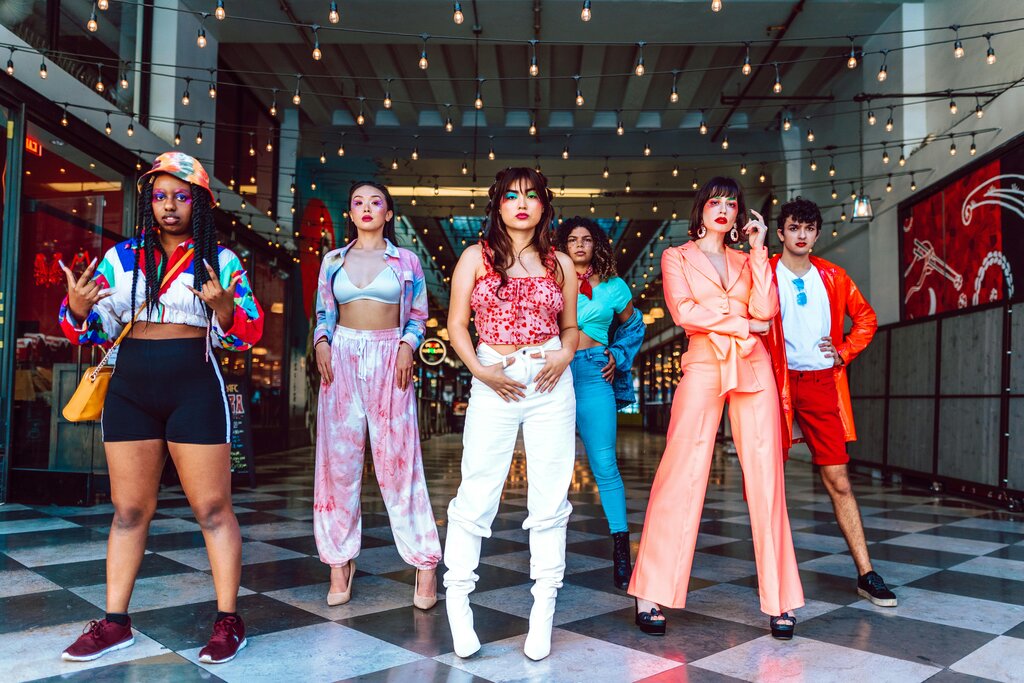
This generation is notable for its diversity. In the United States, for example, it is the last generation with a white majority. This diversity isn't just demographic; it's woven into their social fabric. Growing up in a more multicultural society has deeply influenced their values, leading to a strong emphasis on inclusivity and social justice.
Digital Natives
Previous generations had to adapt to the internet. Gen Z was born into it. They don’t remember a world without smartphones, social media, or instant access to information. This makes them 'digital natives' in the truest sense. While Millennials were pioneers of the early internet, using dial-up and AIM, Gen Z grew up with high-speed Wi-Fi and sophisticated mobile apps as a baseline.
For Gen Z, there isn't a meaningful distinction between their online and offline lives. Their social circles, identities, and sources of information blend the two worlds seamlessly.
This constant connectivity has made them incredibly fluent with technology. They can quickly learn new platforms, create content, and build communities online. This isn't just about entertainment; it's fundamental to how they learn, work, and interact with the world.
Shaped by Their Times
Every generation is a product of its environment, and Gen Z's formative years were marked by significant global events. Many witnessed their families navigate the 2008 financial crisis, which fostered a pragmatic and often cautious approach to finances. They are not necessarily risk-averse, but they are keenly aware of economic instability.
Beyond economics, they have grown up with the climate crisis as an ever-present issue, leading many to prioritize sustainability. The political polarization of the last decade has also made them vocal advocates for social causes they believe in. Unlike the perceived optimism of Millennials in their youth, Gen Z often approaches the world with a blend of realism and a strong desire to enact change.
What is the approximate birth year range for Generation Z?
Which statement best describes the key difference between how Gen Z and Millennials experienced the internet's development?
This generation's unique background shapes everything from their career aspirations to their consumer behavior, making them a distinct and influential group.