Decoding Futures Trading Research
Academic Paper Structure
The Blueprint of a Research Paper
Academic papers in futures trading, like those in most quantitative fields, aren't written like novels. They follow a predictable structure designed for clarity and efficiency. Think of it as a road map that guides you through the author's research journey, from the initial question to the final conclusion. Understanding this map helps you quickly find the information you need and critically evaluate the study's contribution.
Most academic research papers follow a standard framework, often summarized as IMRaD: Introduction, Methods, Results, and Discussion.
While the IMRaD structure is a common shorthand, papers in finance often expand on this to include a few other key sections. Let's walk through the full sequence you'll typically encounter.
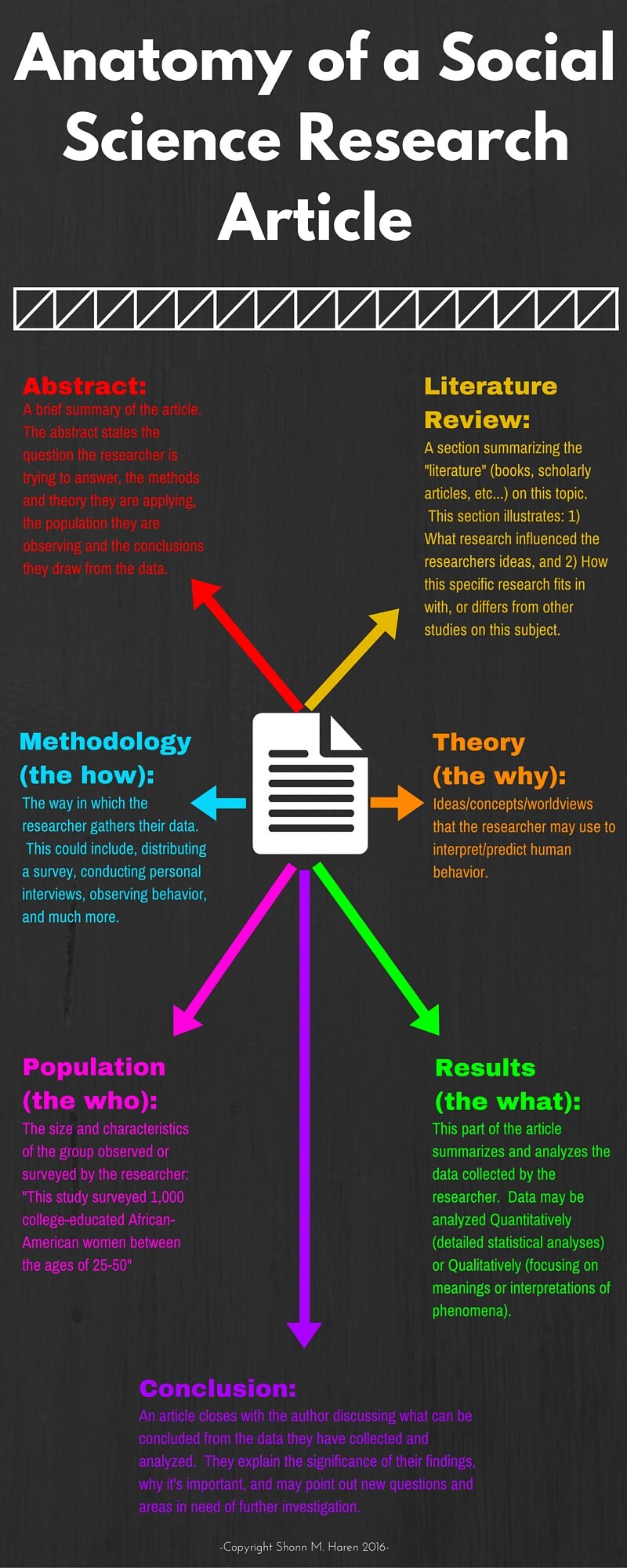
The Core Sections
Each part of the paper has a specific job to do. Knowing what to expect from each section makes the entire article easier to digest.
Abstract
noun
A concise summary of the entire paper. It covers the research question, methods, key findings, and main conclusions in a single, dense paragraph.
After the abstract, the paper unfolds in a logical progression.
1. Introduction The introduction sets the scene. It introduces the topic, explains why it's important, and clearly states the research question or hypothesis. It provides the context for the study and outlines what the paper aims to achieve. This is where the authors convince you that their research is worth your time.
The introduction answers the question: What is the problem and why should anyone care?
2. Literature Review This section surveys existing research on the topic. It's not just a list of who said what; a good literature review synthesizes previous findings, identifies gaps in current knowledge, and shows how the present study fits into the broader academic conversation. It demonstrates that the authors have done their homework and are building on a solid foundation of prior work.
3. Methodology Here, the authors detail exactly how they conducted their research. This section covers the data sources used, the time period of the study, and the specific quantitative models or statistical techniques applied. The goal is transparency and replicability. A well-written methodology section should give another researcher enough information to replicate the study and verify the results.
The methodology section answers the question: What did you do and how did you do it?
4. Results This is the most straightforward part of the paper. It presents the findings of the study without interpretation. You'll find tables, charts, and key statistics that summarize the output of the models described in the methodology. The results section is purely about reporting the data.
Making Sense of the Findings
Once the raw results are on the table, the final sections of the paper explain what they mean and why they matter.
5. Discussion The discussion section interprets the results. How do the findings answer the original research question? Are they consistent with previous studies? What are the broader implications for futures traders, regulators, or financial theory? This is where the authors connect the dots and explain the significance of their work. They may also acknowledge any limitations of their study.
The discussion answers the question: So what? What do these results actually mean?
6. Conclusion Finally, the conclusion provides a brief wrap-up. It restates the main findings and their importance, often in a more accessible way than the discussion. It might also suggest avenues for future research, pointing out new questions that have emerged from the study.
| Section | Primary Question Answered |
|---|---|
| Abstract | What is the paper about in a nutshell? |
| Introduction | What is the problem? |
| Literature Review | What is already known? |
| Methodology | How was the problem studied? |
| Results | What was found? |
| Discussion | What do the findings mean? |
| Conclusion | What is the key takeaway? |
Beyond these core sections, you will also find a list of References or a Bibliography at the end, which catalogs all the sources cited in the paper. This is crucial for tracing the intellectual origins of the study and finding related work.
Ready to test your knowledge?
If a trader wants to understand the specific quantitative models and data sources used in a study to potentially replicate it, which section should they consult?
What is the primary difference between the 'Results' and 'Discussion' sections of a research paper?
Understanding this standard structure is the first step to reading academic literature efficiently. It allows you to approach any paper with confidence, knowing where to look for the key pieces of information.