Decoding Futures Trading Research
Understanding Academic Paper Structure
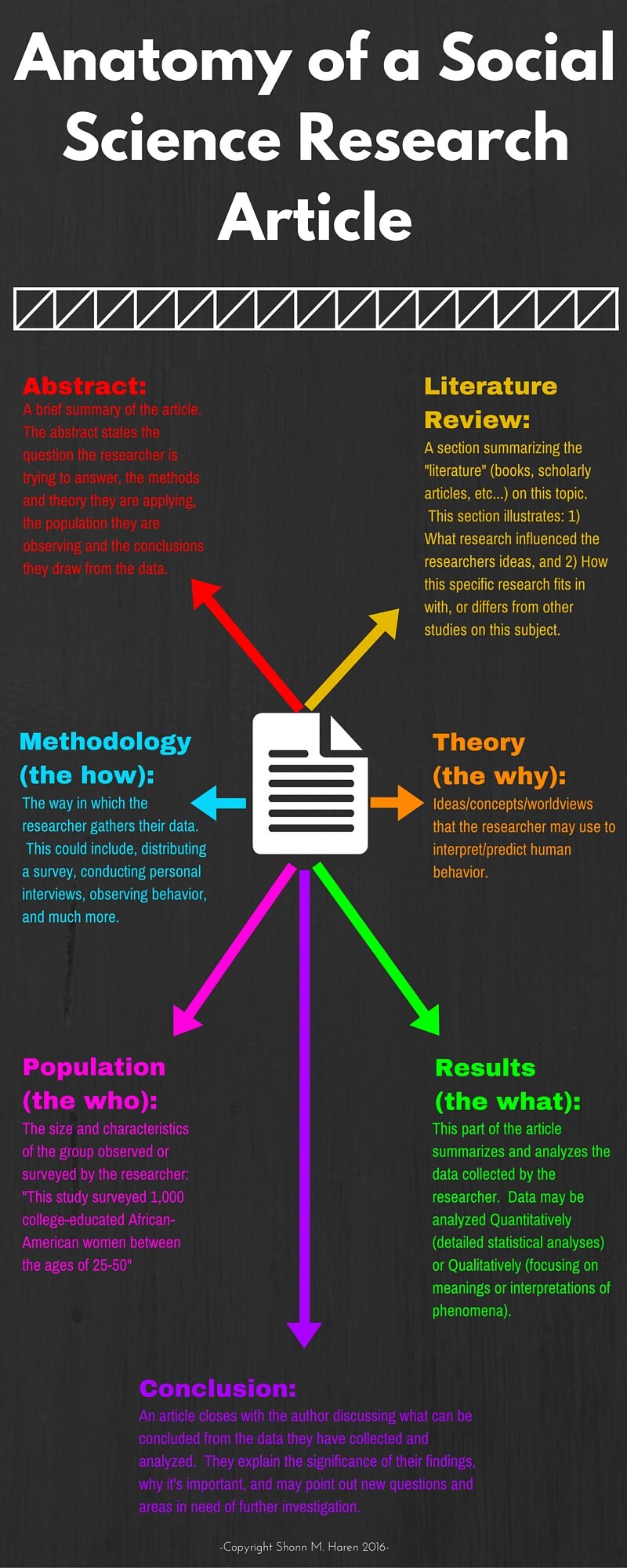
The Anatomy of a Research Paper
Academic papers can feel dense, but they almost always follow a predictable pattern. This structure isn't arbitrary; it’s designed to guide you through the author's research logically and efficiently. Once you understand the template, you can extract the information you need from any paper without getting lost in the details.
Most research papers, especially in quantitative fields like finance, follow the IMRaD format: Introduction, Methodology, Results, and Discussion.
Think of it as a roadmap. Each section answers a specific set of questions, building on the one before it. Let's walk through the standard sections you'll find in a paper on a topic like futures trading.
The Starting Points
Before you even get to the main body, you'll encounter the Abstract. This is your first and most important stop.
Abstract
noun
A short, self-contained summary of the entire paper. It briefly states the problem, the methods used, the key results, and the main conclusion.
The abstract is the ultimate time-saver. It gives you the 30,000-foot view. If a paper analyzes volatility in oil futures, the abstract will tell you why they studied it, how they measured it (e.g., using a GARCH model), what they found (e.g., volatility spikes during OPEC meetings), and what it means (e.g., implications for hedging strategies).
After the abstract, you hit the Introduction. This section sets the stage. It introduces the research question, explains why it's important, and provides the necessary background. The introduction grabs your attention by highlighting a problem or a gap in existing knowledge. It ends by stating the paper's objective and often gives a brief preview of its structure.
The Core of the Research
Once the context is set, the paper dives into the specifics. This begins with the Literature Review. Here, the authors survey existing research on the topic. For a futures trading paper, this might cover past studies on price discovery, market efficiency, or algorithmic trading strategies. The goal is to show what's already known and to position their own research as the next logical step. In many modern papers, the literature review is integrated directly into the introduction rather than being a standalone section.
Next comes the Methodology. This is the technical heart of the paper. It's a detailed explanation of how the research was conducted. It needs to be clear enough for another researcher to replicate the study. Key components include:
- Data Sources: Where did the data come from? (e.g., Tick Data from the CME, daily settlement prices from Bloomberg).
- Sample Period: What timeframe does the data cover? (e.g., January 1, 2010 to December 31, 2020).
- Model: What analytical tools were used? (e.g., Vector Autoregression (VAR) models, machine learning algorithms, event study analysis).
This section is crucial for judging the credibility of the research. A solid, well-explained methodology gives you confidence in the results.
Findings and Final Thoughts
After explaining how they did it, the authors present what they found in the Results section. This is a straightforward, objective report of the data. You'll often see tables showing statistical outputs, charts visualizing trends, and figures illustrating relationships. For instance, a table might show the regression coefficients for a model predicting futures returns, while a chart might plot the volatility of a specific contract over time. The results section presents the facts without interpreting them.
The interpretation happens in the Discussion. Here, the authors answer the question, "So what?" They explain what their results mean in the context of their initial research question. They'll connect their findings back to the literature, highlighting how their work confirms, contradicts, or extends previous studies. This section is also where they acknowledge any limitations of their study. No research is perfect, and a good paper is upfront about its constraints.
Finally, the Conclusion wraps everything up. It provides a concise summary of the paper's main findings and their significance. It reinforces the key takeaway message and might suggest practical implications for traders, analysts, or regulators. It often finishes by pointing toward promising avenues for future research, building a bridge for the next scholar to cross.
What is the primary purpose of an academic paper's Abstract?
In which section would an author interpret their findings and explain what they mean in the context of existing research?
Understanding this structure makes reading academic literature much more manageable. You know where to look for the main argument, the data, and the final takeaway.