Decoding Employment Contracts
Employment Contract Basics
The Employment Agreement
An employment contract is a legally binding agreement that lays out the terms and conditions of a working relationship. Think of it as the official rulebook for the job. Its main purpose is to create clarity and set expectations for both the person being hired and the company doing the hiring. By putting everything in writing, both sides know exactly what they're agreeing to, which helps prevent misunderstandings down the road.
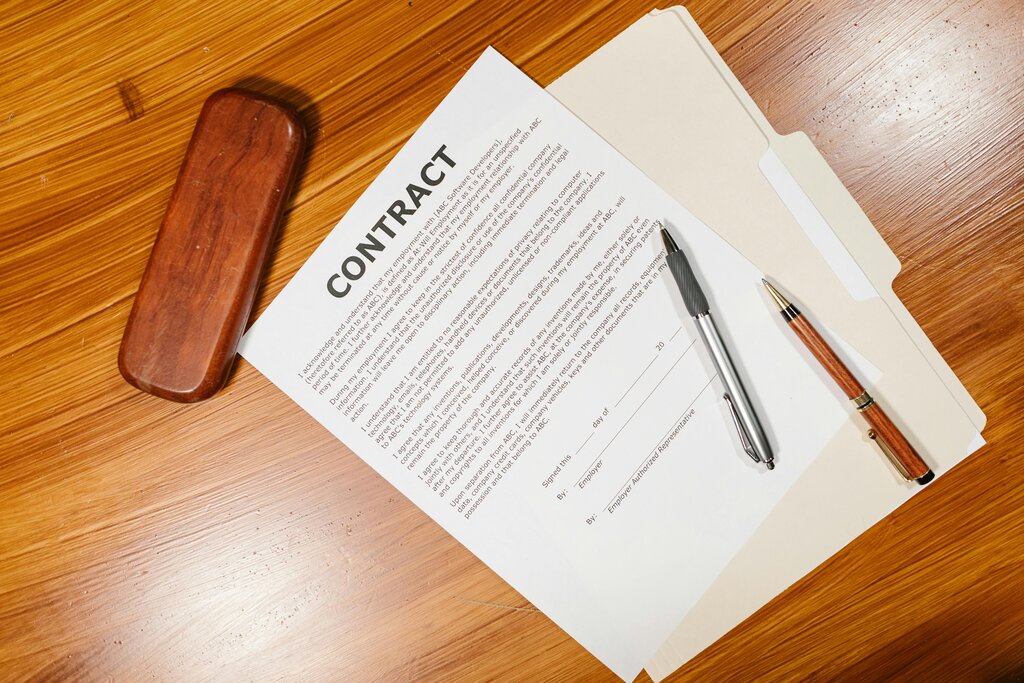
This document isn't just a formality. It’s a foundational tool that defines the entire professional relationship, from day-to-day tasks to what happens if the job ends. It ensures that the exchange of labor for payment is handled fairly and predictably.
The fundamental use of a contract is to explain what each party owes to the other.
Roles and Obligations
A contract is a two-way street, outlining the responsibilities each party has to the other. These obligations form a balanced exchange.
The employer is typically responsible for providing compensation (salary or wages), a safe work environment, and the tools or resources needed to do the job. They also have an obligation to treat employees fairly and in accordance with labor laws.
In return, the employee agrees to perform their job duties to the best of their ability, follow company policies and procedures, and act in the best interest of the employer. This includes things like protecting confidential information and maintaining a professional demeanor.
This mutual understanding is what makes the professional relationship work. Without it, confusion and conflict are much more likely.
Key Elements of a Contract
While contracts can vary, most contain a few core sections that define the most important aspects of the job. These are the non-negotiables you should always look for and understand.
Job Responsibilities: This section describes your role and what you'll be doing. It should be clear and specific. A vague job description can lead to "scope creep," where you end up doing work you never signed up for. A good contract will detail your title, primary duties, and who you report to.
Compensation: This part is straightforward: it's about the money. It should state your salary or hourly wage, how often you'll be paid (e.g., bi-weekly, monthly), and how you'll be paid (e.g., direct deposit). It may also mention potential bonuses, commissions, or stock options, along with the conditions for earning them.
Benefits: Beyond your paycheck, what else does the company offer? This section covers things like health insurance, dental and vision plans, retirement savings plans (like a 401(k)), paid time off (vacation, sick days, holidays), and any other perks.
Termination Clauses: This important section explains how the employment relationship can end. It outlines the conditions under which either you or your employer can terminate the contract. It should specify the required notice period (e.g., two weeks) and explain the difference between quitting, being laid off, and being fired for cause (due to misconduct). This part also details what happens upon termination, like the final paycheck and the return of company property.
Together, these elements form the backbone of your employment agreement. Making sure you understand each one before signing is one of the most important steps you can take in your career.
Ready to check your understanding? This quiz covers the fundamental concepts we've just discussed.
What is the main purpose of an employment contract?
An employment contract is a one-sided document that primarily lists rules for the employee to follow.
Having a solid grasp of these core components is the first step toward navigating your employment terms with confidence.