Decoding Employment Contracts
Employment Contract Basics
What Is an Employment Contract?
An employment contract is a legally binding agreement between an employer and an employee. Think of it as the rulebook for your job. It clearly defines the relationship, setting expectations for both sides from day one.
The main purpose is to spell out the terms of employment so there are no surprises later. It protects you and your employer by creating a shared understanding of the role.
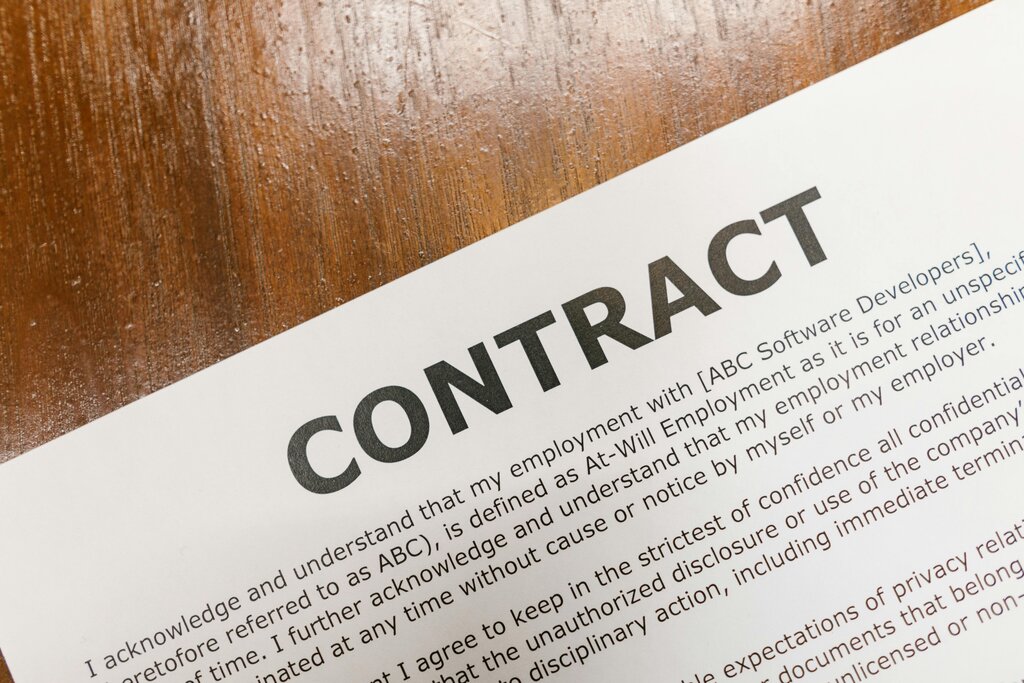
While some jobs operate on a simple verbal agreement, a written contract provides clarity and security. It details everything from what you'll be doing to how you'll be paid, ensuring everyone is on the same page.
Key Parts of a Contract
Most employment contracts are built around a few core sections. Let's break down the most important ones.
Pro Tip: Request a detailed job description—titles, responsibilities, and success metrics—and have it appended to the contract.
Job Description: This section outlines your role and responsibilities. It should clearly state your job title, who you report to, and the primary duties you're expected to perform. A vague job description can lead to confusion, so it’s best when this part is specific.
Compensation: This is all about the money. It will specify your salary or hourly wage, how often you’ll be paid (e.g., bi-weekly, monthly), and details about any potential bonuses, commissions, or stock options.
Benefits: Beyond your salary, this section covers other perks. It typically includes information on health, dental, and vision insurance, retirement plans like a 401(k), paid time off (PTO), sick leave, and any other benefits the company offers.
Termination Clause: This part explains how the job can end. It will detail the circumstances under which either you or your employer can terminate the contract, the required notice period (e.g., two weeks), and whether any severance pay is offered.
Rights and Responsibilities
A contract is a two-way street. It establishes obligations for both the employer and the employee. Understanding these helps ensure a fair and productive working relationship.
| Employer Obligations | Employee Obligations |
|---|---|
| Pay the agreed-upon wage on time. | Perform job duties to the best of their ability. |
| Provide a safe working environment. | Follow company policies and procedures. |
| Comply with federal and state labor laws. | Maintain confidentiality of sensitive information. |
| Provide the stated benefits. | Act in the best interest of the employer. |
These duties form the foundation of trust and professionalism in the workplace. Failing to meet these obligations can be considered a breach of contract.
Understanding the Fine Print
Contracts often contain legal terms that might be unfamiliar. Knowing what they mean is crucial before you sign.
At-will employment
noun
A common arrangement in the U.S. where an employer can terminate an employee for any reason (that isn't illegal), without having to establish 'just cause'. The employee can also quit at any time for any reason.
Another common term is the probationary period.
Probationary Period
noun
An initial timeframe (often 90 days) during which a new employee is evaluated to see if they are a good fit for the job. During this time, termination conditions might be different.
Finally, you will almost always see a confidentiality clause.
Confidentiality
noun
An agreement that the employee will not disclose the employer's private information (like trade secrets, client lists, or financial data) to outside parties.
Now, let's review the key terms we've covered.
Ready to test your knowledge? Let's see what you've learned about employment contracts.
What is the primary purpose of an employment contract?
If you want to find information about your company's 401(k) plan, which section of the contract would be the most relevant?
Reading and understanding your employment contract is a critical step in starting any new job. It empowers you by clarifying your role, rights, and what's expected of you.